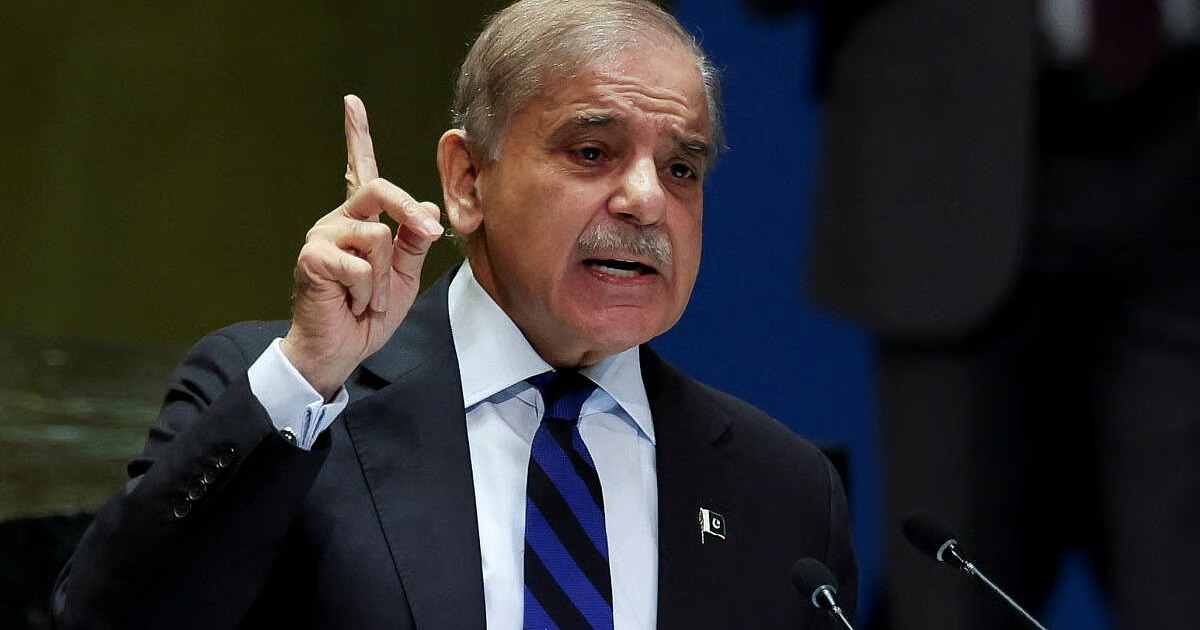
Trump Calls Afghanistan Withdrawal ‘Catastrophic,’ Criticizes Bagram Base Loss

Trump calls Afghanistan withdrawal catastrophic, claiming Bagram Air Base would have been key to countering China. [Image via Tolo News]

US President Donald Trump has described the withdrawal from Afghanistan as catastrophic and the most disgraceful day in US history.

In his latest remarks to Congress, he stated that if he had been president at the time of the withdrawal, he would never have abandoned Bagram Air Base.

Trump said: “Afghanistan disaster would have never happened—the most embarrassing moment in the history of our country—not leaving, I was going to leave. I’m the one that got him to a point where they could leave.”

According to Trump, Bagram Air Base, one of the world’s largest military bases, is significant to the US because of its proximity to China’s nuclear weapons manufacturing facilities.

He added: “I was going to keep it. Not for Afghanistan, because it’s one hour away from where China makes its nuclear weapons. Wouldn’t it be nice to have it? You know who occupies it now? China occupies it now.”

Also See: Ishaq Dar, Marco Rubio Discuss U.S. Arms Left in Afghanistan

Although the interim government has not responded to this issue, previously the Islamic Emirate’s spokesperson denied reports that China was managing the Bagram base and called Trump’s remarks imaginary.

“Trump’s comments and actions suggest he seeks to reclaim Bagram; however, this should not be done by force or coercion, as it is unlikely and could create problems for him,” said Aziz Maarej, former diplomat.

With the potential return of Donald Trump to power, Kabul-Washington relations are expected to change.
The suspension and cutting of US aid to Afghanistan, the visit of the US delegation to Kabul, and the release of three American citizens by the Islamic Emirate are among the most significant developments in the two countries’ relations over the past three months.

This news is sourced from Tolo News and is intended for informational purposes only.

News Desk

Your trusted source for insightful journalism. Stay informed with our compelling coverage of global affairs, business, technology, and more.
Recent

The Afghan Crucible

The Afghan Crucible

Recent reporting underscores Afghanistan’s transformation into a strategic hub for transnational jihadist networks. Far from being a localized security problem, the Afghan landscape now functions as an ideological, logistical, and digital anchor linking extremist affiliates across Africa, Southeast Asia, and beyond, signaling the collapse of regional containment and the rise of a globalized threat architecture.

Read More »
Economic Statecraft and the New Geography of Power in Regional Politics

Economic Statecraft and the New Geography of Power in Regional Politics

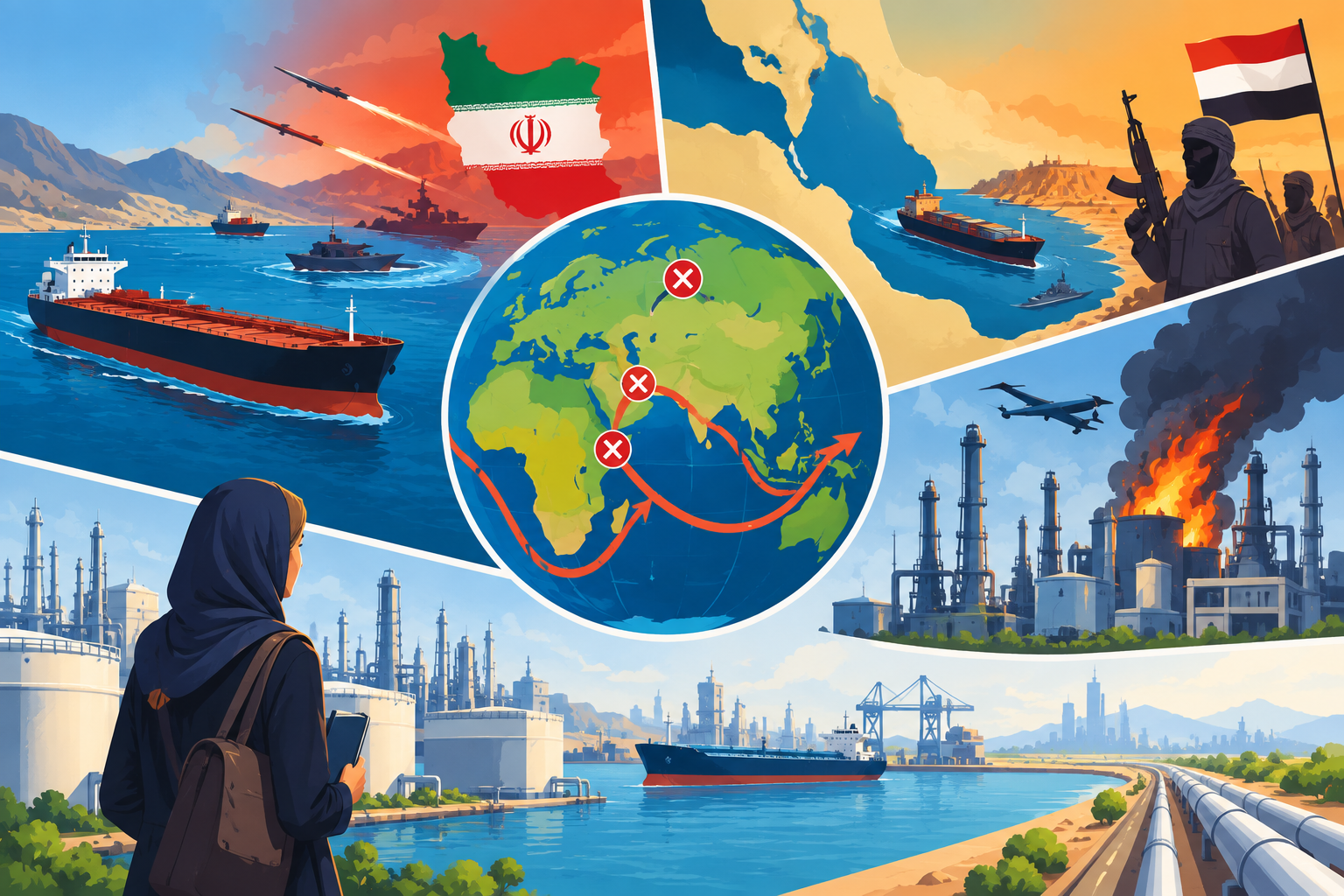
Strategic competition has moved beyond decisive wars toward a subtler synthesis of economic leverage, proxy networks, and calibrated force. Infrastructure, finance, and trade routes now function as instruments of power, quietly reshaping regional orders while preserving the façade of restraint. In this environment, security is no longer confined to the battlefield but embedded in supply chains, data networks, and development choices, forcing states to rethink deterrence, sovereignty, and resilience.

Read More »
The Manufacturing of a False Equivalence

The Manufacturing of a False Equivalence

As scrutiny mounts over the Taliban’s tolerance of TTP sanctuaries, Kabul has attempted to deflect blame by alleging that ISIS-K operates from Pakistan. This false equivalence ignores the historical origins of ISIS-K in eastern Afghanistan, its sustained campaign of violence against Pakistan, and verified intelligence showing that the group’s operational depth remains rooted inside Afghan territory.

Read More »
Healthcare as Statecraft in Taliban-Ruled Afghanistan

Healthcare as Statecraft in Taliban-Ruled Afghanistan

Afghanistan’s recent shift away from Pakistani pharmaceutical imports toward Indian suppliers marks a dangerous transformation of healthcare into a tool of geopolitical signaling. Framed as regulatory reform, this pivot reflects a broader biopolitical strategy in which access to medicine is subordinated to diplomatic recalibration, with profound ethical and humanitarian consequences for an already vulnerable population.

Read More »
The Taliban Regime and the 2025 Global CFT Framework

The Taliban Regime and the 2025 Global CFT Framework

Despite consolidating internal control and boosting revenues, the Taliban remain structurally incompatible with the 2025 global Counter-Terrorism Financing regime, as sanctions, militant linkages, and gender persecution block financial reintegration.

Read More »