Drones Fuel Illicit Trafficking Activities Along India-Pak Border

BSF intercepts 286 drones in 2024, curbing illicit trafficking activities of heroin, arms, and explosives along India-Pakistan border. [Image via Hindustan Times]

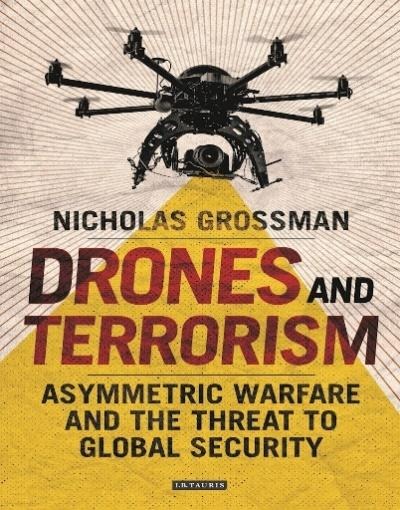
In a significant crackdown on cross-border smuggling, the Border Security Force (BSF) thwarted numerous large-scale operations along the India-Pakistan border in 2024. These operations involved the use of drones for illicit trafficking activities. Punjab’s Ferozepur and Tarn Taran districts emerged as key hotspots for these activities.

The Ferozepur sector, including Ferozepur and Tarn Taran districts, alone accounted for 87 of the 286 drones intercepted along the border this year, highlighting the increasing use of drones in illicit trafficking activities.

The increasing use of drones for trafficking heroin, arms, and ammunition has posed significant challenges for the BSF, despite enhanced counter-drone measures.

According to the BSF Punjab frontier, 2024 saw the seizure of 70.99 kg of heroin, nine firearms with 158 rounds of ammunition, 87 drones, and the apprehension of nine Indian and eight Pakistani nationals in the Ferozepur sector alone.

A security official, speaking on condition of anonymity, said that the BSF had significant successes in intercepting drones. Despite this, some drones managed to return undetected after delivering contraband.

“Smugglers trafficked most of the seized narcotics and arms in Punjab via drones. They also smuggled explosives for recent attacks on police stations in the state through this method. Damaged drones found in fields suggest that smugglers often retrieved their payloads before the BSF intervened,” he said.

“GPS analysis of intercepted drones has pointed to the involvement of Pakistan-based agencies, further emphasising the critical need for advanced technical countermeasures. The force has called for heightened troop alertness and continued technological upgrades to effectively combat these cross-border intrusions,” he added.
Also See: Militants attack Imphal West in India, Villagers Forced to Flee

BSF uplifts border communities

Beyond its security role, the BSF has uplifted border communities through its Civic Action Program (CAP). In November 2024, the force conducted a 491km cycle rally to raise awareness about drug abuse among youth. The BSF has distributed teaching materials to children in remote areas and organised 23 medical camps in Hazara and Babha Haji villages, offering healthcare and vaccinations. The force also organised cultural activities and sports events to foster trust and strengthen ties with border residents.

This news is sourced from Hindustan Times and is intended for informational purposes only.

Bulletin

Bulletin

Your trusted source for insightful journalism. Stay informed with our compelling coverage of global affairs, business, technology, and more.

Recent

Pakistan completes repayment of $3.45 billion to UAE

The End of Patient Capital: How Pakistan’s Balance Sheet Became a Battlefield

The April 2026 fluctuations in Pakistan’s foreign reserves mark the definitive end of “patient capital” in Gulf diplomacy. As the UAE withdrew $3.45 billion and Saudi Arabia countered with a multi-year extension, the sovereign deposit was transformed from a neutral financial tool into a binary political referendum. Pakistan’s balance sheet now serves as a live map of regional realignment, proving that in the new Middle East, strategic neutrality carries a precise fiscal value.
Read More »
Durand Line – A Binding International Border

The Myth of the Disputed Line: Why Afghan Pragmatism is Finally Overturning Populist Rhetoric

A transformative shift is emerging in Afghan political discourse as leaders like Mohammad Tahir Zuhair and the National Resistance Front (NRF) move toward formal recognition of the Durand Line. By prioritizing “historical realism” over populist rhetoric, these voices suggest that nearly 80% of Afghans seek peace and trade over territorial disputes. This shift offers a rare opportunity to transition Pak-Afghan relations from decades of suspicion to a strategic partnership rooted in internationally recognized boundaries. A transformative shift is emerging in Afghan political discourse as leaders like Mohammad Tahir Zuhair and the National Resistance Front (NRF) move toward formal recognition of the Durand Line. By prioritizing “historical realism” over populist rhetoric, these voices suggest that nearly 80% of Afghans seek peace and trade over territorial disputes. This shift offers a rare opportunity to transition Pak-Afghan relations from decades of suspicion to a strategic partnership rooted in internationally recognized boundaries.

Read More »