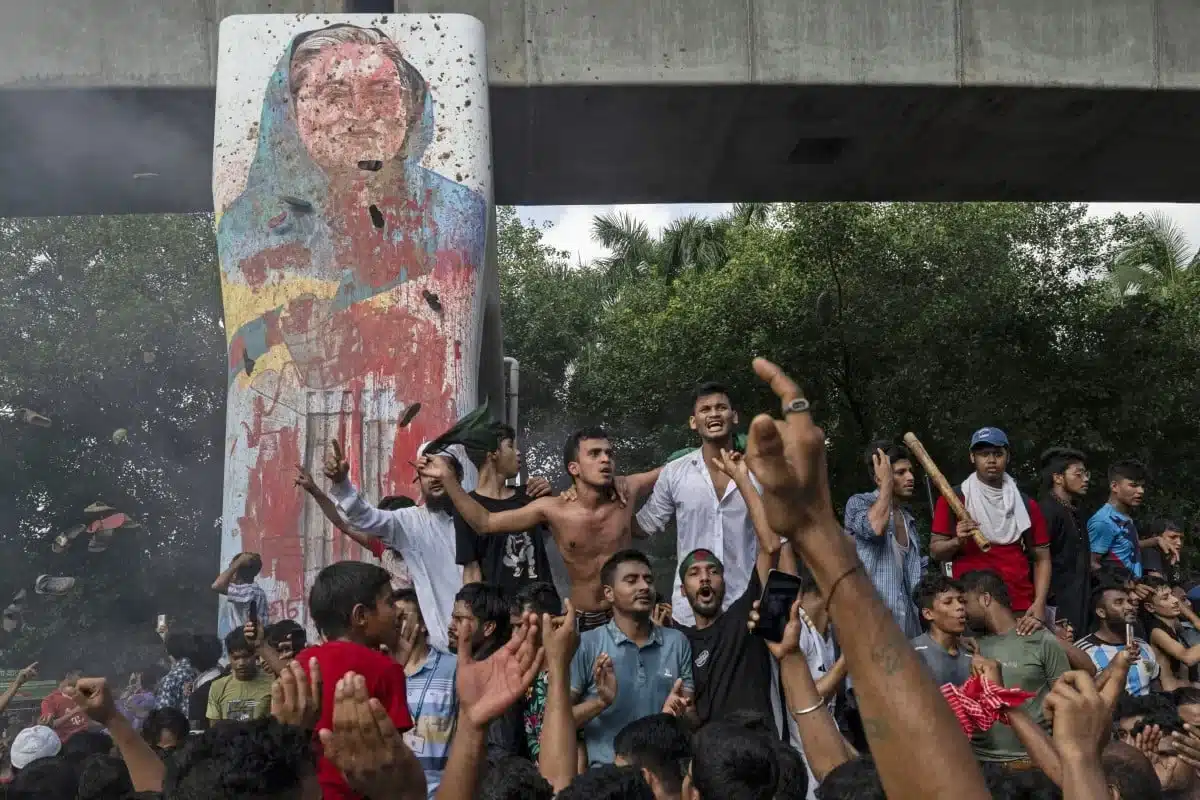
The chief prosecutor of Bangladesh’s International Crimes Tribunal (ICT), Mohammad Tajul Islam, has announced that the tribunal will seek the extradition of former Prime Minister Sheikh Hasina from neighboring India. This move comes amidst mounting allegations against Hasina. Specifically, the allegations follow a dramatic escalation of student-led protests in Bangladesh. Consequently, these protests led to Hasina’s resignation and her subsequent flight to India on August 5. As a result, her departure ended a 15-year period of authoritarian rule and marked a significant shift in the country’s political landscape.
Hasina established the ICT in 2010 to investigate war crimes committed during the 1971 independence war against Pakistan. However, the tribunal’s focus has now shifted to addressing the allegations against Hasina herself. The ICT accuses Hasina of severe human rights violations, including orchestrating massacres, mass detentions, and extrajudicial killings of political opponents. The allegations against Hasina have gained traction. This increase in attention followed weeks of widespread demonstrations. The protests ultimately challenged her regime. They also exposed the scale of the alleged abuses.
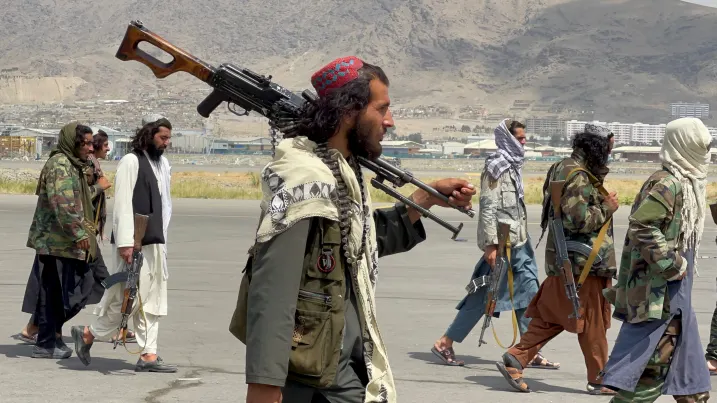
Also See: Clashes Erupt Between Pakistani Forces and Afghan Taliban
Tribunal Escalates Extradition Efforts for Hasina
Islam underscored the tribunal’s resolve to seek justice for these human rights abuses. Islam said in a statement to reporters on Sunday, “As the main perpetrator has fled the country, we will start the legal procedure to bring her back.” The legal efforts to extradite Hasina will mark a significant escalation. These efforts are part of the tribunal’s ongoing attempts to address and rectify the human rights abuses attributed to her administration.
The pursuit of Hasina by the ICT adds a complex layer to the political and legal challenges faced by both Bangladesh and India. Hasina’s departure has intensified domestic controversies. It has also attracted international scrutiny. The tribunal’s actions highlight growing concern over the allegations against Hasina. They underscore broader issues of accountability and justice in Bangladesh. Observers expect the legal process to extradite Hasina to be contentious. They anticipate it will be closely watched on the global stage. This situation reflects how political conflicts profoundly impact human rights and international relations.
This news story is produced with inputs from AFP (Agence France-Presse). The content reflects the latest available information and is provided for informational purposes.

Your trusted source for insightful journalism. Stay informed with our compelling coverage of global affairs, business, technology, and more.

![Indian Christian community faces rising violence while Modi congratulates new Jacobite Catholicos in Lebanon. Rights groups sound alarm. [Image via Reuters]](https://southasiatimes.org/wp-content/uploads/2025/03/deccanherald_2025-02-12_8gxoemcr_file7zbn3w0b8kj1egk2eks4.webp)