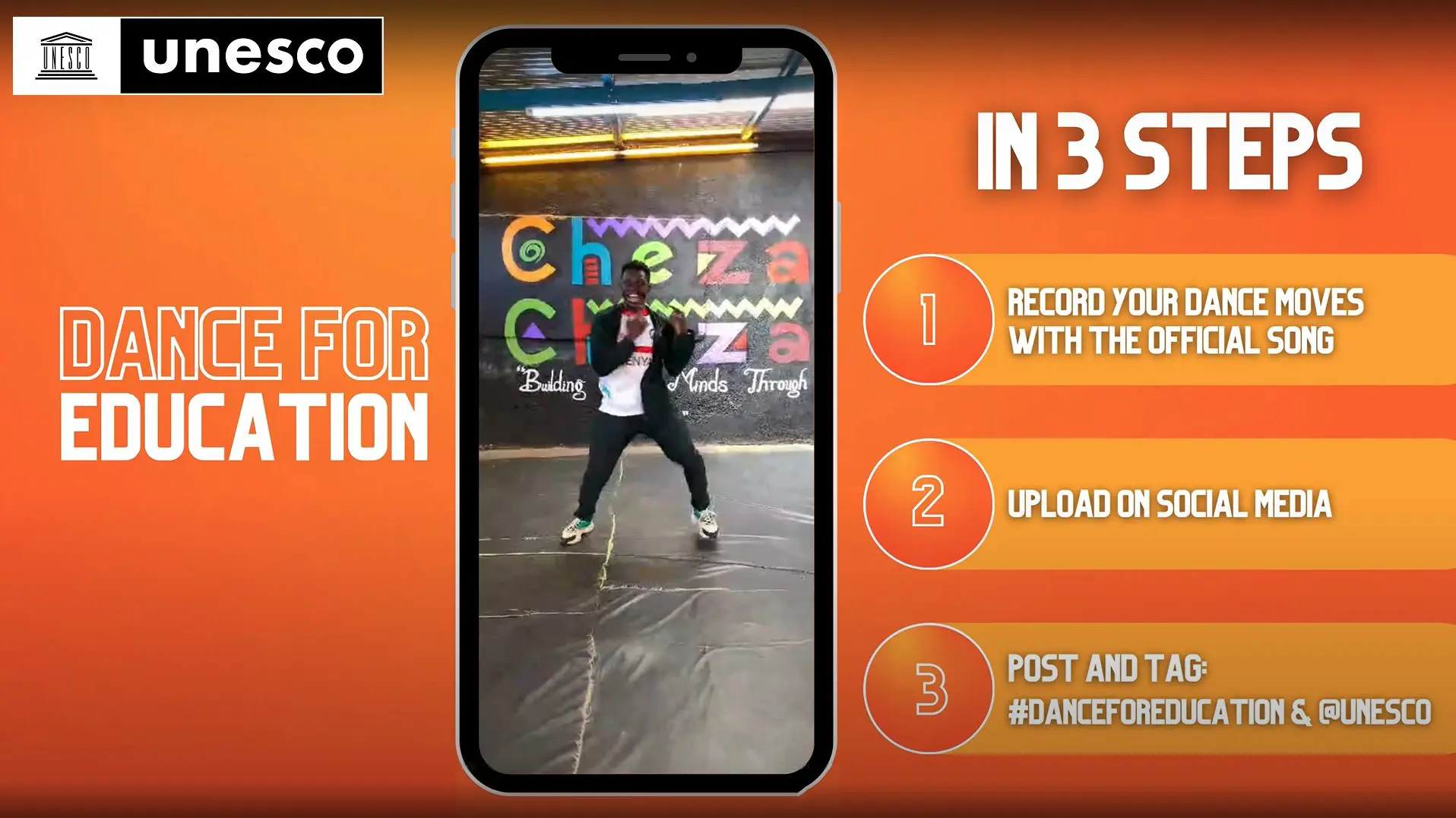
In recent times, Pakistan has found itself embroiled in a controversy surrounding the Ministry of Federal Education and Professional Training’s endorsement of the United Nations Educational, Scientific and Cultural Organization (UNESCO)’s Dance for Education campaign. While the initiative purportedly aims to highlight education’s transformative power, it has sparked concerns about its impact on Pakistan’s cultural and national identity.
Drawing parallels from Bangladesh’s historical instance with Chhayanaut, it becomes apparent how cultural movements can inadvertently become political tools, shaping the course of a nation’s identity and politics.
Founded during Ayub Khan’s era, Chhayanaut, under the leadership of prominent figures such as Begum Sufia Kamal and Shahid Sayidul Hasan, played a pivotal role in the cultural landscape of East Pakistan. By commemorating Rabindranath Tagore’s centenary as a national festival, Chhayanaut ignited the flames of Bengali nationalism, which eventually led to the emergence of Bangladesh as an independent nation and the ascent of Sheikh Mujib ur Rahman. The organization’s emphasis on cultural identity and linguistic pride resonated deeply with the masses, galvanizing support for the cause of self-determination.

Similarly, UNESCO’s initiative, endorsed by the Pakistan government through the issuance of a notification to schools in Islamabad, has stirred controversy and drawn widespread criticism on social media platforms, potentially serving as a conduit for the politics of nationalism.
By promoting dance as a tool for education, the government inadvertently opens doors for external influences to shape Pakistan’s cultural landscape, potentially undermining its traditional values and fostering internal discord. This also raises concerns about its potential to influence Pakistan’s cultural landscape. Such Western-centric ideals of creativity and expression may also inadvertently marginalize indigenous forms of art and perpetuate a sense of cultural alienation among Pakistanis.
Moreover, the government’s collaboration with UNESCO raises questions about the alignment of national interests with international agendas. In the wake of Bangladesh’s historical example, where cultural movements catalyzed political upheaval – The echoes of Chhayanaut’s impact should serve as a cautionary tale for Pakistan. The organization’s efforts to reclaim Bengali culture and identity resonated deeply with the masses, leading to significant political ramifications. In light of this, endorsing initiatives like Dance for Education could unwittingly accelerate the polarization of Pakistani society, exacerbating existing tensions fueled by ethno-religious and sectarian divides.
Moreover, the push for dance education also raises questions about its compatibility with Pakistan’s religious and cultural norms. In a society where traditional values hold significant sway, promoting activities that contradict these norms risks alienating segments of the population and further exacerbating social divisions.
At a time when Pakistan’s society is already grappling with internal strife, the government’s endorsement of the Dance for Education campaign seems out of touch with the pressing issues facing the nation. Rather than focusing on symbolic gestures, the government should prioritize substantive measures to address Pakistan’s educational challenges, such as improving access to quality education and addressing infrastructure deficiencies.
According to the Pakistan Education Statistics Report, as of January 2024, 26.2 million children in Pakistan are out of school, which is the second highest number in the world, after Nigeria. This number includes 11.73 million in Punjab, 7.63 million in Sindh, 3.63 million in Khyber Pakhtunkhwa (KP), and 3.13 million in Balochistan. This glaring disparity in educational access threatens the very fabric of Pakistan’s future, impacting not only its cultural identity but also its national security.
Furthermore, the promotion of dance as a form of education fails to address the root causes of educational inequity and inequality in Pakistan. While the campaign may offer a fleeting sense of creativity and expression, it does little to address the systemic barriers that hinder educational access and quality for millions of Pakistani children. The inability to provide quality education to all children not only threatens Pakistan’s social cohesion but also poses a significant national security risk.
Critics argue that initiatives like Dance for Education divert attention and resources away from more pressing educational needs, such as teacher training, curriculum development, and infrastructure improvements. By prioritizing symbolic gestures over substantive reforms, the government risks perpetuating a cycle of underdevelopment and marginalization within the education system.
Additionally, the campaign’s reliance on external influences, such as UNESCO, raises concerns about sovereignty and national autonomy. By aligning with international organizations, the government risks ceding control over its educational agenda, potentially undermining Pakistan’s ability to tailor its education system to its unique cultural and societal needs.
In conclusion, the Dance for Education campaign represents more than just a call for artistic expression; it is a reflection of broader geopolitical dynamics that have the potential to shape Pakistan’s cultural and national identity. By drawing lessons from Bangladesh’s history and acknowledging the power of cultural movements in influencing political discourse, Pakistan must tread carefully to safeguard its heritage and sovereignty in the face of external influences. The government must prioritize substantive measures that address the root causes of educational inequity and inequality, rather than relying on superficial campaigns that do little to address the pressing educational needs of the nation.
As the saying goes, “Those who do not learn from history are doomed to repeat it.” Pakistan must heed the lessons of the past and must tread cautiously, lest it repeats the mistakes of history, where cultural movements inadvertently became political tools, shaping the nation’s trajectory in unexpected ways.

Your go-to editorial hub for policy perspectives and informed analysis on pressing regional and global issues.