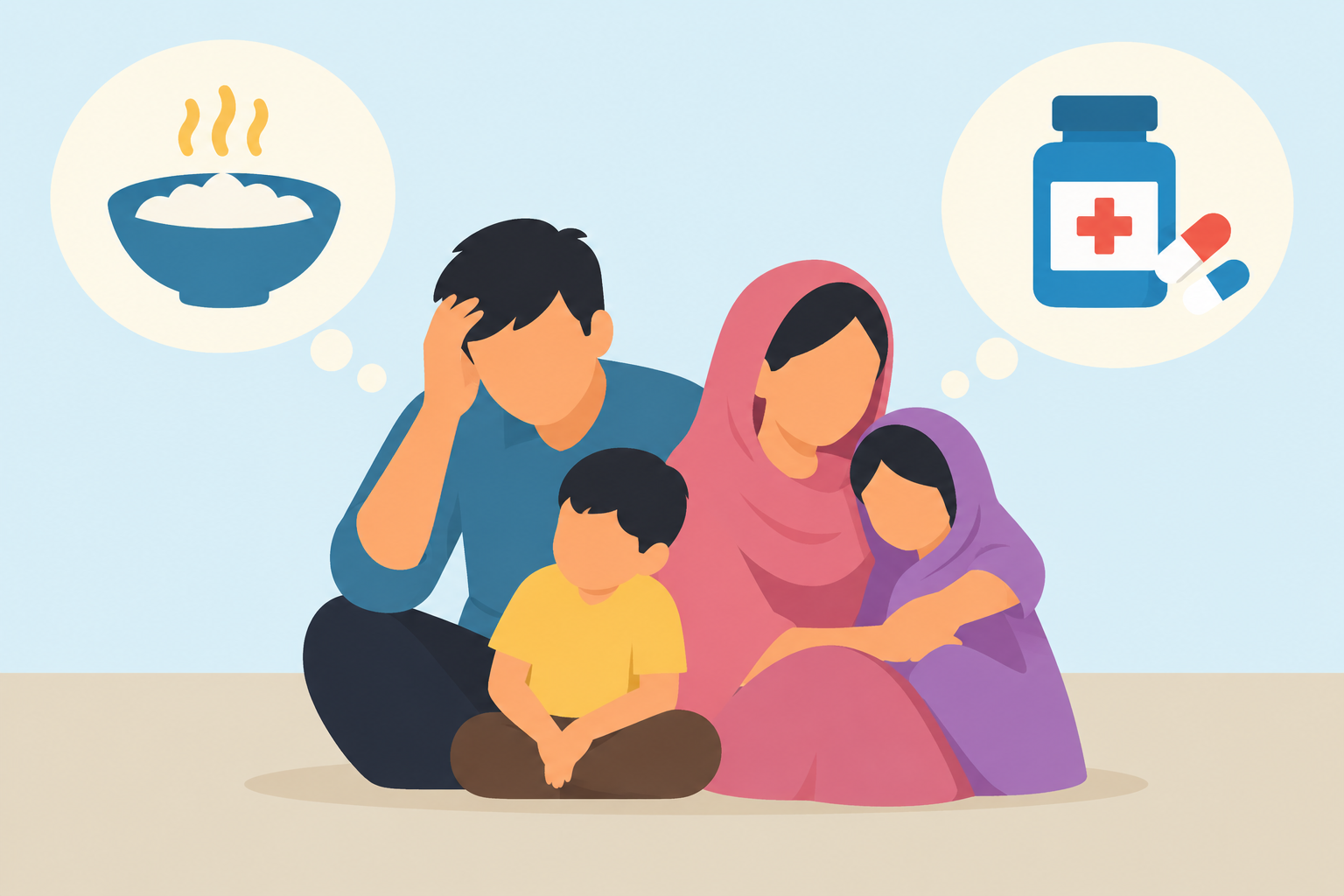
In the vast expanse of global conflict zones, where the tumult of war echoes across continents, the stories of women emerge as powerful testaments to resilience amidst chaos.
As we commemorate International Women’s Day under the theme “Invest in Women: Accelerate Progress,” these narratives take on even greater significance, underscoring the urgent need to recognize the pivotal role of women in building peaceful and resilient societies.
The stories of the Women in Conflict Zones, often overshadowed by the grand stage of geopolitical strife, speak volumes of strength and determination.
Zooming into the tumult of South Asia, where the scars of conflict run deep, the experiences of women paint a vivid picture of survival in the face of adversity. Here, amidst the diverse tapestry of cultures and landscapes, lies a region that has borne the brunt of warfare for decades.
Also Read: International Women’s Day and Local Realities of Women in Pakistan
Think of Afghanistan, a land where generations have known nothing but the harsh realities of war. Here, women have been through the treacherous terrain of conflict with persistent courage and resilience. From the remote mountain villages to the bustling streets of Kabul, their stories are of endurance amidst unimaginable hardship.
Also Read: Women\’s Education Weaponized in Afghanistan
Getting deeper into the heartland of South Asia, the stories of women become even more pronounced.
On one side, we encounter the bustling cities of Pakistan, Bangladesh, and India, beyond the active conflict zones, where the cacophony of urban life often masks the silent struggles of women who bear the brunt of societal upheaval and domestic turmoil.
On the other side, in Kashmir, a region marred by decades of conflict, political turmoil, and Indian occupation, women emerge as the unsung heroes, standing at the forefront of struggle and resilience. Despite the heavy militarization and pervasive violence inflicted by Indian forces, Kashmiri women defy the odds with remarkable courage and determination.
Imagine the life of a Kashmiri woman, waking up each day to the harsh realities of occupation and conflict.
From the rural villages nestled amidst the majestic Himalayas to the bustling cities where tension hangs heavy in the air, Kashmiri woman plays multifaceted roles as caregiver, activist, breadwinner, and community leader. She is the backbone of families torn apart by violence, the voice of dissent in the face of injustice, and the symbol of hope in the midst of darkness.
For her, International Women’s Day isn’t marked by joyous celebrations but by a solemn acknowledgment of the struggles she faces. It’s a day where her resilience shines brighter than any beacon of hope, amidst the darkness of oppression.
In Kashmir, the plight of women is not a footnote in the annals of history but a harsh reality etched in the fabric of everyday life. From the horrors of rape and disappearances to the anguish of being half-widows, their existence is a testament to the enduring spirit of survival. Reports from various human rights organizations paint a stark picture of the atrocities inflicted upon Kashmiri women—disappearances, rape, family separation, displacement, and victimization—all perpetrated in the name of conflict and occupation. Their stories, often overlooked in the broader discourse of conflict, bear witness to a resilience that transcends the boundaries of fear and despair.
Also Read: Indian Brutalities: The Women of Kashmir
Similarly, in Palestine, the story of women is one of unfathomable hardship amidst the chaos of war and displacement.
As the conflict rages on, Palestinian women find themselves mourning the loss of loved ones, enduring displacement, and fighting for the most basic human rights—often in full view of the world’s indifference.
The numbers tell a grim tale: more than 600 million women and girls living in conflict-affected countries, a 50% increase since 2017. Yet, amidst this staggering statistic, the international community’s response remains inadequate. Instead of prioritizing humanitarian aid to alleviate the suffering of these women, countries continue to pour billions into military spending, exacerbating the cycle of violence and displacement.
As we commemorate International Women’s Day in 2024, the theme “Invest in Women: Accelerate Progress” resonates more profoundly than ever before.
It’s a call to action for the global community to recognize the pivotal role of women in building peaceful societies and to invest in initiatives that empower them economically, socially, and politically.
The 68th Session of the Commission on the Status of Women presents a crucial opportunity to galvanize collective efforts towards gender equality and peacebuilding. UNESCO’s side event, “Eliminating Poverty: Structural Interventions through Education, Culture, and Sciences,” underscores the interconnectedness of gender equality and sustainable development. By prioritizing education, empowering women in science and technology, reshaping social norms, and bridging the digital gender divide, we can pave the way for a more inclusive and equitable future.
But our commitment to women’s rights must extend beyond rhetoric and token gestures. It requires concrete action—holding perpetrators of violence and human rights abuses accountable, ensuring access to essential services and resources for women in conflict zones, and amplifying their voices in peacebuilding processes.
On this International Women’s Day, as we honor the resilience and strength of women in conflict zones, let us not merely pay lip service to their struggles but reaffirm our unwavering commitment to their rights, dignity, and well-being.
From the verdant valleys of Kashmir to the embattled streets of Palestine and beyond, every woman deserves to live with freedom, dignity, and peace.
In the narratives of these courageous women, both on a global scale and within our local communities, we find the true essence of resilience amidst adversity. Their stories inspire us to stand in solidarity and take concrete action to support their journey towards peace and justice.
As we celebrate the remarkable courage and fortitude of women in conflict zones this International Women’s Day, let us pledge to be agents of change. Let us not only honor their strength and courage but also commit ourselves to amplifying their voices, advocating for their rights, and working tirelessly to create a world where every woman can thrive, regardless of the challenges she faces. This is not just a celebration; it’s a call to action—a call to stand with women in South Asia and beyond as they strive for a brighter, more peaceful future.

Your go-to editorial hub for policy perspectives and informed analysis on pressing regional and global issues.