
Surrender In Dhaka: The Eastern Front
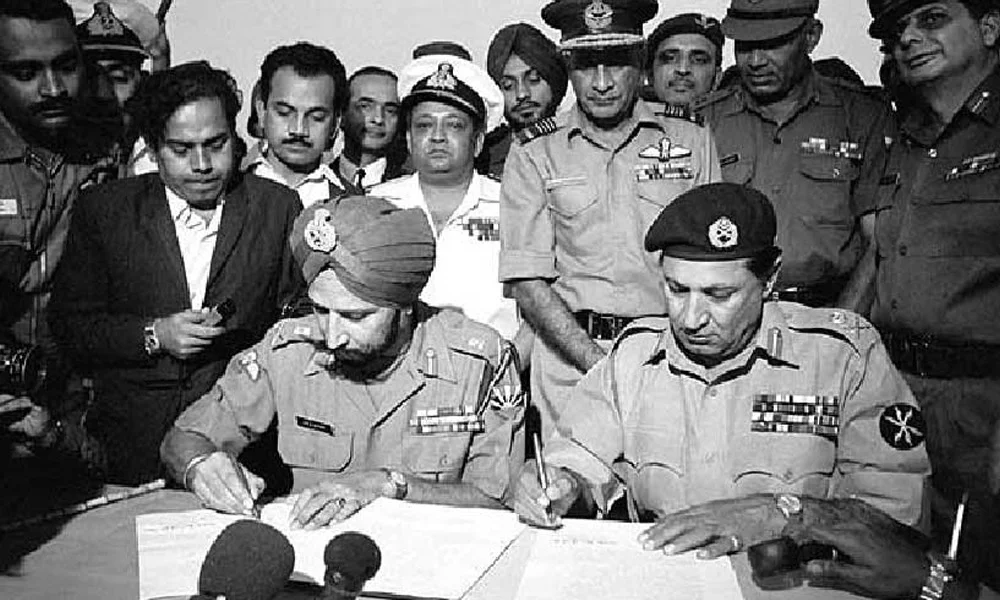
Soon after the start of the civil war in East Pakistan in March 1971, Indira Gandhi consulted her army chief, Gen. Manekshaw, about a military campaign in East Pakistan. Manekshaw stated that the Indian army was not prepared for an offensive operation in East Pakistan or for the inevitable Pakistani military counterthrust in West Pakistan […]
Myths and Realities: The “Genocide” in East Pakistan
Obviously, the figures of 3 million killed and 2 lakh raped in the “Genocide” in East Pakistan are rumors.
But why was this rumor circulated? Why has the Awami League made it an article of faith? Why does the Indian government propagate this lie incessantly all over the world?
Military Operation, Civil War, and Indian Meddling
The conventional narrative about Operation Searchlight goes like this: The mighty Pakistan Army started smashing the hapless Bengalis, who never stood a chance. This is pure fiction.
Post-Elections: The Three-Way Struggle for Power
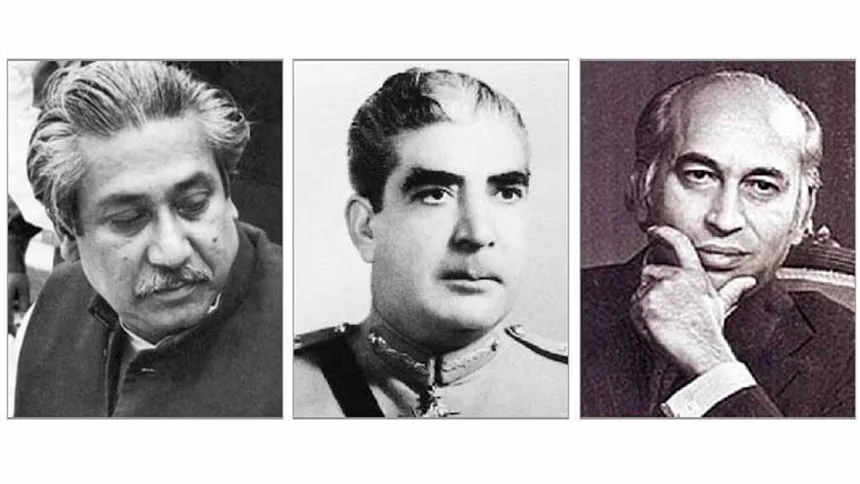
Mujib had won an outright majority (160/300) in the elections, but he was still insecure and apprehensive. He feared that the military would somehow conspire to keep him out of power.
LFO, Floods, and the Fateful Election of 1970
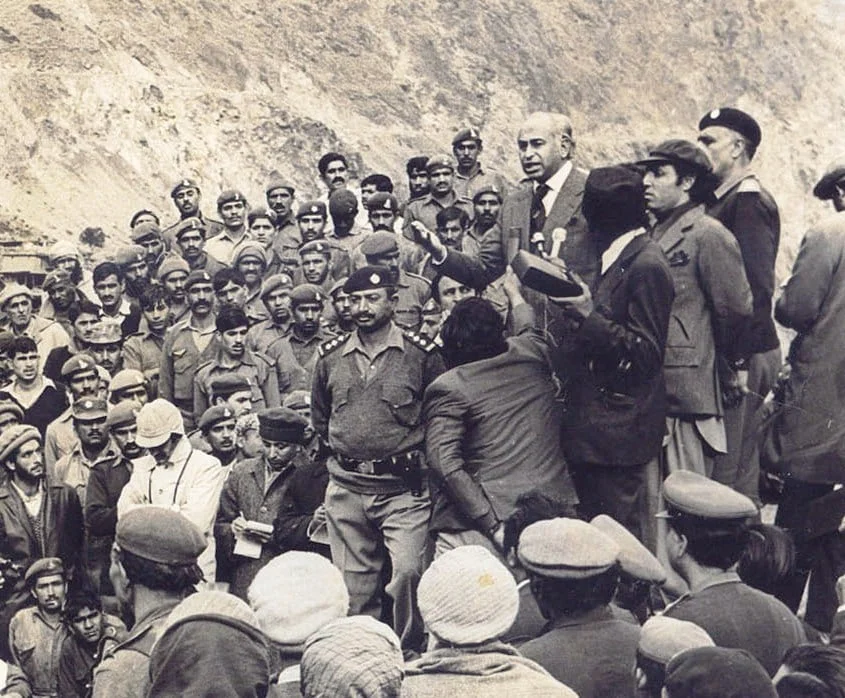
Sheikh Mujib wanted to contest the election on the issue of provincial autonomy (six points). Had significant provincial autonomy been conceded (as advocated by other East Pakistan leaders), it would have taken the central plank out of Mujib’s election campaign.
The Issue of Disparity between East and West Pakistan
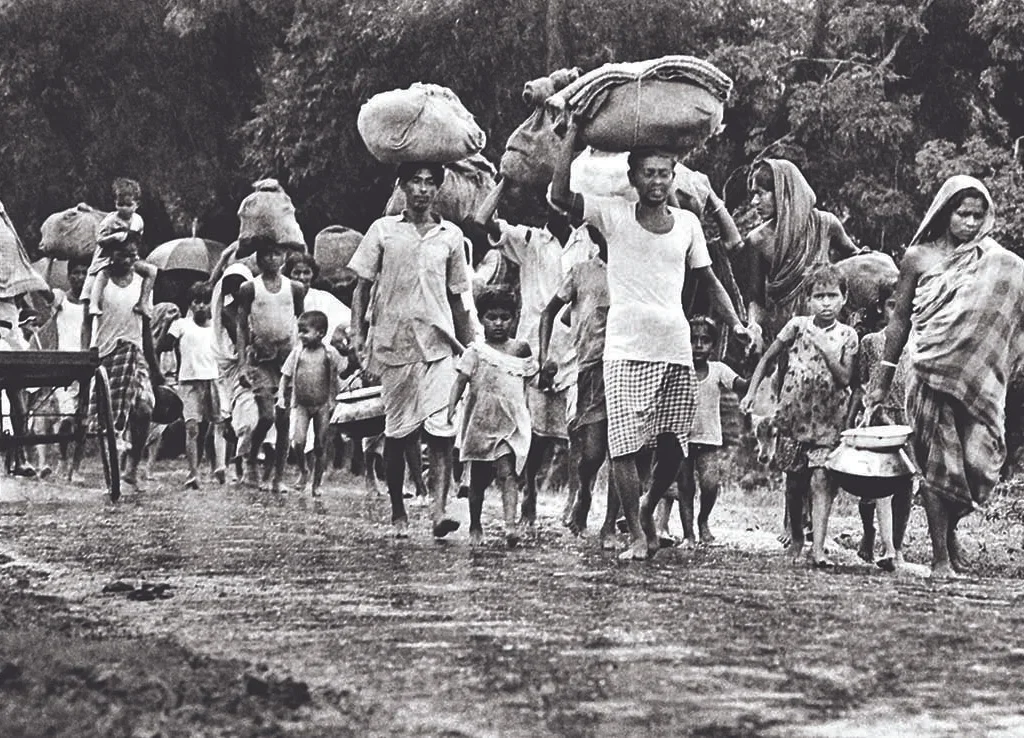
Barely a year after the birth of Pakistan, the issue of inter-wing disparity became a popular talking point among opposition politicians in East Pakistan.
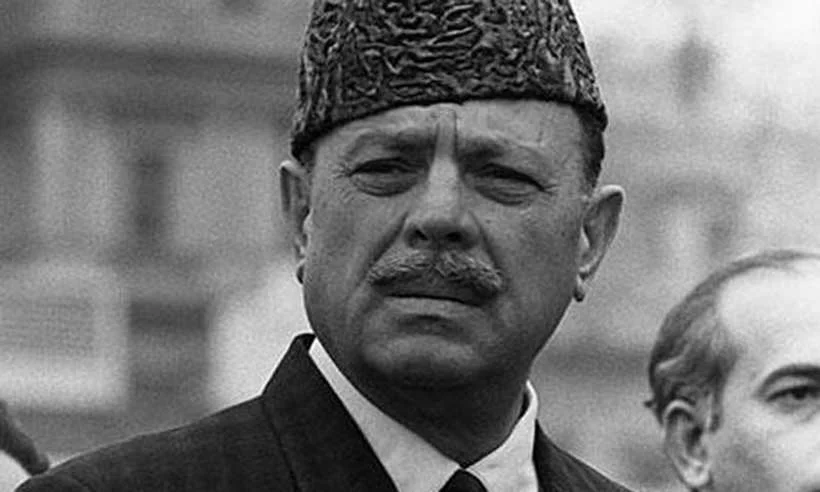
Ayub Khan’s Ouster by the Yahya-Mujib-Bhutto Trio
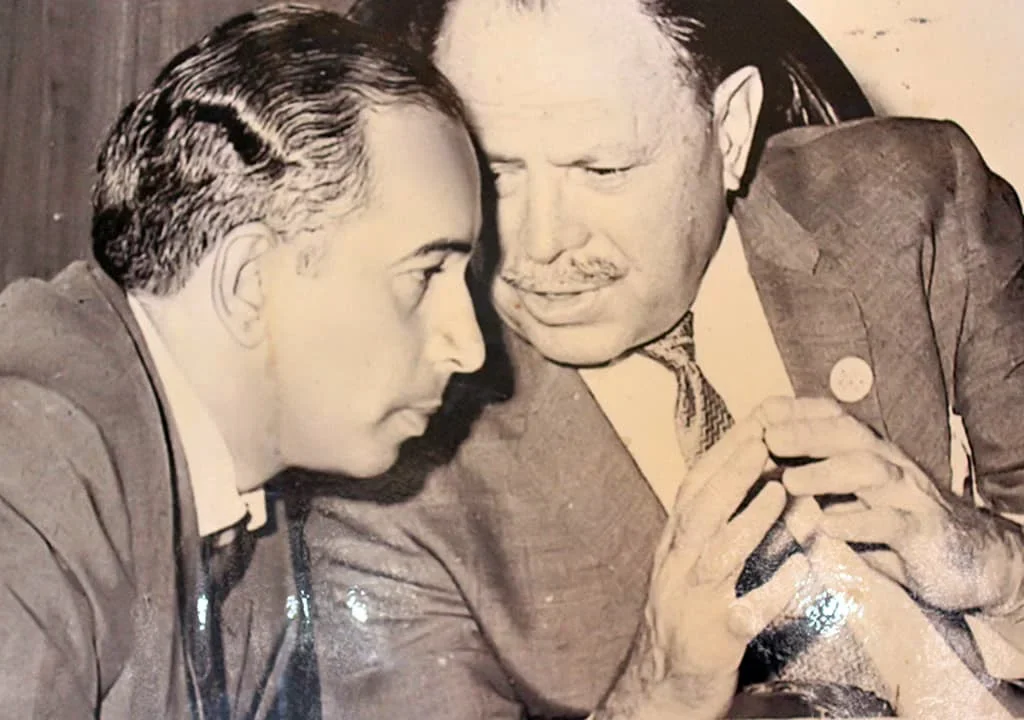
Bhutto had called Ayub Khan “daddy” at one point in his life, and Ayub had engineered Bhutto’s meteoric rise, but the two fell out in the aftermath of the 1965 war.
Rise of Mujib and The Agartala Conspiracy
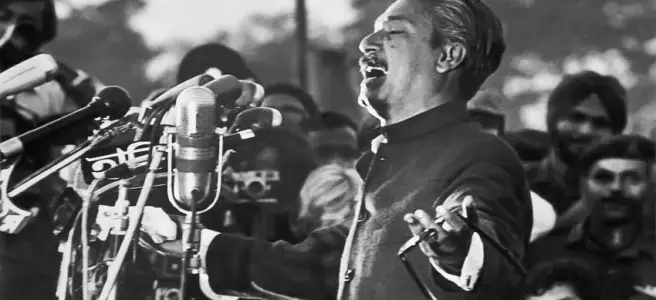
In 1965, Sheikh Mujib visited India and met Indian officials. He also had a meeting with some dissident Bengali officials, in which he encouraged them to continue their anti-Pakistan activities. Thus was born the Agartala conspiracy.
Elections and War in 1965
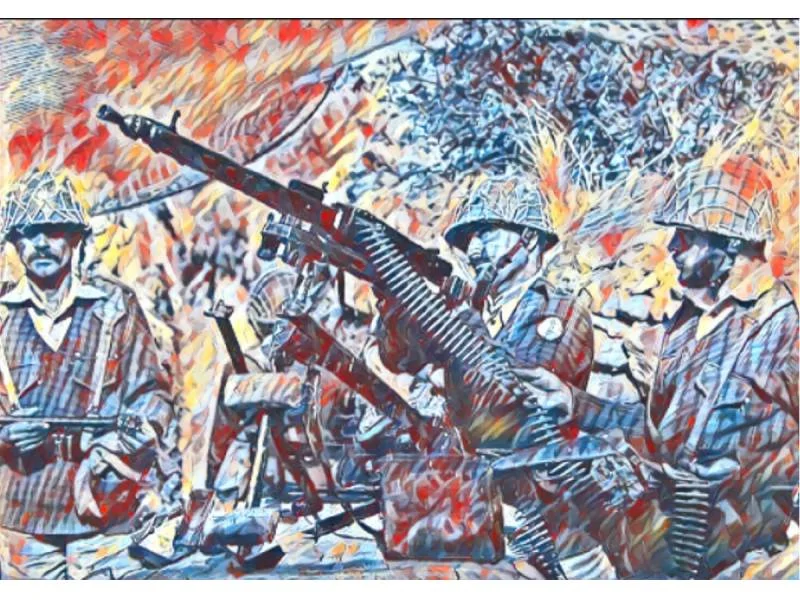
1965 was a watershed year for Pakistan. In it, a highly charged election was contested, in which Ayub Khan won office but lost his reputation and legitimacy in most of the country’s eyes. Then the war of 1965 tested the established military doctrines, which we found wanting.
Pakistani Politics in the 1950s and the First Martial Law
Aside from geography, there were important differences between East and West Pakistan related to culture, climate, economy, and security requirements. These differences between the two wings were a major cause of deadlock in the constitution-making process of the new state and eventually led to the First Martial Law.