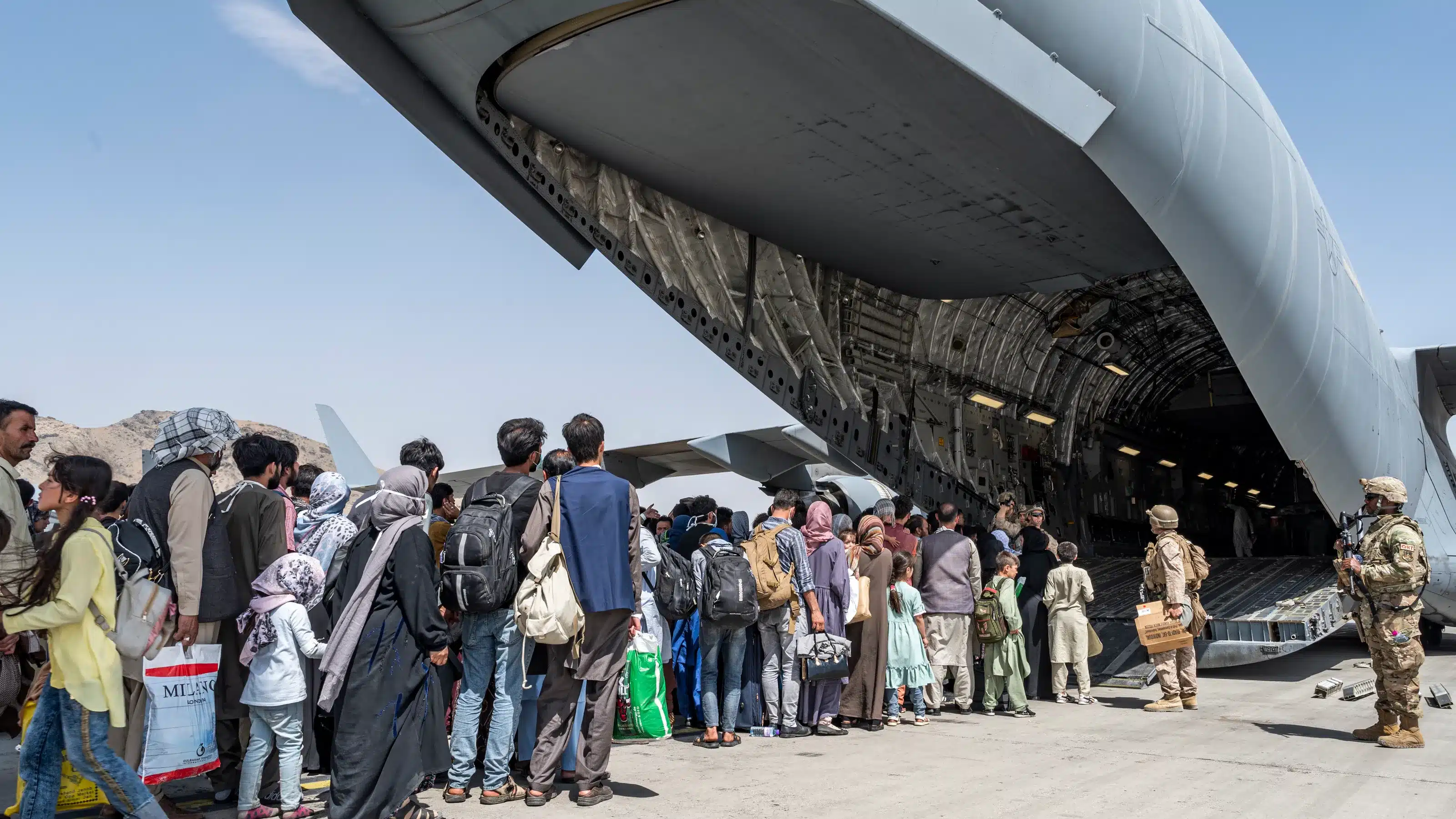
After decades of exhaustive war in the underdeveloped country of Afghanistan, the US made a historic decision of withdrawing itself from the battlefield where it spent $1 trillion and gained nothing but casualties and lack of peace in the region.
The decision of withdrawal depicted the narrative that the US has lost the war. Analysts predict that the Taliban will utilize the vacuum left by the US. This will inevitably create problems for the Kabul government. There were several impediments that led the new Biden administration to proceed with the withdrawal.
“Still Engaged”
As the US continues to fear the vacuum, Secretary Blinken made a statement regarding the presence of the US. He stated that despite the withdrawal of US forces, the US will not disengage from internal matters of Afghanistan. Guaranteeing regional peace will still be a core objective of the US. However, his statement dodgy statement raises several questions and predictably a harsh reply from the Taliban.
Similarly, in a conference, Blinken said; “We’ve also been clear that even as our forces are drawing down and pulling out of Afghanistan, we are not withdrawing, we are not disengaging,”. This statement was clarified as Blinken said that the US will maintain its diplomatic ties with Afghanistan. The US will remain in communication not only with the Kabul government but also with the Taliban. He continued to further highlight the fact that the US is playing a vital role in bridging the Kabul government with the Taliban.
Fear of Regional Stakeholders
The statement of Blinken can be considered in terms of the way the US views the role of the regional stakeholders. The US expects the regional states to occupy the vacuum left by the US in Afghanistan. Notably, the stakeholders that actually brought this whole peace initiative into existence, which includes Pakistan, Russia and China.
The role of these regional stakeholders can not be ignored. So much so that after the 29th February peace deal, Pakistani Foreign Minister Shah Mehmood Qureshi famously said “This would not have happened without Pakistan”. On 16th April, President Biden acknowledged Pakistan’s role in the Afghan Peace Process. While Russia played its role as a neutral ground participant for Intra-Afghan talks. China plays its role in establishing peace as it fears the domino effect of violence in Afghanistan spilling into its Uyghur province.
Keeping in view all this, the US not leaving an empty battleground to the regional partners makes sense. However, it will only last if the geopolitical and geoeconomic interests of the US are alive in the region. Moreover, the US has also brought in its regional ally, India, into the peace process. India was invited to the process when Secretary Blinken proposed UN-backed peace talks in Turkey.
India’s Role in Afghanistan
India has strengthened its ties with Afghanistan in recent years by investing in Afghanistan’s infrastructure and economy. The country has also offered military assistance to Afghanistan by providing courses to its army cadets in its military academies. Despite such developments, India neither holds influence over the Taliban nor has anything to offer in the peace plan.
The US has utilized India to its cause by facilitating and assisting it to block China’s influence in the region. Such prioritization of India out of all the countries in the region may appear concerning to Afghan Peace stakeholders, especially Pakistan.
Other than Pakistan, the relationship of the US with Russia and China has also been on a bumpy ride since the initiation of the peace process. The US accused Russia of meddling in its elections and recently sanctioned them over the issue in Ukraine. The US and China are fighting over the Taiwan issue. They also waged a trade war as the US sanctioned several Chinese firms. Such actions and verbal exchanges will heavily affect the US’ influence if not the peace in Afghanistan.
Influential Regional Stakeholders
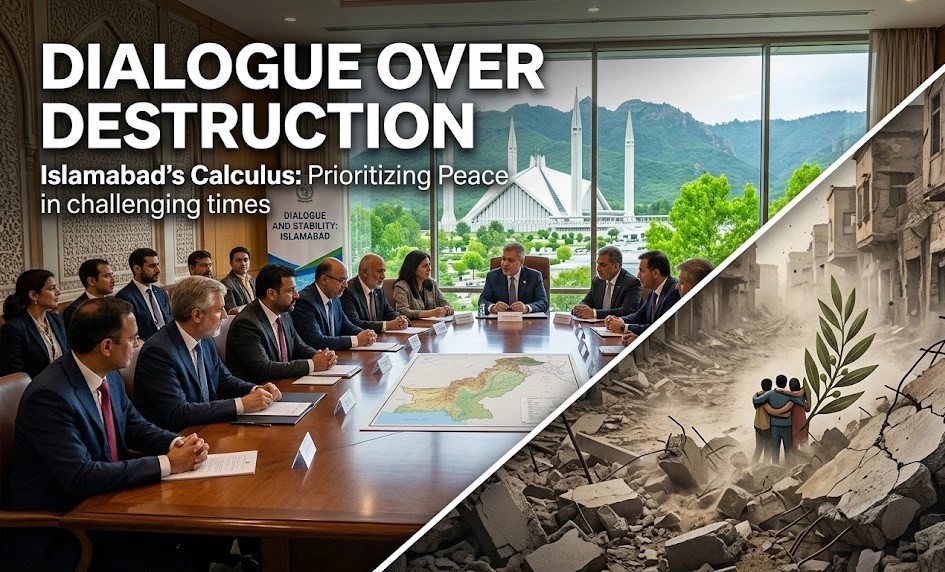
Pakistan, Russia, and China not only play an influential role in establishing peace in Afghanistan but also have deep interests in achieving peace in Afghanistan. Since the start of the war in Afghanistan, Pakistan has suffered the most with casualties of well over 100,000. Pakistan has always pushed for peace in Afghanistan as it had to go through a hard-pressed period of war on terror.
Pakistan has made it clear several times that peace in Afghanistan means peace in Pakistan. China wants peace in Afghanistan so it can contain Islamist groups in Xinjiang. The terror groups in Afghanistan were in support of the Xinjiang community. Russia wants to strengthen its hold in Afghanistan as it may protect its interest in the Central Asian States.
Hasty Withdrawal
The engagement might remain diplomatic but the military disengagement depicts another picture as some reports from Kabul said that the US is looking for an early withdrawal by July. With such hasty moves, will the US be able to keep peace in Afghanistan just through its diplomatic power? Are they overestimating their diplomatic power or does there exist another option?