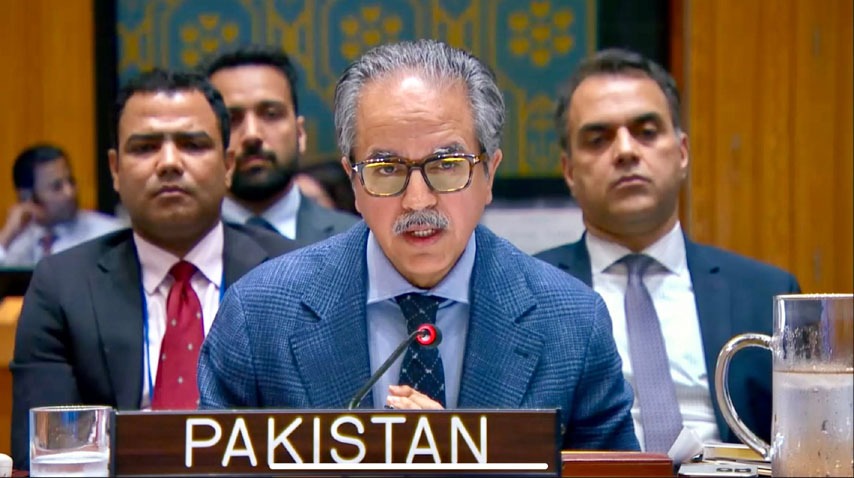
In an age of shifting alliances and whispered diplomacy, a tremor ran through the halls of power, echoing from the Potomac to the Indus. The stage was set, not with trumpets and fanfare, but with the subtle yet profound pronouncements of a titan. Behold, Donald Trump, the formidable leader of the American dominion, did himself declare the impending arrival of a Pakistani delegation! A pronouncement that, in its very essence, was a diplomatic shockwave, reverberating across distant shores.
India’s Silent Reception
For it was known that the Indian delegation, led by the eloquent Shashi Tharoor, had journeyed to the distant lands of Colombia, their strategic goals gleaming like distant stars. Yet, in the very heart of Washington, their pursuit met with the chilling embrace of indifference. The twin towers of their ambition – the American government and its esteemed Congressmen – remained unmoved, their doors closed, their ears deaf. The great commander himself, bound by the ancient protocols of his office, did not grant audience, and even the powerful Sec Marco Rubio, turned a cold shoulder.
The Deeper Meaning Behind Trump’s Words
But then, like a clap of thunder on a clear day, came the voice of the American president, speaking of Pakistan’s imminent arrival. A declaration that surely sent a dark message to Indian diplomatic efforts, representatives of a nation in denial.
Though the head of state spoke of tariffs, a mundane matter of trade, his words also carried the weight of a far grander design: his tireless efforts for a ceasefire, a quest he so wants to champion. For it is known, and well remembered, that this ruler of the American lands never forgets, especially the sting of perceived slight. And perhaps, in the quiet chambers of Washington, the shrewd Shashi Tharoor, in his strategic maneuvers, had unknowingly cast such a shadow upon the formidable Trump.
Oh, to witness the faces of those who once, with voices of ill-tidings, proclaimed the fall of Pakistan’s standing in the White House, like a house of cards tumbling in the wind! How many noble souls, even among our own political stalwarts, had embraced this dire prophecy without question!
The Return of Strategic Relevance
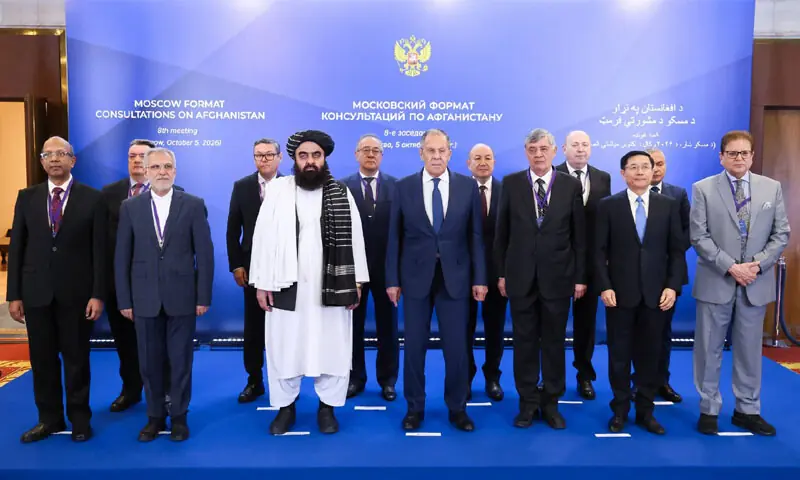
Let this be a lesson, then, for the learned analysts and for those who dared to believe that Pakistan had played its final hand. For lo, the winds of change have stirred! News of Russian collaboration to resurrect ancient steel mills whispers through the air, a testament to renewed strength. The mighty Chinese stand as an iron brother, unwavering and steadfast. Turkey and Azerbaijan, with unyielding courage, have boldly taken their stand. Iran and Afghanistan, once estranged, now revive their diplomatic ties to a new, promising zenith. And from the distant shores of Bangladesh, a whisper of vindication, where a cleansing process is in play to rid the country off from the false baggages of 1971 and false gods placed by neighbouring Indian dominion.
May this trajectory of renewed destiny hold fast! And may Pakistan, in its newfound strength, not transform this strategic gain into a strategic curse. For in the grand tapestry of nations, every thread of victory must be woven with wisdom, and every strategic gain must be guarded with unwavering foresight.
Salman Javed is the CEO of South Asia Times (SAT) and a strategic communications professional with over 15 years of experience in research, media, public diplomacy, and geopolitical analysis. His areas of expertise include Pak-Afghan affairs, regional security, strategic narratives, and South Asian geopolitics. He has led multiple research and media initiatives aimed at bridging policy analysis with informed public discourse.