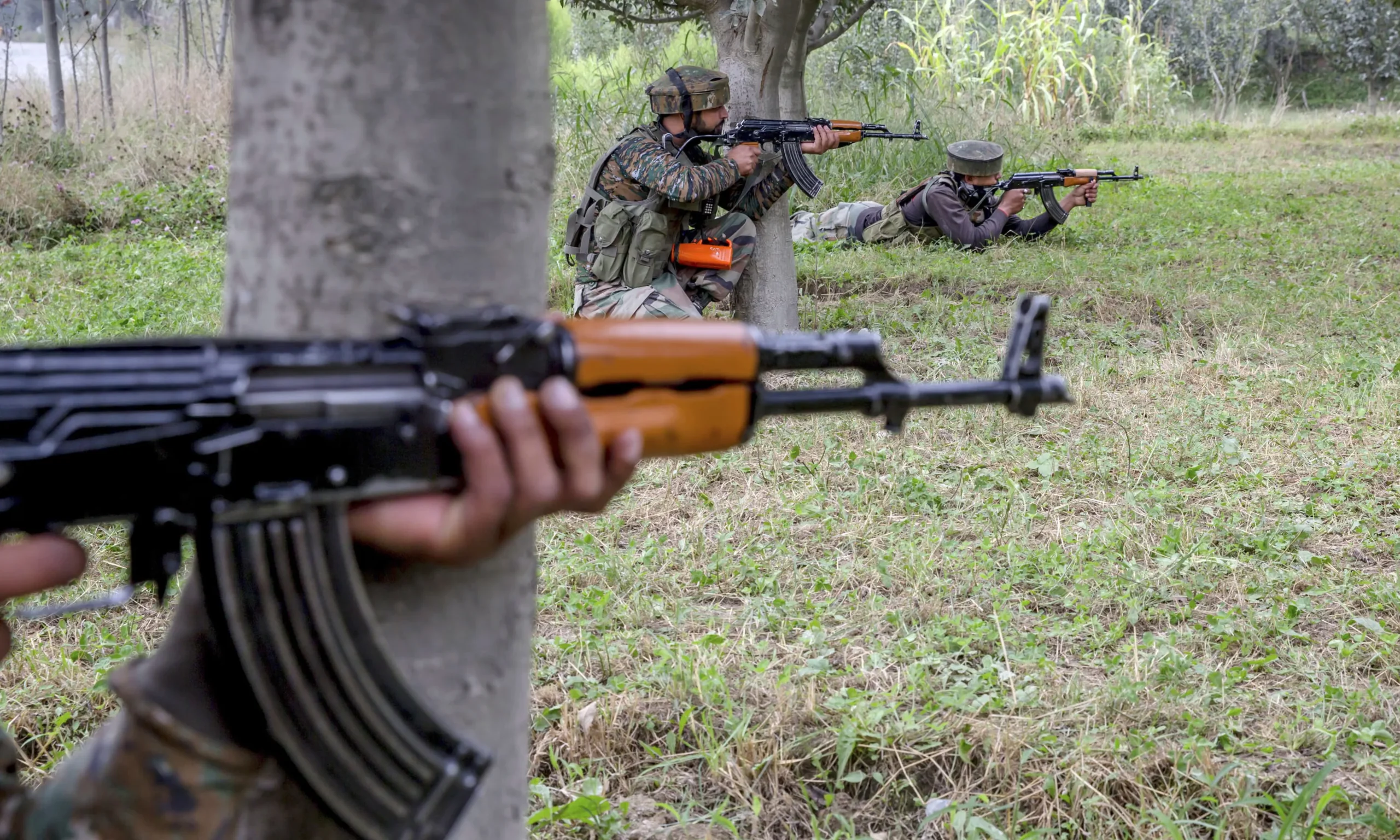
Reports from Kishtwar indicate that three Kashmiri youth were killed during a security operation described by Indian forces as an encounter. However, allegations have surfaced from local sources claiming the operation was staged, prompting renewed debate over the conduct of counterinsurgency measures in the region.
Indian authorities have not publicly responded to claims circulating on social media that chemical agents were used during the operation. No independent verification of these allegations has yet emerged.
The incident has intensified longstanding concerns over so-called “fake encounters” in Indian-administered Kashmir. Human rights organizations, including Human Rights Watch and Amnesty International, have in past reports documented cases in which civilians were allegedly killed and later labeled as militants. Such findings have periodically fueled controversy and demands for accountability.
Critics argue that the heavy militarization of the region — with hundreds of thousands of security personnel deployed — raises questions when infiltration claims are made, particularly along the Line of Control (LoC), which Indian authorities describe as heavily fenced and technologically monitored.
There have also been past cases in which individuals from both sides of the LoC, including residents of Azad Jammu and Kashmir (AJK) who inadvertently crossed over, were reportedly detained and, in some instances, later killed in disputed encounters. Each such episode has deepened mistrust and sharpened political rhetoric.
Indian officials maintain that operations in the region are conducted in response to security threats and cross-border militancy. However, local political voices and rights advocates argue that branding deceased individuals as foreign militants without transparent public evidence undermines credibility and exacerbates tensions.
The broader question remains unresolved: whether sustained militarization can deliver long-term stability in a conflict marked by competing political claims and deep-rooted grievances. Observers note that without credible investigations and transparent accountability mechanisms, allegations surrounding such operations are likely to persist, further complicating prospects for peace and reconciliation in the region.