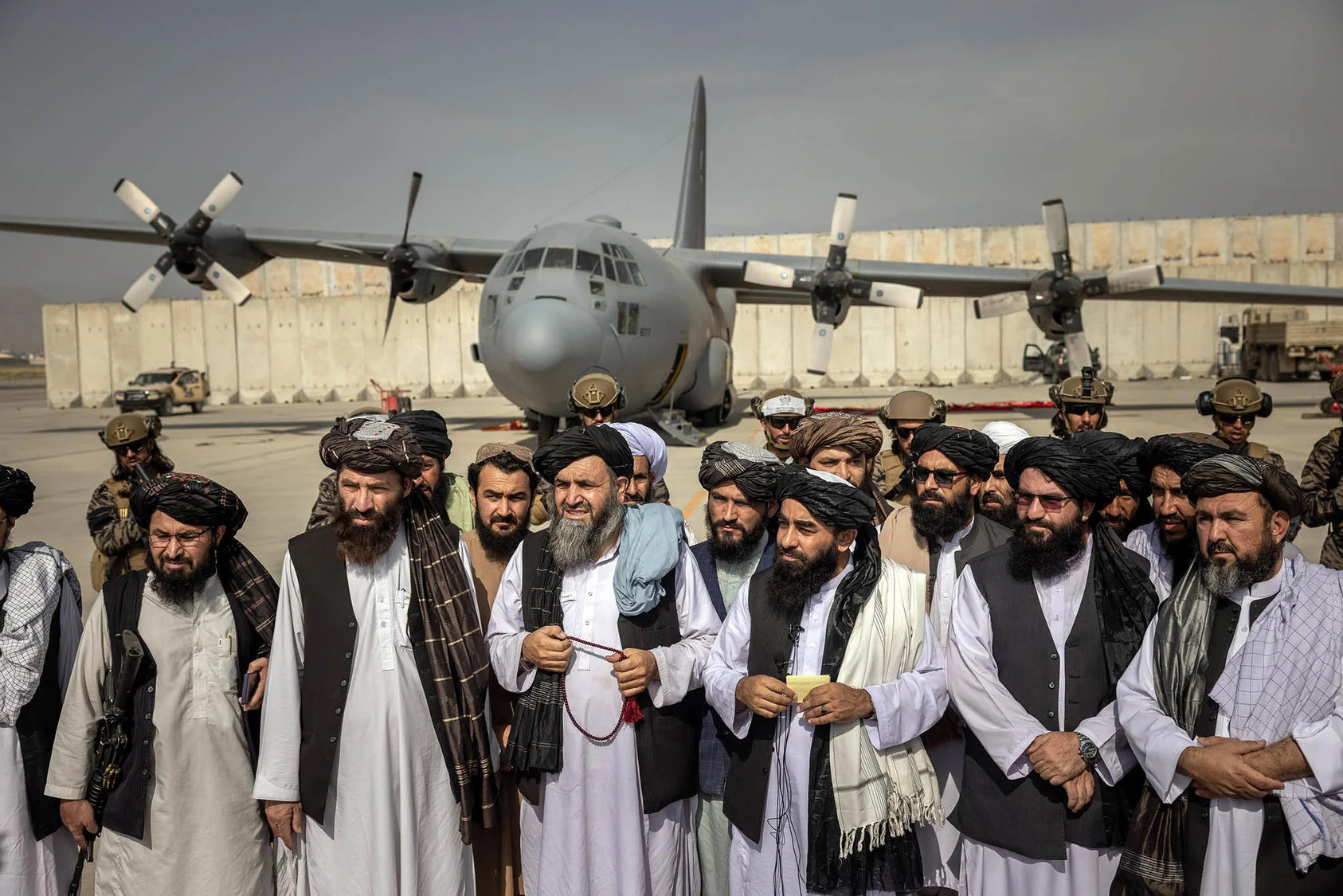
Recent social media discourse has taken a sharp, diversionary turn following a week of catastrophic reputational damage for Afghanistan on the global stage. The shock of Rahmanullah Lakanwal’s deadly attack on US National Guard members in Washington D.C., coupled with the arrest of another Afghan national, Mohammad Dawood Alokozay, on terror charges in Texas, has triggered a severe backlash, culminating in the United States’ decision to indefinitely suspend all Afghan immigration. In the wake of these events, statements from senior Taliban officials such as Suhail Shaheen have increasingly framed Afghanistan’s challenges almost exclusively through the lens of Pakistani interference.
This narrative suggests that the economic stagnation, border crises, and security lapses plaguing Afghanistan are external impositions rather than internal failures. However, a deeper analysis reveals this rhetoric to be a classic diversionary tactic, a “play to the gallery” designed to stoke nationalist sentiment and distract from the current Afghan Government’s inability to correct the house. While historical grievances exist, the current fixation on Pakistan serves to obfuscate a more pressing reality.
The primary driver of this externalized blame game is the Afghan Taliban’s critical lack of administrative capacity. Four years into their rule, the Taliban has struggled to transition from an insurgency to a functional government. By focusing public anger on a foreign adversary, they attempt to mask the absence of a coherent economic policy and the collapse of social services.
The data paints a stark picture of a state failing its citizens. According to recent economic analyses, Afghanistan remains the only non-African nation among the world’s twenty poorest countries. Nearly 80% of the population lives in poverty, struggling to survive on less than a dollar a day. The World Bank notes that the economy has effectively stagnated, with the private sector crushed by isolation and a lack of liquidity. Instead of addressing this humanitarian catastrophe, the IAG channels its energy into performative diplomatic spats, using nationalism as a shield against scrutiny for the fact that millions of Afghans are hungry not because of border closures, but because of systemic governance failures.
A central pillar of the Taliban’s diplomatic defense is the claim that they will not allow Afghan soil to be used against any country. This assertion, repeated ad nauseam in Doha and Kabul, stands in stark contrast to the ground reality. The relationship between the Afghan Taliban and the TTP is not just ideological; it is operational and symbiotic.
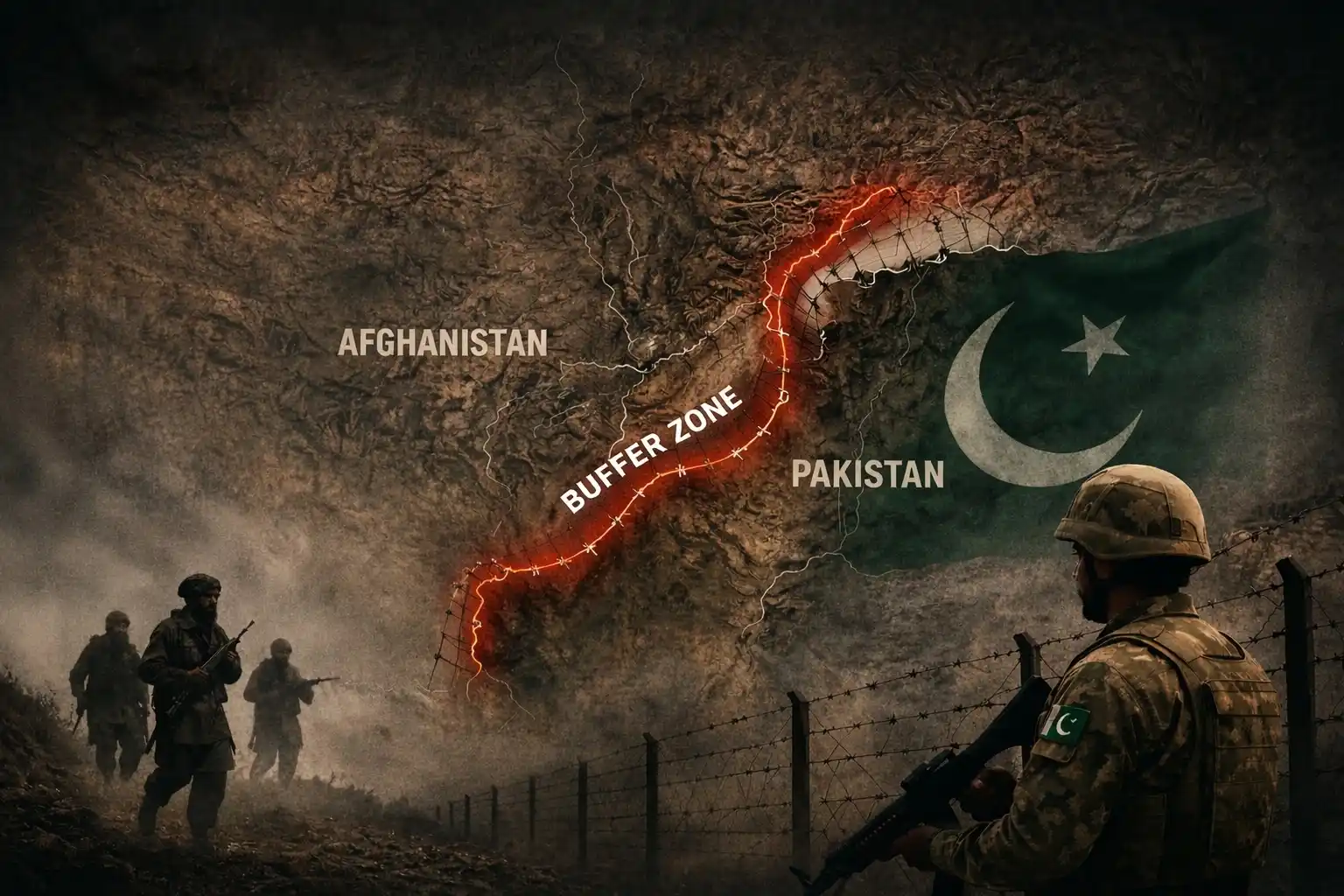
The hypocrisy of this stance was laid bare by undeniable forensic evidence from recent security operations. Investigations into cross-border attacks have revealed a direct pipeline of fighters moving across the Durand Line. Recently, the bodies of 50 Afghan fighters linked to the Hafiz Gul Bahadur faction of the TTP were transferred back into Afghanistan after being killed in clashes with the Pakistani military in Sambaza, Balochistan. Sources indicated that nearly 90 percent of those killed were Afghan nationals, further debunking the Afghan Taliban’s claims of neutrality. This pattern of state complicity extends to the highest levels of the Taliban leadership; reports confirmed that the son of the Taliban’s Deputy Governor for Badghis province was also killed while fighting Pakistani security forces in Khyber Pakhtunkhwa. These are not isolated anomalies but part of a systemic operational alliance where Afghan nationals, equipped with sophisticated weaponry left behind by coalition forces, are serving as foot soldiers in a foreign insurgency. It is logically inconsistent for the Afghan Taliban to claim sovereignty while its own officials, and their immediate families, are active combatants in a neighboring state’s conflict.
The critique of the Taliban today has shifted. While they were historically criticized for their own acts of terror, the current danger lies in their inability, and unwillingness, to police their territory. Afghanistan is increasingly viewed by the international community not just as a rogue state, but as a “security black hole.” UN Security Council reports (2025) have highlighted that Afghanistan has become a hub for nearly two dozen terrorist groups. The UN Monitoring Team explicitly states that the TTP is the largest beneficiary of the Taliban’s victory, operating with unprecedented freedom. Furthermore, the presence of Al-Qaeda training camps and safe houses suggests that the IAG is either complicit in or incapable of restraining these actors.
This transforms Afghanistan from a local pariah into a global security risk. The Afghan Taliban’s failure to establish a monopoly on violence means that even if the central leadership wished to uphold counter-terrorism commitments, their decentralized command structure and ideological debts to foreign fighters make implementation impossible.
Consequently, the statement by Suhail Shaheen, and the broader media narrative it represents, must be read as a symptom of the Taliban’s crisis of legitimacy. Blaming Pakistan is a convenient, low-cost strategy to rally domestic support, but it cannot fix the structural rot within Kabul’s institutions. Until the Taliban corrects the house, dismantling the terror infrastructure they host and addressing the deep socio-economic problems, Afghanistan will remain a source of instability for the region and a danger to the world.