
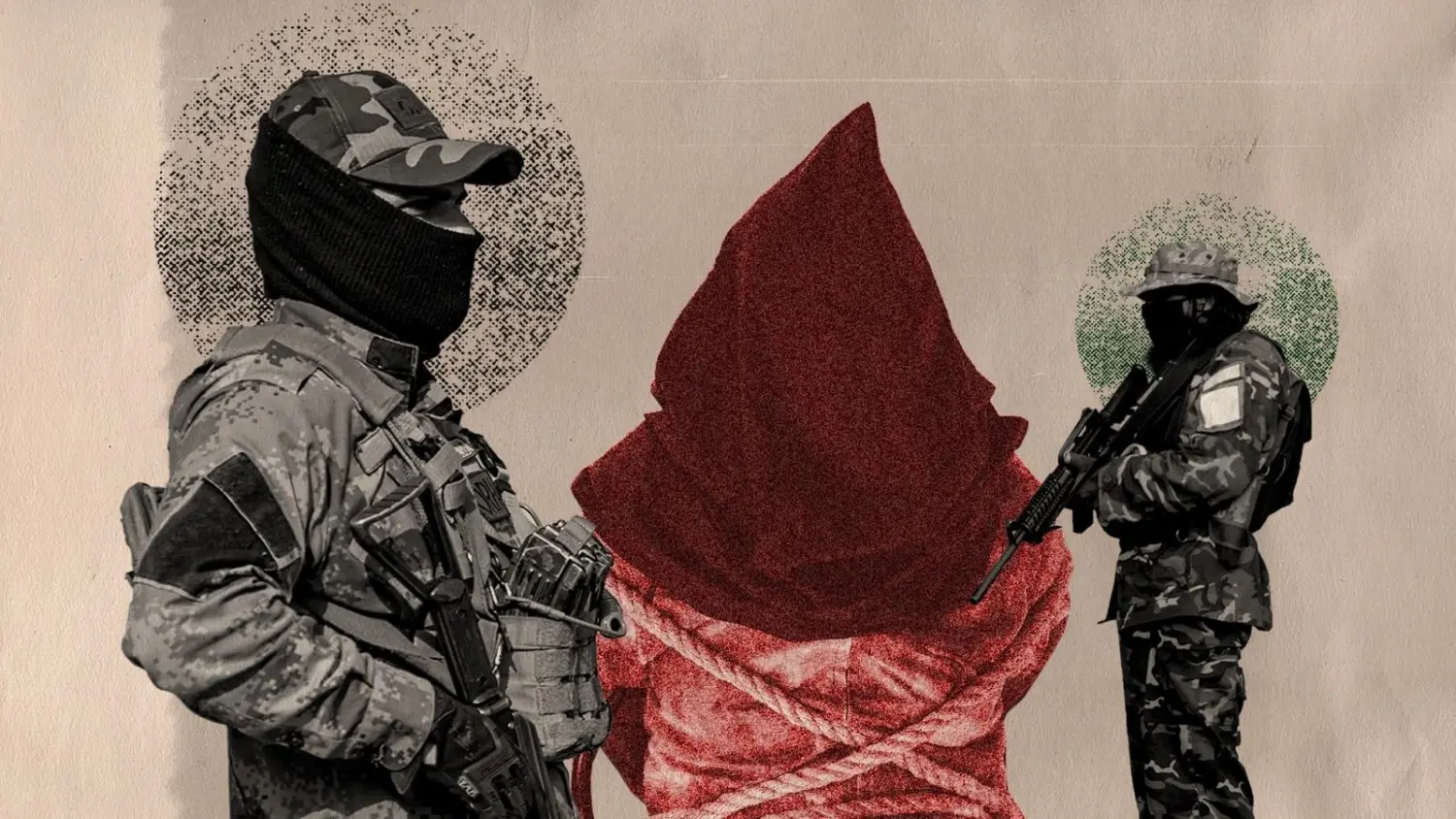
A few days ago, former Afghan General Ikramuddin Saree, a highly experienced military commander and known Taliban opponent, was assassinated in Tehran alongside his colleague Commander Almas Kohistani by armed individuals.
What happened in Tehran felt less like a random attack and more like the quiet continuation of a hunt that never really stopped. This event represents a major escalation in the Taliban’s campaign against its political and military opponents, demonstrating that exile outside Afghanistan no longer guarantees safety. The anti Taliban media, attributes responsibility for the operation to Taliban Intelligence Directorates 376 and 091, working in coordination with elements linked to the Islamic Revolutionary Guard Corps (IRGC) of Iran. The operational sophistication of the attack suggests careful planning, cross-border coordination and logistical support rather than a spontaneous criminal act.
Reports indicate that four Taliban agents entered Iran from the Afghan border approximately one and a half months prior to the assassination. During this period, they conducted surveillance, completed operational planning, executed the attack and returned to Afghanistan immediately afterward. The sequence underscores the ability of Taliban intelligence apparatus to operate beyond Afghan borders while leveraging networks within host countries. It also quietly signals that “distance” is no longer protection, only another battlefield.
Significantly, only days before the attack, General Saree had publicly warned in a media interview that his name, along with those of several other former Afghan military personnel residing in Iran, had been placed on a Taliban assassination list. He explicitly stated that their lives were under serious threat and directly called on Iranian authorities to provide protection.
Despite these clear warnings, no meaningful measures were taken to ensure the safety of Taliban opponents, leaving them vulnerable to targeted violence. This assassination therefore signals a broader operational strategy by the Taliban, that is, to neutralize dissent and opposition figures irrespective of international borders. The targeting of high-profile military leaders in Tehran indicates a calculated effort to demonstrate reach and intimidate others in exile. For Afghan exiles, especially former military officials residing in Iran, this creates a heightened security environment that demands immediate risk assessment, extreme caution and consideration of relocation.
In fact, for many who fled, the message is chillingly simple that the war followed them.
Beyond the immediate loss of life, the operation highlights the increasing transnational capabilities of the Taliban’s intelligence services and the role of Iranian territorial permissiveness or facilitation. These developments carry serious implications for regional security, the protection of political dissidents and the responsibilities of host states under international norms. Without intervention or accountability, such cross-border assassinations are likely to continue, threatening the safety of Afghan opposition figures and normalizing extraterritorial political repression.
The Battle After the Bullet
Following the assassination of General Ikramuddin Saree and Commander Almas Kohistani, both the Iranian government and the Taliban appear to have engaged in deliberate narrative management aimed at misleading public perception. Afghan insiders suggest that Tehran and the Taliban regime are attempting to obscure political and security realities surrounding the targeted killings of opposition figures, shifting responsibility onto other actors or external entities. Such efforts serve to deflect scrutiny from the Taliban’s operational reach and from any potential enabling role played by Iranian authorities.
Narrative control is a central component of modern transnational political strategy, particularly for actors seeking to avoid accountability. In this case, by framing the assassination as an isolated incident or attributing it to unknown parties, the Taliban and Iranian authorities may hope to minimize domestic and international attention. The deliberate dissemination of misleading accounts undermines transparency, weakens prospects for justice and prevents recognition of patterns of extraterritorial repression.
Here, the second battle begins, not over territory, but over truth.
This information strategy is particularly significant given the geopolitical sensitivities involved. Acknowledging Taliban responsibility would highlight the operational freedom of its intelligence services within Iran and expose failures in protecting Afghan exiles on Iranian territory. For the Taliban, denial protects their already fragile international legitimacy, while allowing continuation of transnational targeting operations without overt consequence.
The manipulation of narratives also has practical consequences for Afghan exiles. Misleading information creates confusion regarding real threats, discourages reporting and can foster a false sense of security. When combined with a lack of preventive measures by host authorities, narrative management increases vulnerability, as potential targets may underestimate the immediacy or severity of threats.
Moreover, narrative management complements the physical act of repression, forming a dual strategy of elimination and obfuscation. Assassination removes the body; misinformation attempts to erase the story.
By controlling both the operational and informational domains, the Taliban and cooperating networks in Iran can shape public understanding, limit international scrutiny, and maintain impunity for targeted killings. Recognizing and challenging such manipulation is essential for accountability, protection of exiles and the prevention of further transnational political violence.
Iran-Taliban Strategic Alignment and Operational Facilitation
The assassination in Tehran also highlights a significant shift in regional dynamics; growing political, security and operational alignment between Iran and the Taliban. Following escalating tensions between Islamabad and the Taliban, Tehran has sought to strengthen its strategic relationship with the group. Iranian authorities now openly refer to the Taliban as a “close friend” and “strategic partner,” reflecting an unprecedented level of cooperation that extends beyond diplomacy into operational coordination.
Available evidence indicates that Taliban diplomatic missions played an active role in the planning and facilitation of targeted assassinations. The Taliban embassy in Tehran and the consulate in Mashhad were involved in operational stages leading up to the killings of opposition figures. Such involvement suggests that Tehran’s accommodation of Taliban activities created a permissive environment, facilitating cross-border intelligence operations and undermining protections for Afghan exiles.
The operational and political cooperation between Tehran and the Taliban has several implications. First, it signals that Iranian territory can be used for planning and executing extraterritorial attacks with minimal interference. Second, it demonstrates how strategic alignment can influence enforcement of domestic security responsibilities, potentially subordinating protection of exiles to broader geopolitical objectives. Third, it raises concerns for regional security, as similar operations may expand to other neighboring countries hosting Afghan opposition figures.
By integrating operational facilitation with narrative management, the Iran–Taliban alignment represents a sophisticated approach to transnational repression. Tehran’s permissiveness or direct cooperation, coupled with Taliban intelligence capabilities, creates a dual threat, that is,physical targeting and informational obfuscation. This partnership enables the Taliban to project power beyond Afghanistan’s borders while maintaining plausible deniability, complicating efforts to safeguard exiles and uphold international norms.
Unequal Security Conditions and What They Mean for Afghan Exiles Trying to Survive
A stark contrast exists between the security conditions of Afghan exiles in Iran and those residing in Pakistan. Former Afghan military personnel and political figures in Pakistan currently enjoy reliable security, including individuals who previously held critical or opposing positions toward Islamabad. To date, there have been no reports of threats or targeted assassinations against these individuals.
In Iran, however, former Afghan military personnel face increasing vulnerability. As per Taliban opposition media, some were pressured to cooperate with Taliban authorities and subjected to indirect intimidation. Combined with the failure of Iranian authorities to provide effective protection, this environment creates heightened risk for exiles who may be targeted due to prior military or political affiliations.
Under current circumstances Afghan exiles in Tehran are strongly advised to exercise extreme caution, continuously assess personal security and consider relocation if serious threats are perceived. The patterns observed in Tehran-cross-border operations, diplomatic involvement and narrative manipulation-underscore that legal residency alone cannot guarantee safety.
Available indications also suggest that Taliban are actively planning further targeting of opposition figures outside Afghanistan. Iranian authorities must take serious measures to monitor and restrict the activities of Taliban intelligence agents operating within their territory. Failure to address these threats risks normalization of transnational political violence and undermines regional security and protections for displaced populations.
For Afghan exiles, the situation in Iran contrasts sharply with that in Pakistan, demonstrating that host-state policies, enforcement, and geopolitical alignment directly influence the safety of political dissidents. In the end, survival now depends not only on where one lives, but on whose interests that territory serves. Survival now depends on personal vigilance, situational awareness, and access to secure relocation options. Protecting exiles requires both host-state responsibility and international scrutiny to prevent further extraterritorial attacks.
Disclaimer: The views expressed in this article are the author’s own. They do not necessarily reflect the editorial policy of the South Asia Times



![US Embassy in Riyadh, Saudi Arabia, amid heightened regional tensions following the Iran crisis. [Image via AFP].](https://southasiatimes.org/wp-content/uploads/2026/03/image-3-3-scaled-1.webp)