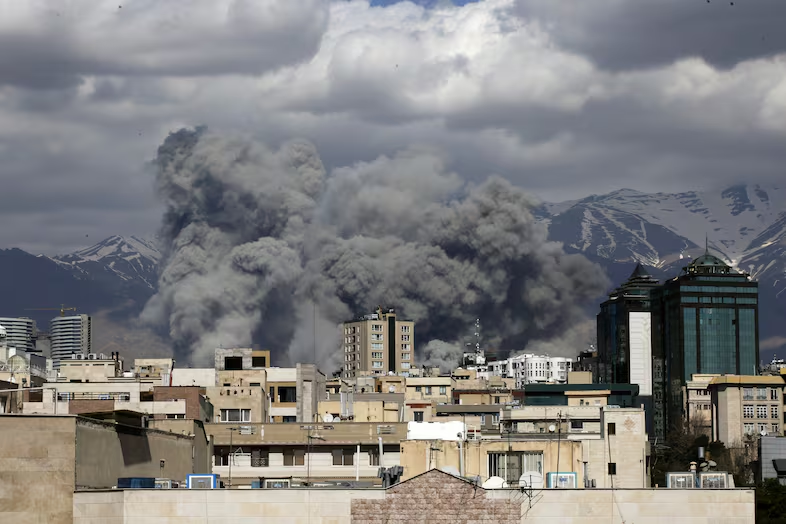
If Iran is one of the United States’ and Israel’s most persistent geopolitical adversaries, a simple question follows: why has the Western playbook of overwhelming infrastructure destruction (“shock and awe”) not materialized in Iran? In wars involving Iraq, Afghanistan, and Libya, the early stages of military campaigns targeted power grids, telecommunications, transportation networks, and water systems. The logic was straightforward: cripple the state’s ability to function and accelerate regime collapse. Yet the strategic calculus surrounding Iran has consistently appeared far more restrained. This restraint is not accidental. It reflects a deeper paradox: Iran is both a strategic rival and a country whose unchecked collapse would undermine the very leverage the US and Israel seek to maintain in the Middle East.
A Different Kind of Target
During the 2003 invasion of Iraq, coalition bombing campaigns rapidly dismantled the country’s infrastructure. Electricity networks collapsed, communications systems failed, and transport arteries were disabled. The expectation was that systemic paralysis would quickly erode Saddam Hussein’s grip on power.
In Libya in 2011, NATO airstrikes again targeted infrastructure that sustained the regime of Muammar Gaddafi. While the strategy succeeded in toppling the government, it also left a fractured state struggling to rebuild its institutions. Afghanistan experienced a similar early collapse of military and communications infrastructure following the U.S. intervention in 2001.
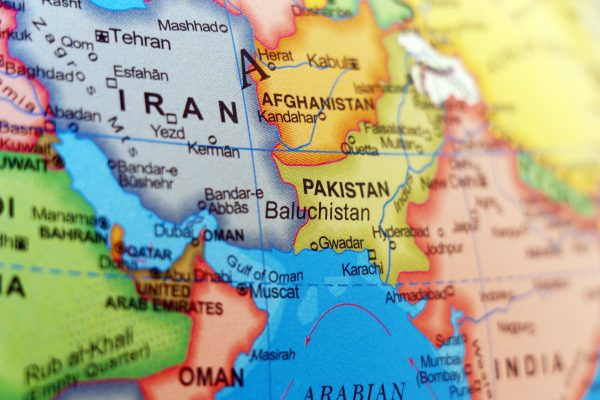
Iran, however, proved to be a far more complex and different case. One that calls for calculated pressure that retains the fragile reigns needed for ensuring future political leverage. With a population approaching 90 million people, the country is not only large but deeply diverse. Persians form the majority, but substantial communities of Kurds, Azeris, Arabs, and Baloch inhabit different regions of the country, each with their own political dynamics.
In any scenario involving political transition, these communities would inevitably play a role in shaping Iran’s future. A campaign that devastates civilian infrastructure risks alienating precisely the populations external powers might later hope to influence.
Geography That Shapes Strategy
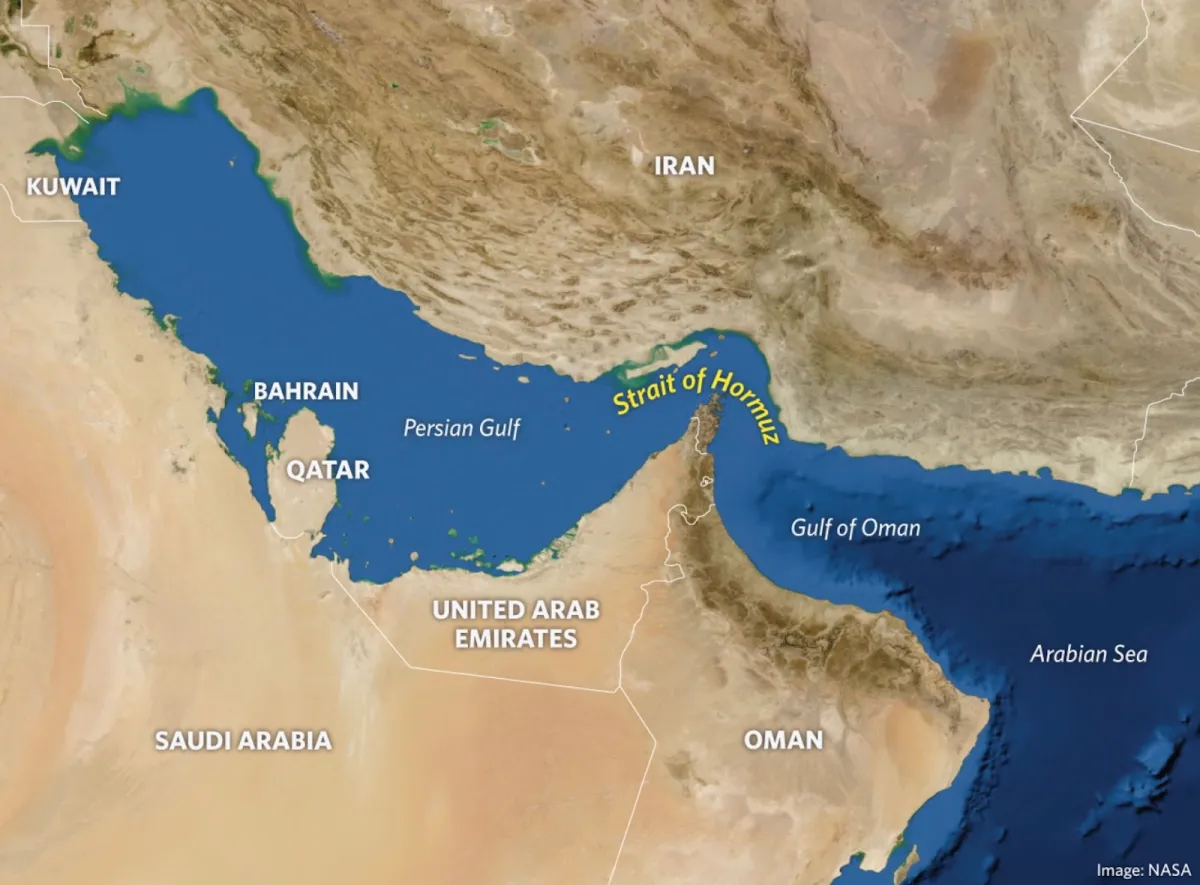
Iran’s geography also imposes strategic limits on how far a military campaign could go. The country borders the Strait of Hormuz, one of the most vital energy chokepoints on Earth. Roughly 20 percent of the world’s oil supply passes through this narrow maritime corridor connecting the Persian Gulf to global markets.
Any military strategy that triggers widespread instability along Iran’s coastline risks disrupting that flow. A prolonged closure of the Strait would send shockwaves through global energy markets and the wider international economy. Further, escalating threats to GCC infrastructure by Irani counter missile attacks further exasperates the situation – with a risk of upsetting powerful GCC allies.
For these reasons, any serious military planning around Iran prioritizes stability of maritime infrastructure around Hormuz and calculated military target strikes – to keep the risk predictable for the GCC. The strategic goal is often not to destroy the system but to ensure it remains under control.
The Pahlavi Variable
Iran’s internal politics add yet another layer of complexity. Among opposition movements abroad, supporters of the former monarchy—associated with Reza Pahlavi—represent one of the most internationally visible groups advocating political change. Many within these circles favor closer relations with the United States and are passionately resonant with Israeli strategic outlooks for the region. Within segments of the Iranian diaspora aligned with the Pahlavi movement, sympathy toward Israeli geopolitical perspectives is far more pronounced than anywhere else in the Middle East.
For Israel—often diplomatically isolated in the region—this makes Pahlavi-aligned constituencies a rare but potentially valuable political asset. A post-Khamenei Iran with strong monarchist or secular influence could become one of the few countries in the region where open cooperation with Israel is politically conceivable. However, this dynamic also reinforces strategic restraint. If Iran’s cities, power systems, and civil infrastructure were devastated in a full-scale military campaign, these same constituencies could easily turn against the external actors responsible. Destroying the country whose future political actors one hopes to cultivate would be strategically self-defeating.
The Regional Balance of Power
There is also a broader geopolitical consideration. Iran’s Shia-led political system operates within a region largely dominated by Sunni-majority neighbor states. Over the past four decades, Tehran has projected influence through networks of political movements and allied groups across the Middle East. From a strategic perspective, completely collapsing the Iranian Shia theocracy could also mean losing a form of geopolitical leverage over Sunni-dominated neighbouring governments that have historically adjusted their policies in response to Iran’s presence in the regional balance of power. While Iran’s influence has often been perceived as destabilizing, it has simultaneously served as a counterweight within Middle Eastern politics. Eliminating that counterweight entirely could create a power vacuum with unpredictable consequences.
Lessons from Recent History
The experience of recent regime-change wars has reinforced these concerns. In Iraq, the collapse of state institutions produced years of instability, sectarian conflict, and governance breakdown. Libya remains divided more than a decade after the fall of Gaddafi. Infrastructure destruction may accelerate regime collapse, but it often leaves a country without the systems necessary to rebuild stability.
In Iran’s case, the consequences would likely be magnified. Its population, geography, and regional influence mean that state collapse could reverberate across the Middle East, Central Asia, and South Asia simultaneously. Energy markets, migration flows, maritime security, and political alliances would all be affected.
A Strategy of calculated Pressure, Not Collapse
For these reasons, the US and Israel’s current military strategy toward Iran largely tends to centre around pressure and precision rather than sudden destruction:
- Neutralizing leadership only
- Targeted military installations
- Missile and nuclear infrastructure
- Limited operational strikes
Avoidance of widespread civilian infrastructure damage
The goal is to apply pressure without triggering uncontrollable regional instability.
The Real Strategic Paradox
Iran’s adversaries see it as a major geopolitical challenger. Yet the country’s very scale and influence make its dismantling a unique scenario. Unlike smaller states that have experienced destructive wars in recent decades, Iran occupies a position where a total sudden collapse will cause more damage than good. That is the paradox at the heart of current Iran conflict.
Iran’s power makes it a target of pressure. But that same power—and the consequences of removing it—ensures that total destruction remains a strategy the US and Israel are reluctant to pursue. Instead, they will continue to tread a delicate line while balancing the same elements they seek to control.