![US Embassy in Riyadh, Saudi Arabia, amid heightened regional tensions following the Iran crisis. [Image via AFP].](https://southasiatimes.org/wp-content/uploads/2026/03/image-3-3-scaled-1.webp)
The growing confrontation with Iran, reflected both in recent military actions and in the discourse emerging from Washington, must be understood within a broad geopolitical framework rather than as an isolated security episode. The crisis reflects widening geopolitical competition in the Middle East, where military pressure, alliance politics, and energy security are increasingly interlinked.
Public remarks by the United States Senator Lindsey Graham criticizing Saudi Arabia’s cautious approach to the crisis offer a clear window into the thinking of some voices in Washington. To them, Riyadh’s strategic restraint is not seen as responsible statecraft but as reluctance to confront Iran. This pressure, however, risks drawing Arab states deeper into a conflict that could set regional powers against one another and widen instability across the Middle East.
It is argued that such escalation ultimately serves Israel’s broader strategic ambitions described as the vision of “Greater Israel.” Within this framing, certain ideological currents link regional turmoil to the symbolic project of the “Third Temple,” a notion widely viewed across the Muslim world as threatening Islamic holy sites and the region’s fragile stability. For many observers in the region, these ideas underpin the belief that escalating confrontation is being shaped by ideological ambitions tied to the consolidation of Zionist dominance in the Middle East.
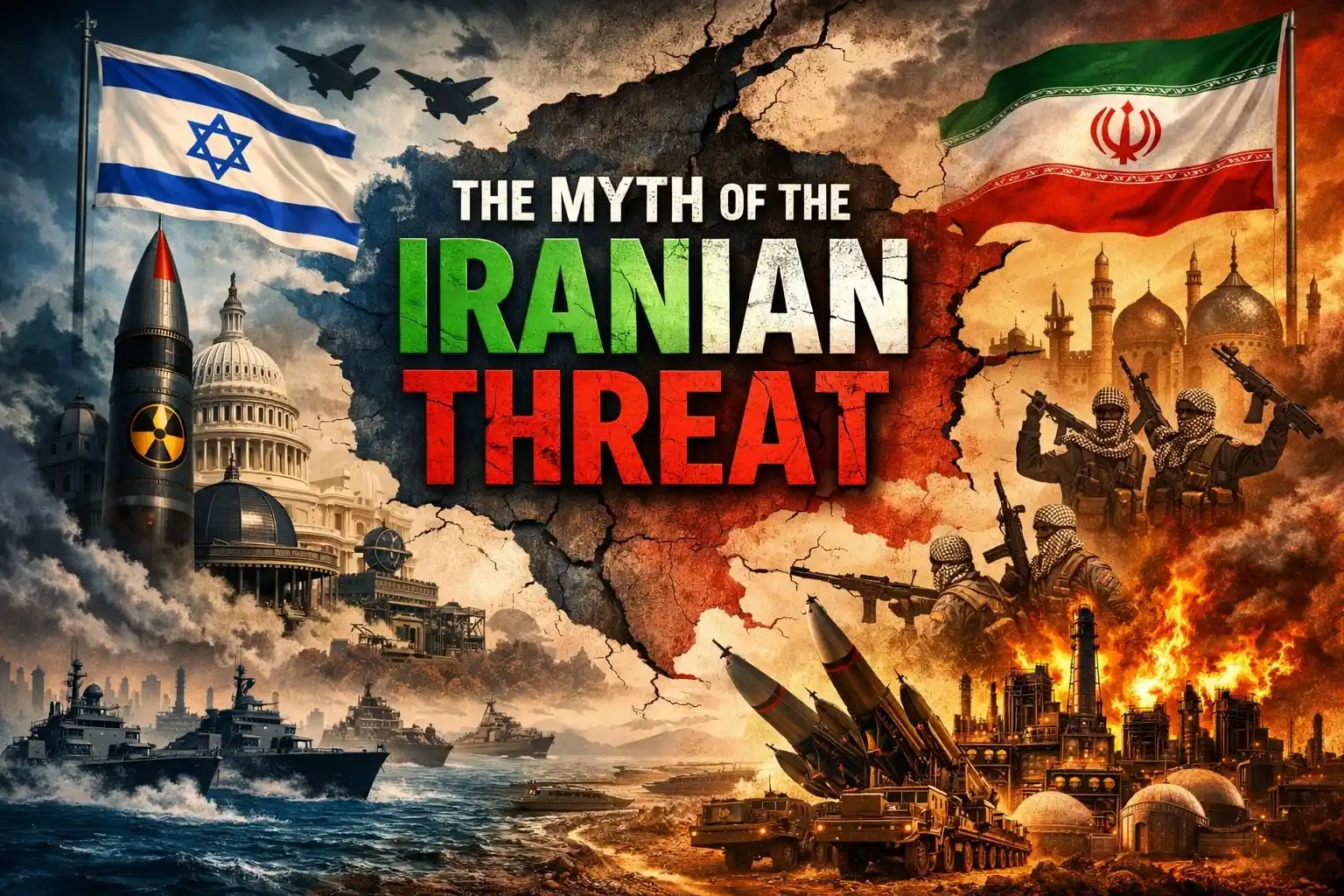
The American–Israeli strikes against Iran on February 28, 2026, aimed at neutralizing Iran’s leadership and nuclear capabilities, were presented as defensive measures but appear to form part of a broader strategic calculation. Rather than a limited response, the operation signaled an effort to draw Gulf states more directly into a prolonged confrontation with Tehran.
By openly criticizing Riyadh’s restraint, even after Saudi Arabia intercepted incoming Iranian projectiles, Washington has increased pressure on the Kingdom to take a more active military role. Such pressure risks shifting the costs and human burden of an escalating conflict onto regional partners while allowing the United States to limit its own direct exposure and preserve its forces for other strategic priorities or high value contingencies
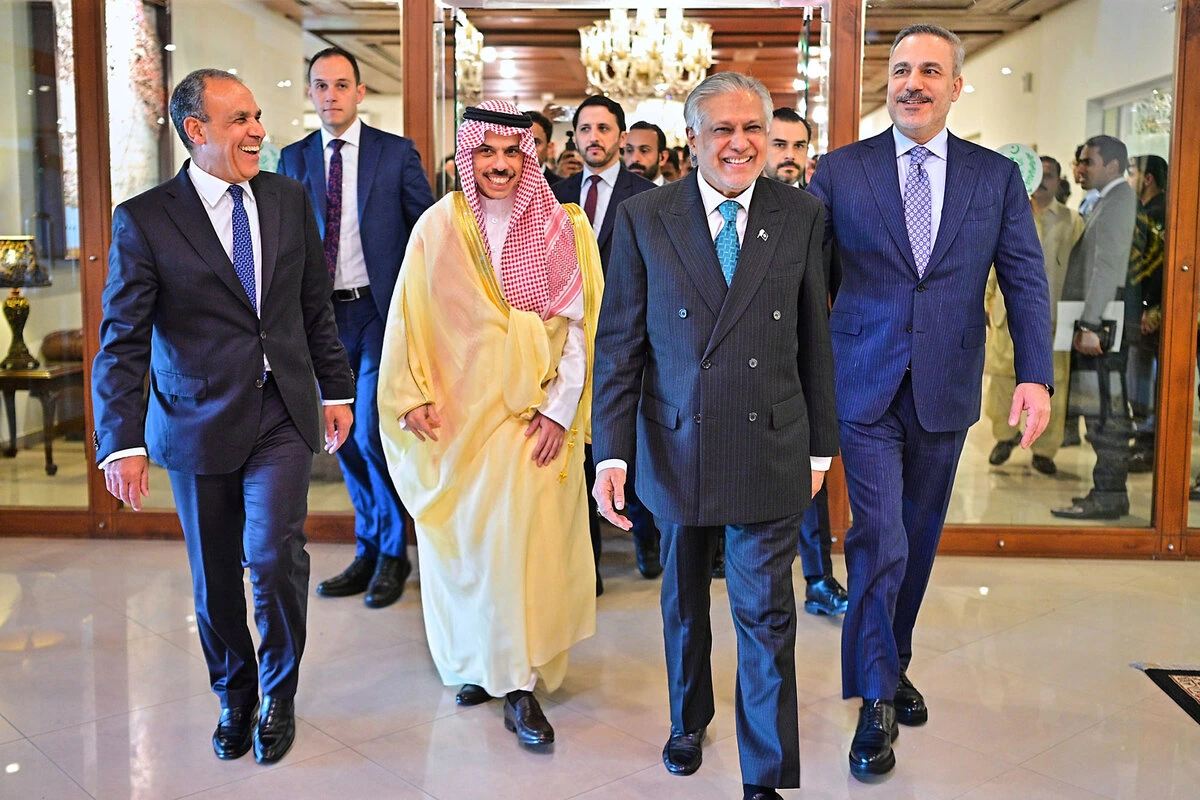
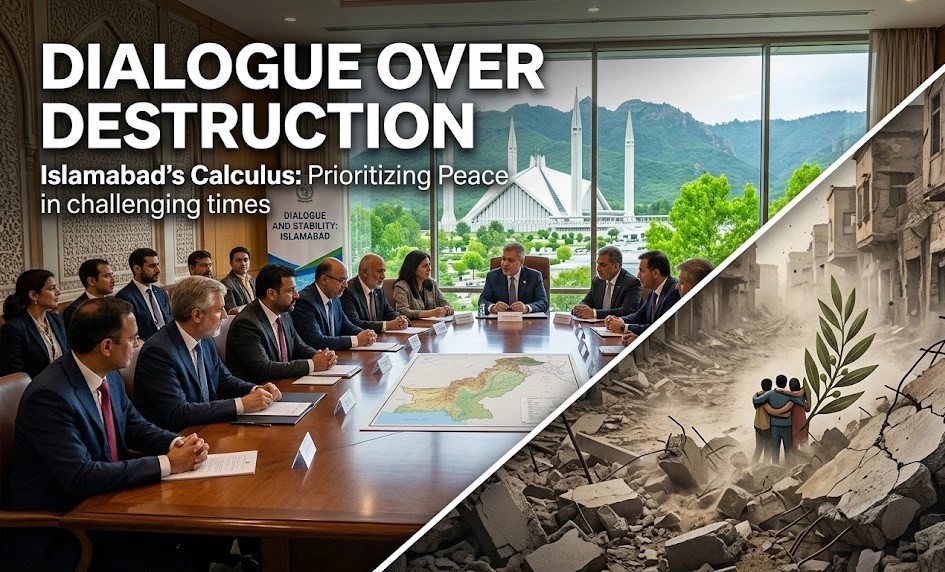
The contrast between Washington’s pressure and Pakistan’s quiet diplomacy is notable. While some in the United States pushed for a harder military response, Pakistan engaged Tehran through direct diplomatic channels. The Pakistani foreign minister urged Iran not to target Saudi territory, and Tehran reportedly gave a clear assurance in response. That step helped prevent further escalation and kept the Kingdom from being dragged directly into the conflict.
This episode shows the value of practical diplomacy in a tense region. Pakistan’s intervention allowed Riyadh to maintain its own strategic judgment, consistent with the right of self-defence under Article 51 of the United Nations Charter, without being pulled into a war that was not of its making. Saudi Arabia’s restraint deserves recognition, especially as it resisted calls from some Western political circles for boots on the ground, a move that could have turned the Kingdom into the main battlefield of a wider confrontation.
At the same time, beyond the immediate diplomatic dynamics, the political discourse surrounding the crisis also points to ideological under tones, particularly in light of recent statements similar to those made by US Senator Lindsey Graham. For many in the region, such grandiloquence strengthens the belief that regional turmoil may ultimately serve a broader strategic project that is “Greater Israel,” stretching across lands historically invoked in biblical terms between the Nile and the Euphrates.
Another dimension of the crisis concerns control over Gulf energy flows, particularly the shipping lanes passing through the Strait of Hormuz. Iranian threats to disrupt traffic through the strait have already unsettled global energy markets. In this context, Washington’s pressure on Saudi Arabia to take a tough stance, rather than supporting Riyadh’s efforts to calm tensions and restrict the use of its airspace, suggests a broader strategy aimed at forcing Iran into submission. Such pressure also serves to preserve the dominance of the petrodollar system at a time when alternative energy trading arrangements, including those linked to China, are slowly gaining ground.
Economic and strategic incentives further strengthen this pressure. Large arms deals, expanded basing rights, and security partnerships strengthen the military-industrial networks that underpin American power in the region. For Washington, the crisis therefore carries not only security implications but also economic and strategic advantages tied to long-standing defense and energy arrangements.
Domestic politics in the United States also shape the tone of this confrontation. Hardline discourse and displays of military resolve often play well in election cycles, particularly in a political climate shaped by “America First” messaging. Yet the quiet evacuation of diplomatic personnel from parts of the region reveals the real risks beneath the public posture. Escalation carries enormous financial costs, potentially running into tens of billions of dollars, while reviving the interventionist thinking that many believed had faded after the long wars in Afghanistan and Iraq.
Taken together, these developments suggest that the confrontation cannot be viewed simply as a defensive response to Iranian actions. It reflects a broader struggle over power, influence, and economic control in the Middle East. If restraint and diplomacy fail, the Gulf risks becoming once again a stage for external rivalries, with regional states paying the heaviest price.