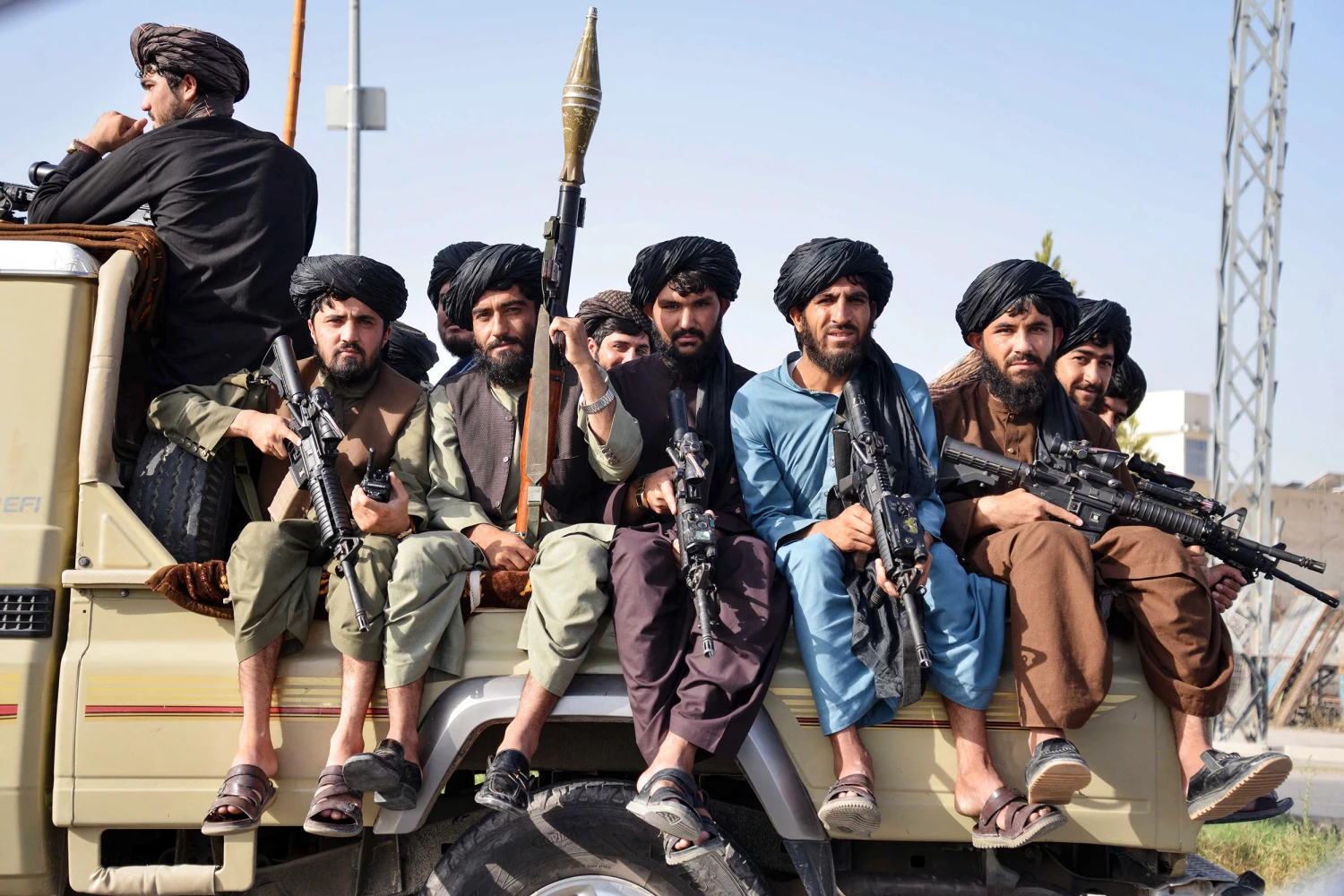
The federal government has begun the process of freezing the Tehreek-e-Labbaik Pakistan\’s funds (TLP). Since making Tehreek-e-Labbaik Pakistan a banned organization under the terrorism rules, Pakistan has begun imposing stringent restrictions on it. According to local media, the central party leadership\’s passports and bank accounts will be frozen. The procedure will follow under rule 11-E of the Anti-Terrorism Act 1997.
TLP Accused of Causing Anarchy in the Country
The Ministry of Interior issued a notification against Tehreek-e-Labbaik Pakistan (TLP). According to reports, the TLP is guilty of engaging in terrorism and harming the peace and stability of the country. The group\’s leadership and staff will have their arms licenses revoked. Similarly, the government has ordered the State Bank of Pakistan and the regional revenue authorities to terminate the organization\’s accounts and funds.
Provinces will Freeze All TLP\’s Properties
According to the notice, (TLP) was involved in actions that \”caused grievous bodily harm, injury, and death to law enforcement officers and innocent bystanders\”. Furthermore, the TLP obstructed vital medical supplies to hospitals. Alongside this, they “having used, harassed and overawed the administration and the public\”. Consequently, generating a feeling of terror and insecurity in society.
Resultantly, the government imposed a ban after three days of constant public harassment. The TLP took to the streets across Pakistan in protest of leader Saad Hussain Rizvi\’s detention. Another sit-in planned was by the TLP in Islamabad. However, Rizvi was arrested hence, the sit-in was called off. The sit-in was to protest against the government\’s actions. It was a consequence of the government\’s refusal to uphold a previous resolution that called for the French ambassador\’s expulsion.
Multiple Causalities Occurred Due to the Protest
Previously, Sheikh Rasheed, the Federal Interior Minister, had stated that the TLP\’s plans, which had recently organized demonstrations in numerous cities across Pakistan, were \”dangerous\”. The minister expressed his condolences to the wounded police and LEA staff.
The brutality was tragic, according to Rasheed, because the government was able to engage with demonstrators. He said the government had not reneged on its pledge to bring a bill to Parliament to address the religious party\’s demands.
Lastly, the clashes had erupted in many Pakistani cities. The violent protest sent many police officers and civilians to the hospital. Approximately, three civilians lost their lives and 100 police officers injured.

Your trusted source for insightful journalism. Stay informed with our compelling coverage of global affairs, business, technology, and more.