In the pre-dawn hours of January 3, 2026, the geopolitical landscape of the Western Hemisphere shifted on its axis. Under the cover of darkness, a precision military operation, dubbed Operation Southern Spear, saw US special forces and surgical airstrikes descend upon Caracas. By dawn, the world awoke to a startling announcement from President Donald Trump that Nicolás Maduro, the long-standing successor to Hugo Chávez, had been captured and flown out of the country to face trial in the United States. This action marks the most aggressive US military intervention in Latin America in decades, signaling a definitive end to the diplomatic stalemate that has defined the region for twenty-five years.
To understand the gravity of today’s action, one must understand Venezuela itself. Located on the northern coast of South America, Venezuela is a land of extreme contrasts, from the snow-capped Andes to the sun-drenched Caribbean coast. Historically, it was a beacon of relative stability in a region often plagued by juntas, thanks to its 1958 transition to democracy.
However, its true significance lies beneath the soil. Venezuela sits atop the world’s largest proven oil reserves, estimated at over 300 billion barrels, surpassing even Saudi Arabia. Beyond crude oil, the nation is rich in natural gas, gold, and blue gold (coltan), a critical mineral for the global tech industry. For over a century, these resources have made Venezuela a strategic prize, first as a reliable energy partner for the West, and later as a financial engine for a global anti-US movement.
The Roots of Rivalry
The friction between Washington and Caracas was not always the norm. For much of the 20th century, US oil giants like Exxon and Mobil were the architects of the Venezuelan economy. The two nations were locked in a symbiotic embrace: Venezuela provided the fuel for American industry, and the American capital modernized Venezuelan cities.
The breaking point arrived in 1999 with the election of Hugo Chávez. A charismatic former paratrooper, Chávez rode a wave of populist anger against a corrupt elite, promising a Bolivarian Revolution. He quickly pivoted the nation away from Washington, nationalizing oil assets and redirecting wealth toward social programs. The rivalry turned personal in 2002, when a short-lived military coup briefly ousted Chávez. Though he returned to power within 48 hours, Chávez remained convinced that the CIA had orchestrated the plot. From that moment on, the Yankee Imperialist became the central villain in the Venezuelan political narrative.
Chávez’s leadership extended far beyond rhetorical defiance as he spearheaded a systematic architectural shift in regional power. During his tenure, Venezuela experienced an unprecedented financial windfall as oil prices surged toward $100 a barrel. Billions of dollars flooded the state coffers, yet this historic opportunity to build a resilient, diversified economy was largely squandered. Instead of investing in infrastructure, domestic manufacturing, or agricultural independence, the government channeled these funds into unsustainable populist subsidies and grand geopolitical projects. This Dutch Disease left the nation dangerously dependent on a single commodity, ensuring that when oil prices eventually collapsed, the economy would follow.
To protect this fragile revolution from Western pressure, Chávez and later Maduro forged a formidable Axis with Russia and Iran. Moscow viewed Venezuela as a vital strategic outpost in the Western Hemisphere, supplying Caracas with billions in advanced weaponry while deploying nuclear-capable bombers for provocative training exercises. Simultaneously, Iran provided a critical lifeline by helping Caracas bypass US sanctions through ghost tanker oil swaps and gold-for-fuel transfers. This dual partnership allowed Tehran and Moscow to project power just a few hundred miles from the US border, creating a persistent security headache for the Pentagon.
What Led to Today?
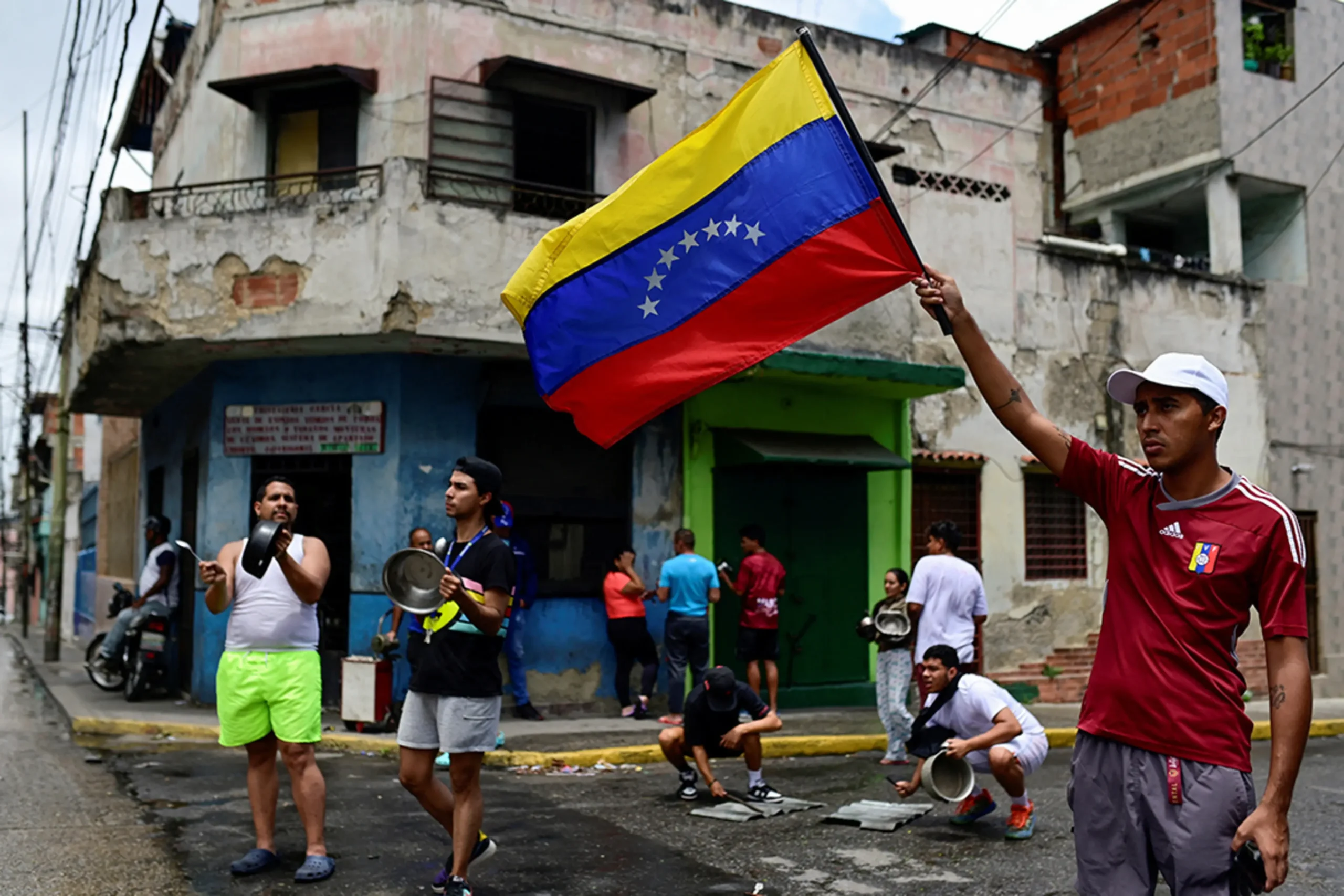
When Nicolás Maduro took the helm in 2013 following Chávez’s death, he inherited a revolution that was beginning to rot from within. A combination of plummeting oil prices, rampant corruption, and catastrophic economic mismanagement turned one of the wealthiest nations in Latin America into a humanitarian disaster zone.
By 2025, hyperinflation had rendered the local currency worthless, and over seven million Venezuelans had fled the country, creating a migration crisis that strained the entire continent. The internal breaking point came with the 2024 presidential election. Despite overwhelming evidence suggesting a victory for the opposition, led by María Corina Machado, Maduro claimed a third term. The subsequent crackdown on dissent, which saw thousands jailed, provided the moral and political justification for the Trump administration’s return to a maximum pressure campaign.
The catalyst for today’s military action, however, was the US Department of Justice’s 2020 indictment of the Venezuelan government as a narco-state. By framing the Maduro administration not as a political entity, but as a criminal cartel, the US moved the goalposts from diplomatic negotiation to law enforcement. Operation Southern Spear was the violent culmination of this logic.
Transition, Tutelage, and a New Order
The capture of a sovereign head of state by a foreign military is an event with few modern parallels, and its ramifications will echo far beyond the streets of Caracas. This action deals a staggering blow to the rules-based international order as defined by the United Nations Charter, which generally prohibits the use of force for regime change. Both Russia and China have already characterized the move as a flagrant violation of sovereignty. This could lead to a further fracturing of global institutions, as nations look to build security blocks that do not rely on Western-led legal frameworks.
However, the geopolitical victory is already being shadowed by the rhetoric emanating from Washington. President Trump’s declaration that the United States will oversee the governance of Venezuela until it is deemed safe for transition has sparked intense debate. The administration’s proposal to have American oil conglomerates lead the reconstruction of the nation’s energy infrastructure has been met with significant skepticism. To many observers, this framework reeks of a bygone era of colonialism and naked imperialism. By positioning the US as both the temporary sovereign and the primary architect of the economic recovery, Washington is treading a dangerous path, given that the USA’s record with nation-building in other countries is not exactly brilliant.
Critics argue that using private American corporations to rebuild state infrastructure in exchange for preferential resource access is not a humanitarian mission, but rather a corporate takeover backed by military force. The impact on global energy markets will be profound. With the world’s largest oil reserves poised for a reopening to Western capital, a surge in global oil supply could lower energy costs but will also intensify the tug-of-war over who controls the taps. For China, which is owed billions by the Maduro regime, the uncertainty of these debts remains a primary concern.
Ultimately, if this Caracas Model of intervention becomes the new standard for US foreign policy, it signals a move toward a transactional, unilateralist approach that prioritizes resource security over national sovereignty. Such a shift could embolden other global powers to pursue similar stabilization efforts in their own spheres of influence, potentially leading to a more fragmented and volatile international system where the strongest dictate the terms of existence for the rest. The Bolivarian dream of Hugo Chávez has met a thunderous, American-led end, but the road ahead for both Venezuela and the global order remains profoundly uncertain.