
The Myth of the Disputed Line: Why Afghan Pragmatism is Finally Overturning Populist Rhetoric
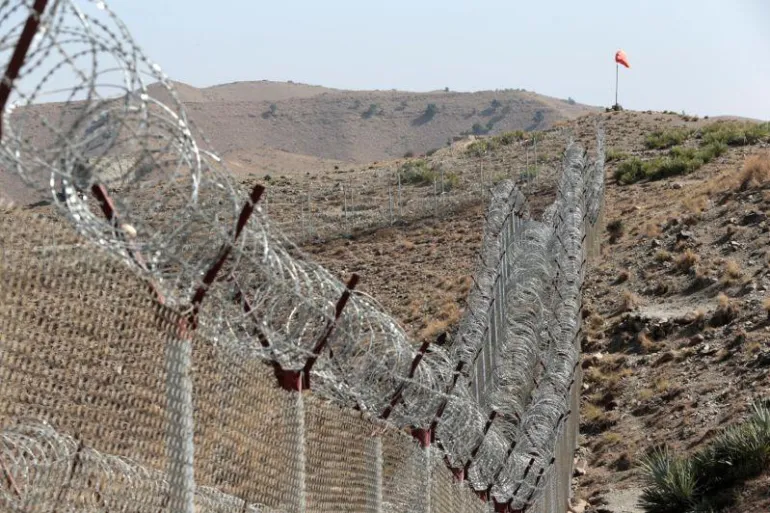
A transformative shift is emerging in Afghan political discourse as leaders like Mohammad Tahir Zuhair and the National Resistance Front (NRF) move toward formal recognition of the Durand Line. By prioritizing “historical realism” over populist rhetoric, these voices suggest that nearly 80% of Afghans seek peace and trade over territorial disputes. This shift offers a rare opportunity to transition Pak-Afghan relations from decades of suspicion to a strategic partnership rooted in internationally recognized boundaries. A transformative shift is emerging in Afghan political discourse as leaders like Mohammad Tahir Zuhair and the National Resistance Front (NRF) move toward formal recognition of the Durand Line. By prioritizing “historical realism” over populist rhetoric, these voices suggest that nearly 80% of Afghans seek peace and trade over territorial disputes. This shift offers a rare opportunity to transition Pak-Afghan relations from decades of suspicion to a strategic partnership rooted in internationally recognized boundaries.
Between History and State Power: The Durand Line in a Fragmented Afghan Political Landscape”
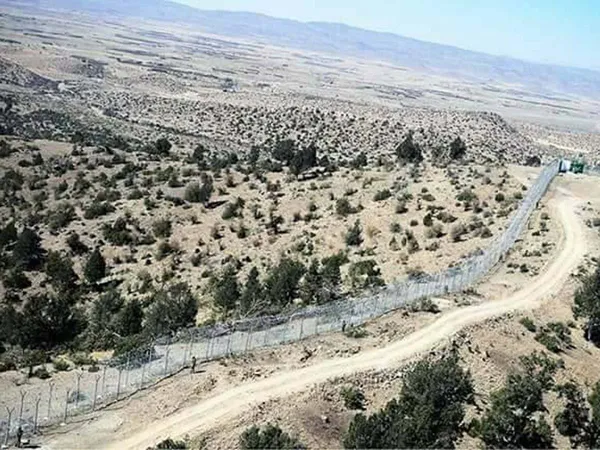
As internal Afghan factions shift toward territorial realism, the recognition of the Durand Line as a legal finality exposes the high cost of the Taliban’s extremist negligence and marks a watershed moment for regional stability.
Ghazab Lil Haq: Strategic Operationalization of the Pak-Afghan Buffer zone, Legality Under International Law, and the Role of IMCTC
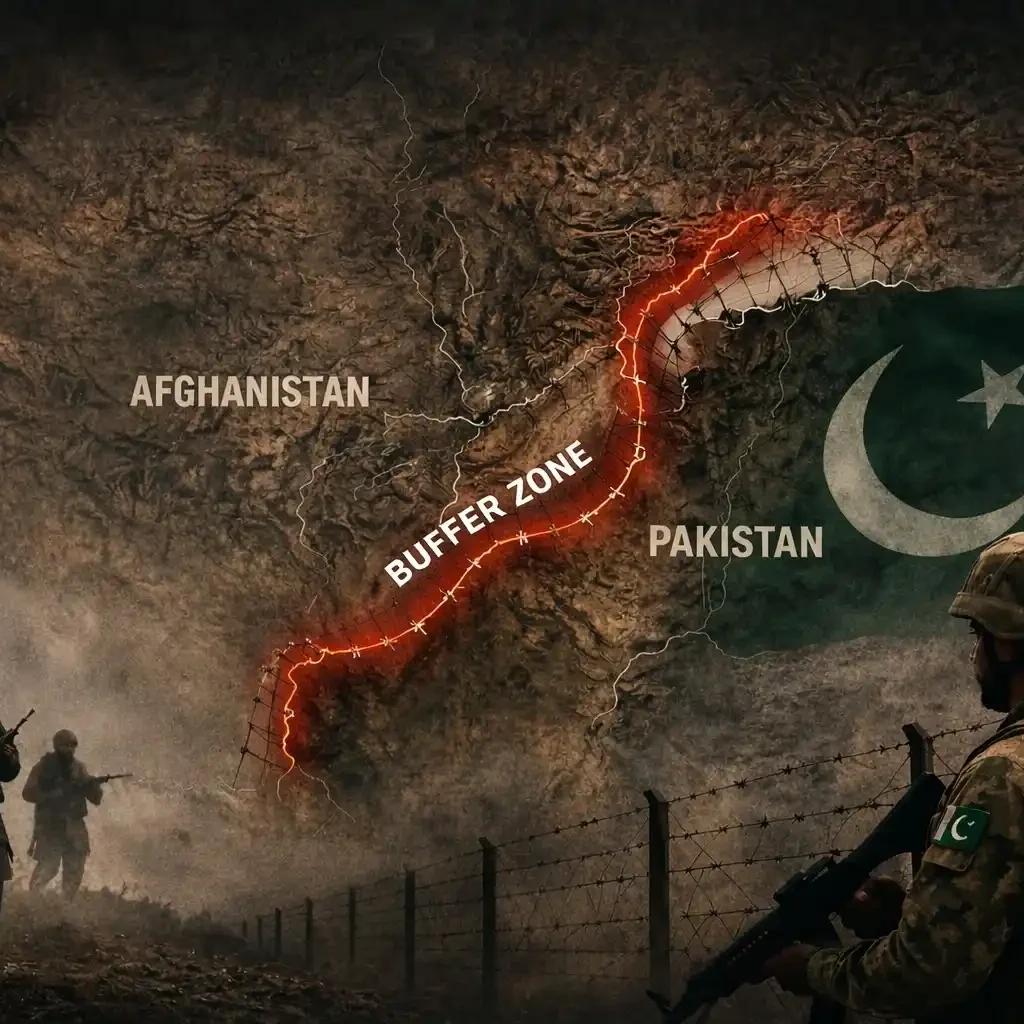
Explore the strategic proposal for a Pak-Afghan buffer zone to counter border threats. This feature examines international law justifications and the IMCTC’s role in regional security
Militancy, Borderization, and the Politics of a Frontier

The Durand Line’s transformation from a porous frontier to a fenced border is altering militant strategies, funding, and regional security. Jihadist networks like TTP and IS-K are adapting to these changes while local populations face social and economic pressures.
What is Durand Line?
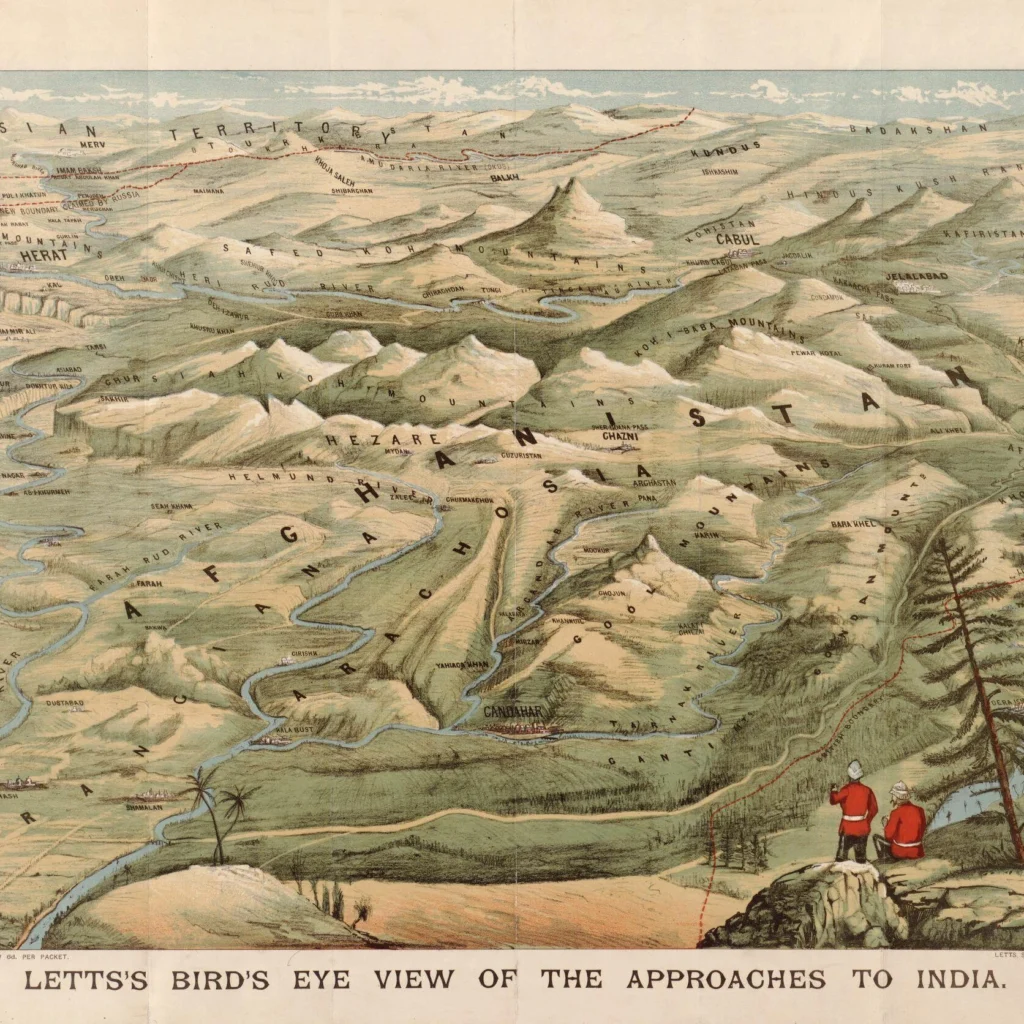
The Durand Line, a 2,670-kilometer border drawn in 1893 between Afghanistan and British India, remains one of South Asia’s many contentious frontiers. Rejected by every Afghan government but recognized internationally, it symbolizes the region’s colonial legacy and ongoing power struggles. This backgrounder explores its origins in the Great Game, the legal and political controversies surrounding it, and its lasting impact on Pakistan-Afghanistan relations and regional security.
Afghans in Pakistan: The Predicaments
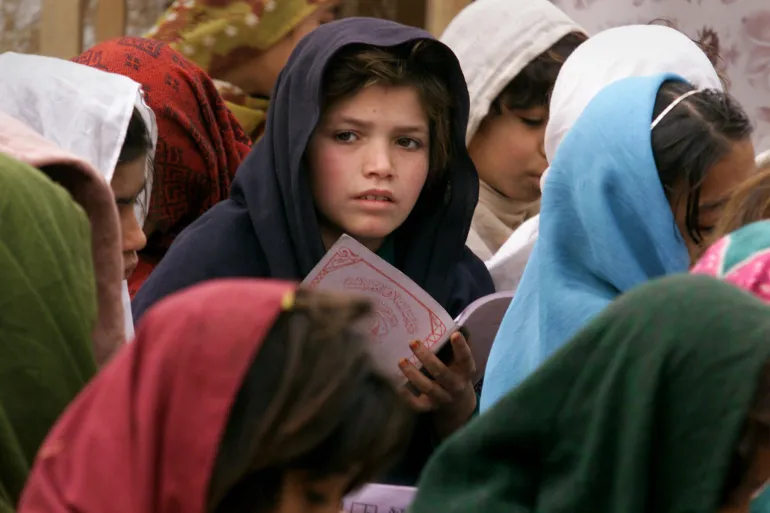
Despite a cross-border movement numbering thousands each day, Afghans have been subject to various procedural hassles upon their arrival in Pakistan. Effective regulation is urgently necessary to preserve the symbiotic relationship between the two nations.
Pakistan and the Afghan Taliban: Are the Tides Changing?
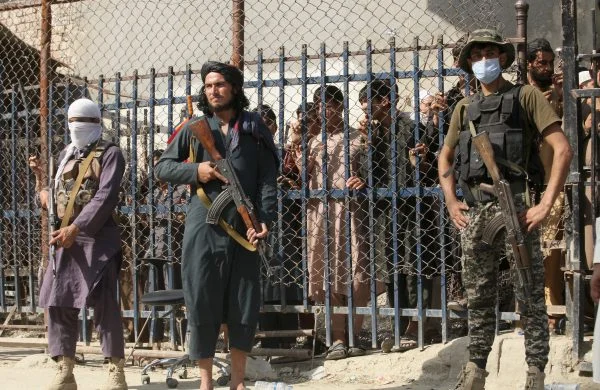
Pakistan wanted an ally on its west border that can oppose India and anti-Pakistan elements. Afghan Taliban being the ideologically driven faction emerged as indirectly favoring Pakistan. Though most of the Taliban are ethnic Pashtun, their ethnicity has never taken over their ideological identity, so in both respects, the Taliban were less detrimental to Pakistan’s security challenges.