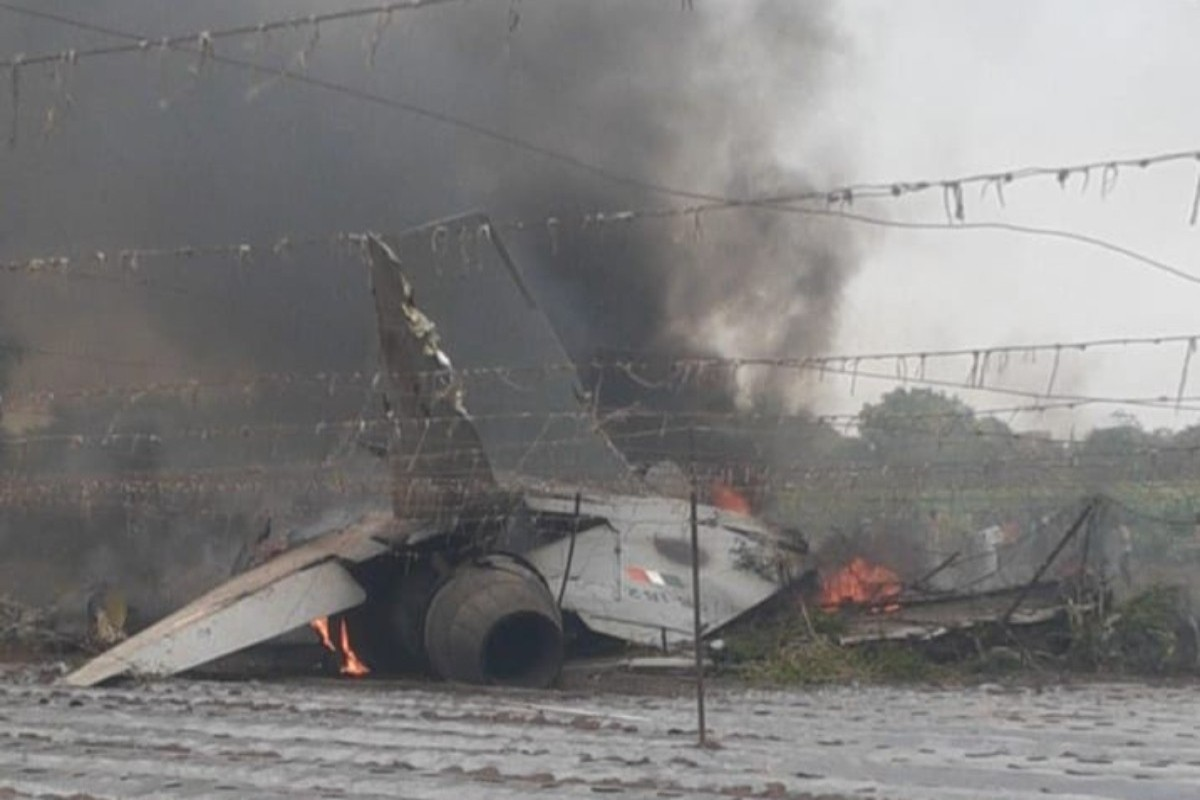
The tragic crash of a Sukhoi Su-30 MKI in Assam on March 5, 2026, serves as a grim coda to a narrative of systemic failure within the Indian Air Force (IAF). The loss of two pilots and a $60 million platform during a routine training mission is not merely an isolated tactical mishap; rather it is a scathing indictment of a defense establishment, which is haunted by a legacy of “flying coffins”. For an air force that prides itself on being a regional hegemon, the frequent incineration of its most advanced assets suggests a profound disconnect between its ambitions and ground reality.
The historical trajectory of the IAF is punctuated by a staggering rate of attrition that defies modern aviation standards. Since 1948, the IAF has lost approximately 1,800 aircraft. Notably, 90% of these losses occurred in non-combat environments—a statistic that translates to the destruction of one aircraft every 40 days for four decades. This blood-stained record stems from a trifecta of institutional rot: substandard maintenance protocols, chronic shortages of critical spare parts, and a procurement ecosystem frequently paralyzed by allegations of graft and corruption. Consequently, while the Indian government mandates a 42-squadron strength to maintain a two-front credible deterrence, the reality is a depleted fleet of roughly 30 squadrons, many of which remain grounded as airframes deteriorate in hangars.
The legacy of the MiG-21, finally decommissioned in 2025 after six decades of service, epitomizes this lack of accountability. Dubbed as the “Flying Coffin,” the platform claimed over 200 pilots across 400 crashes since 1963. While the transition to the Su-30 MKI was intended to herald a new era of dominance for the IAF, the five high-profile crashes of the Sukhoi fleet since 2014 reveal that the underlying issues—avionics malfunctions and human error within unforgiving airspace—have migrated to newer platforms. Even the HAL Tejas, the purported crown jewel of indigenous “self-reliance,” has failed to escape this cycle of tragedy. The fatal crash of Wing Commander Namansh Syal during the Dubai Airshow on November 21, 2025, exposed critical flaws in material integrity and glitchy flight control systems, shattering the myth of Indian aerospace parity.
Perhaps most damaging to the IAF’s prestige was the combat reality check during the Marka-e-Haq in May 2025. In sharp contrast from the state-sponsored narratives of technical superiority, the engagement with Pakistani J-10Cs—equipped with PL-15 long-range missiles—reportedly resulted in the loss of seven Indian jets, which also included the underdiscussion Su-30. The encounter exposed severe vulnerabilities in Indian radar integration and missile reliability. Under the pressure of actual kinetic warfare, the IAF’s technological “fantasies” dissolved into operational paralysis and panic, proving that superior hardware is useless when undermined by inferior training and flawed doctrine.
In sum, the Assam crash is a clarion call for an immediate and ruthless audit of India’s military-industrial complex. If the IAF is to transcend its reputation as a “paper tiger” that excels in briefings but falters in the clouds, it must purge the graft embedded in its procurement cycles, overhaul the manufacturing standards at Hindustan Aeronautics Limited (HAL), and implement rigorous, modernised training for its aviators. Without such a fundamental restructuring, India’s aspirations for regional air dominance will continue to be buried in the wreckage of its own equipment.