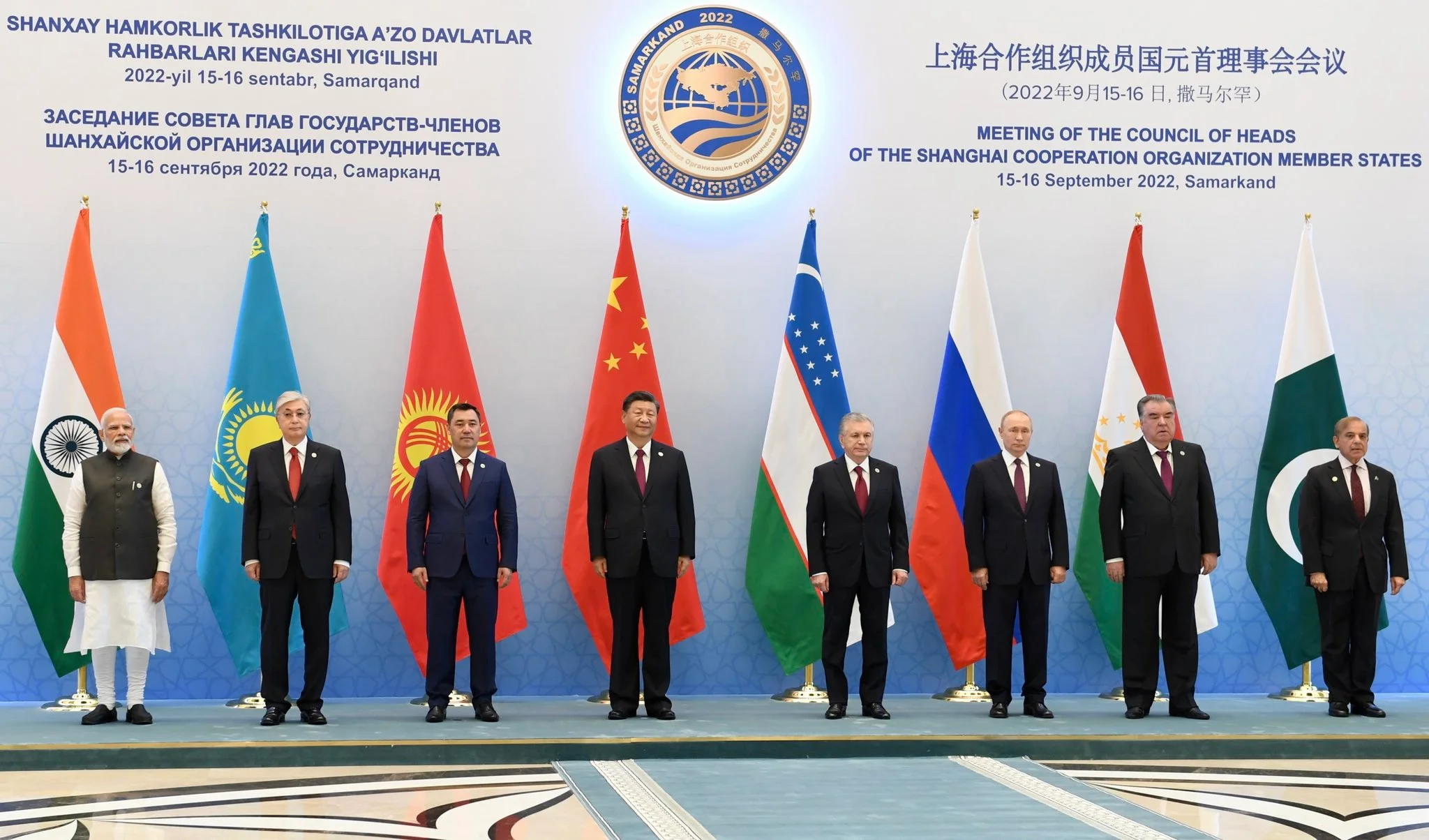
The annual summit of the Shanghai Cooperation Organization (SCO) Heads of State Council for 2022 was held over two days on September 15-16 in Samarkand, Uzbekistan. With its foundations firmly rooted in the Spirit of Shanghai, SCO is steered by the precepts of mutual trust and benefit, equivalent rights, consultations, adequate respect for diversity in cultures, and ambition to work toward common development.
Currently, SCO Summit 2022 has a remarkable geographical expanse of nearly 60% of Eurasia, accounting for a quarter of the global land area. In terms of population, it encompasses 41% of the world’s total, the cumulative numbers making it the largest of regional organizations. Moreover, its economic weight collectively exerts itself in accounting for 24 percent of global Gross Domestic Product (GDP) as of 2021.
Preceded by the Shanghai Five, a political association established in 1996 between Kazakhstan, China, Kyrgyzstan, Russia, and Tajikistan based on mutual security agreements on confidence-building in the military field and mutual reduction of armed forces in the border area, it was christened Shanghai Cooperation Organization with the addition of Uzbekistan to the original group in 2001. From its initial focus on undertakings to prevent terrorism, separatism, and extremism in Central Asia, it has evolved into a cooperative platform for member states covering broader domains of politics, trade, economy, science and technology, culture, education, energy, transportation, tourism, environmental protection, as well as retaining efforts toward regional peace, stability, and security.
SCO 2022: Samarkand Declaration
Continuing in the same spirit this year, the SCO Summit 2022 concluded with the signing of the Samarkand Declaration of the Council of Heads of State, touching upon the themes of regional peace, sustainable economic growth, strengthening of transport and connectivity, and endeavoring to create a more democratic, multipolar global order.
The annual SCO Summit 2022 drew headlines for more than just assembling influential regional leaders under the same roof.
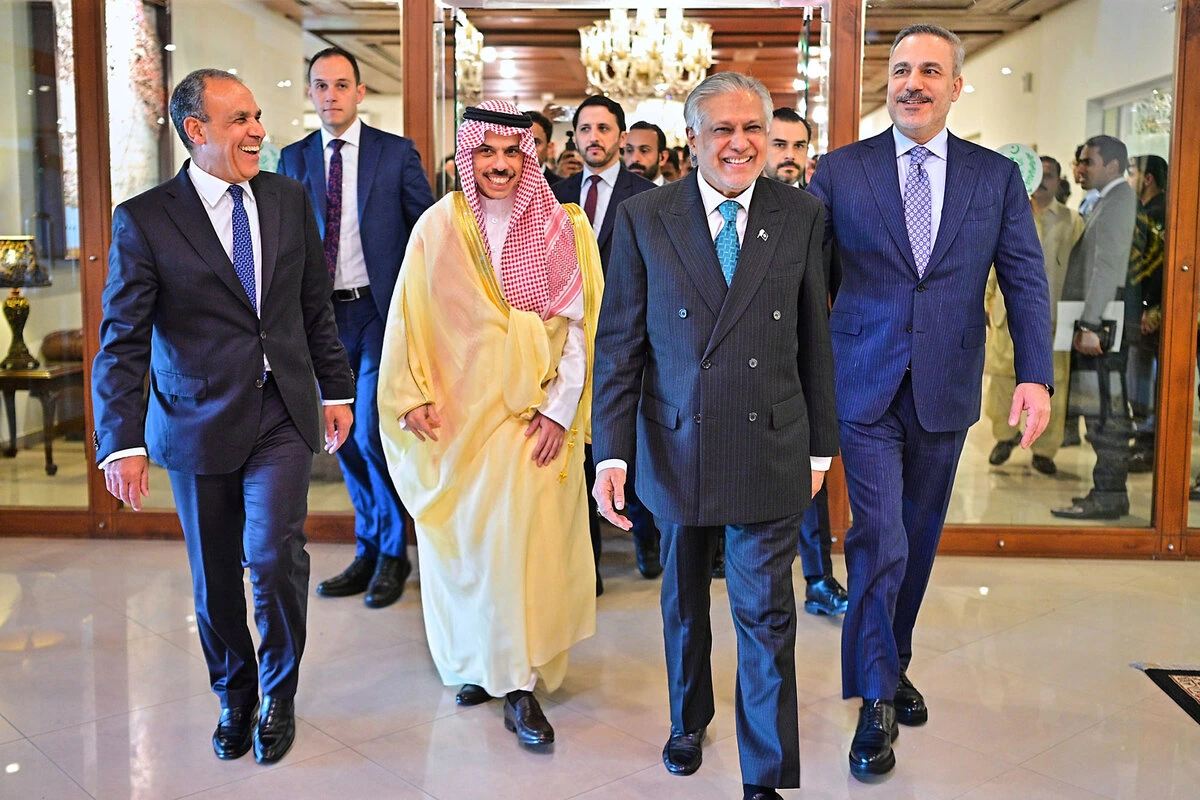
For one, it was the first occasion on which Russia’s Vladimir Putin and China’s Xi Jinping came face to face since the former’s invasion of Ukraine. Although Putin acknowledged Beijing’s concerns about the Ukraine crisis, he thanked the latter for assuming a “balanced position”. The two also extended mutual support on “core interests”, as well as working together for a just and rational international order. The Indian premier, Narendra Modi, was noted for apprising his Russian counterpart that the time was not one of war, albeit having hitherto refrained from explicitly condemning the invasion. He emphasized that the pandemic and ensuing Ukraine crisis had caused obstacles to supply chains and that the members should extend to each other the full right to transit to realize the true potential of connectivity. The remark was made in the presence of Pakistan’s Prime Minister, Shehbaz Sharif, contextually relevant to India’s lack of transit across Pakistani territory and the challenges it creates for Indian access to Central Asian markets.
For his part, Pakistan’s premier upheld the notion of regional connectivity, asserting in the same breath its vitality for access to Central Asian countries. Accentuating at length the devastation floods had caused in the country in the backdrop of climate change, he also went on to assert that peace for Pakistan was interlinked with the situation in Afghanistan, citing it as a mistake to ignore Afghanistan this time around. Hailing Pakistan’s fight against terrorism, he called upon the members to join hands in curbing the menace, while also advocating for empowering Afghanistan in the sphere of security and counterterrorism domain in addition to socioeconomic support to the Afghan population.
Besides commencing the procedure for Belarus’ accession; granting Egypt, Saudi Arabia, and Qatar the status of dialogue partners, the meeting also gave way for the signing of a memorandum of obligations on Iran’s SCO membership. Signifying Iran’s ‘Pivot to the East‘ policy, a bid to cultivate stronger ties between Eastern giants such as Russia and China, President Raisi told Putin that close cooperation among states sanctioned by the United States will render them stronger.
Additionally, the geostrategic value of Central Asian states to the SCO framework can not be understated, for it clearly remains the point of convergence of all domestic ambitions in the region.
Is SCO Possibly Becoming Anti-NATO?
Although SCO’s external policy is enacted on principles of non-alignment and non-targeting of any state, the larger conflict of interests between the west and the east, especially pronounced with the ongoing war in Ukraine, has led to an increasing suspicion in western circles as to the character of the organization becoming possibly anti-NATO. Presently, the idea seems dubious, considering that there are contentious subjects among member states even with apparent unanimity on the need for connectivity.
With Afghanistan’s representatives excluded from this year’s deliberations despite the country’s geostrategic position, the historically antagonistic nature of India’s relations with Pakistan, as well as the former’s border issues with China, and recent skirmishes between Kyrgyzstan and Tajikistan, leads one to leave the speculation on the emergence of a regional bloc for the future to validate.