Moscow, Russia, March 4, 2025 – Russian security forces have neutralized an alleged affiliate of the Islamic State Khorasan Province (ISKP) in Moscow, thwarting a planned terrorist attack on a synagogue and the city’s subway system. The Federal Security Service (FSB) reported that the suspect, a Russian citizen originally from a Central Asian country, intended to detonate improvised explosive devices at these locations and subsequently flee to Afghanistan.
According to the FSB, the suspect had pledged allegiance to ISKP, conducted reconnaissance of potential targets, and procured components for manufacturing explosive devices. During the arrest attempt on March 3, 2025, the individual resisted with firearms and was killed by return fire. Searches of his residence uncovered firearms, chemical components, and elements intended for improvised explosive devices.
This incident underscores the persistent threat posed by ISKP and raises concerns about Afghanistan’s role as a potential refuge for extremists. Despite assurances from the Islamic Emirate of Afghanistan (IEA) that no group is allowed to operate from its territory, the suspect’s plan to escape to Afghanistan after the attacks suggests that extremist networks continue to find sanctuary within the country. The presence of ISKP operatives linked to safe havens in Afghanistan has fueled apprehensions among regional powers about the group’s ability to exploit the country’s instability for transnational terrorism.
Also See: Russia Warns UN: ISIS May Have Access to U.S. Weapons in Afghanistan
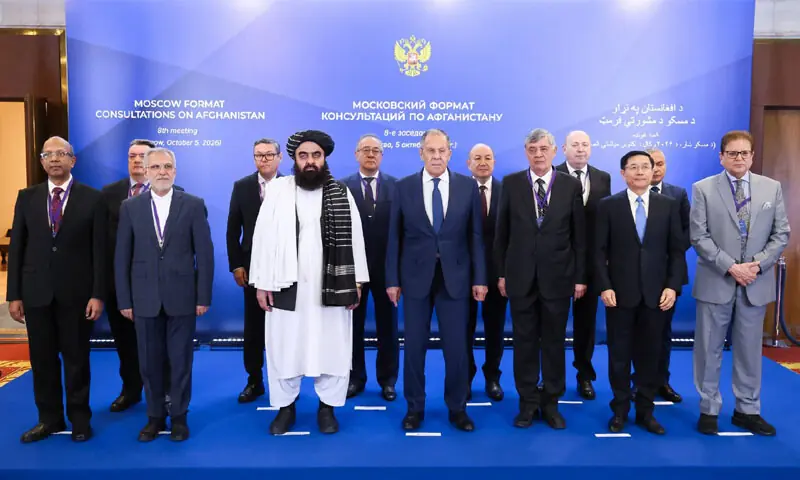
The development also comes months after Russia decided in October 2024 to temporarily lift the suspension on the Taliban, allowing limited engagement with Kabul. While Moscow has not officially recognized the IEA, its diplomatic outreach reflects a pragmatic approach driven by security concerns, particularly over ISKP’s growing threat. Russia, along with other Central Asian nations, remains wary of ISKP’s attempts to destabilize the region, reinforcing the need for coordinated security measures.
The FSB has initiated a criminal case under relevant articles of the Russian Criminal Code, reflecting the ongoing efforts of Russian authorities to combat terrorism and prevent attacks on civilian targets.
As ISKP continues to target international locations, counterterrorism experts emphasize the need for coordinated global efforts to prevent Afghanistan from becoming a permanent sanctuary for extremist networks. The plot thwarted by Russian security forces in Moscow serves as a stark reminder of the enduring and evolving threat posed by ISKP beyond Afghanistan’s borders.

Your trusted source for insightful journalism. Stay informed with our compelling coverage of global affairs, business, technology, and more.