Russia supplies India with $13 Billion in Arms, New Delhi plans to order $10 billion more
Russia supplies arms to India worth around US$13 billion during the past five years, and New Delhi has orders placed with Moscow for weapons and military equipment exceeding US$10 billion, Russian state news agencies reported late on Sunday (Feb 12).
India is the world’s biggest buyer of Russian arms, accounting for around 20 per cent of Moscow’s current order book, and New Delhi has not explicitly condemned Russia’s invasion of Ukraine. Indian Prime Minister Narendra Modi has called for dialogue and diplomacy to solve the conflict, now in its 12th month.
Scores of Western countries imposed sanctions on Russia, including on arms, in response to the invasion, which Moscow calls a “special military operation”.
Dmitry Shugayev, head of Russia’s Federal Service for Military-Technical Cooperation, reported that India, China, and several Southeast Asian countries remain interested in purchasing Russian arms. This continued interest highlights the demand for Russian military products in these regions.
“Despite the unprecedented pressure on India from Western countries led by the United States in connection with Russia’s special operation in Ukraine, it continues to be one of Russia’s main partners in the field of military-technical cooperation” Interfax agency quoted Shugayev as saying.
Annual arms exports were about US$14-15 billion, and the order book has remained steady at around US$50 billion, Interfax reported.
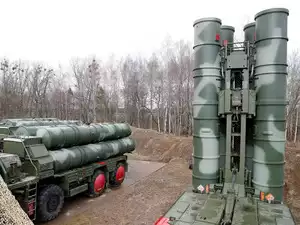
Asian customers, particularly, show interest in Russian S-400 Triumf missile defense, short-range missile systems, Su-30 warplanes, MiG-29 helicopters, and drones, Shugayev noted.
Russia’s TASS state news agency reported that at the 14th international aerospace exhibition Aero India 2023 in Bengaluru, Russia will showcase approximately 200 samples of weapons and military equipment.
India is seeking to acquire military planes worth billions and is finalizing deals for jetliners to meet civilian demand. The country is also urging global manufacturers to produce locally.
Original Source: Reuters