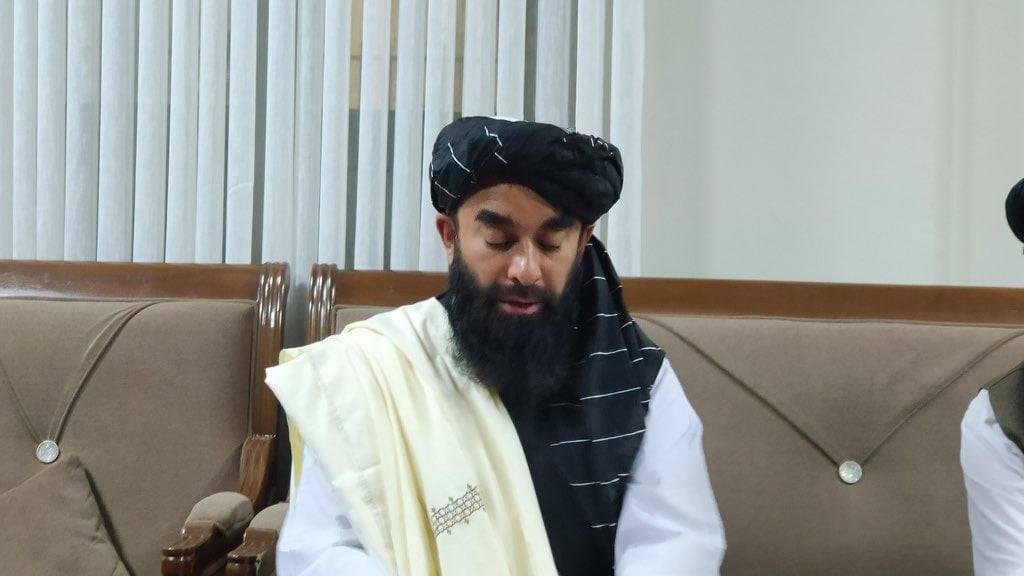
In a 13 February interview with TOLO News, Zabihullah Mujahid argued that sanctions were unjustified, downplayed regional security concerns, and rejected assertions that instability across neighbouring states was linked to developments inside Afghanistan. His remarks attempted to frame the issue as one of political misunderstanding rather than security-driven policy.
Contrary to Mujahid’s claims, existing sanctions are not simply remnants of the pre-2021 conflict architecture. International restrictions have remained in place because monitoring mechanisms continue to identify active militant ecosystems operating within Afghan territory. These measures are calibrated to risk, not ideology, and are periodically reviewed based on compliance benchmarks related to counterterrorism, financial oversight, and governance assurances.
Independent assessments have repeatedly highlighted the continued presence of multiple foreign militant contingents. The scale, thousands of fighters from diverse regional backgrounds, signals that the country has not fully transitioned from an insurgent sanctuary to a regulated state security environment. Such findings complicate official narratives of complete internal stabilization.
Cross-Border Violence and Regional Security Responses
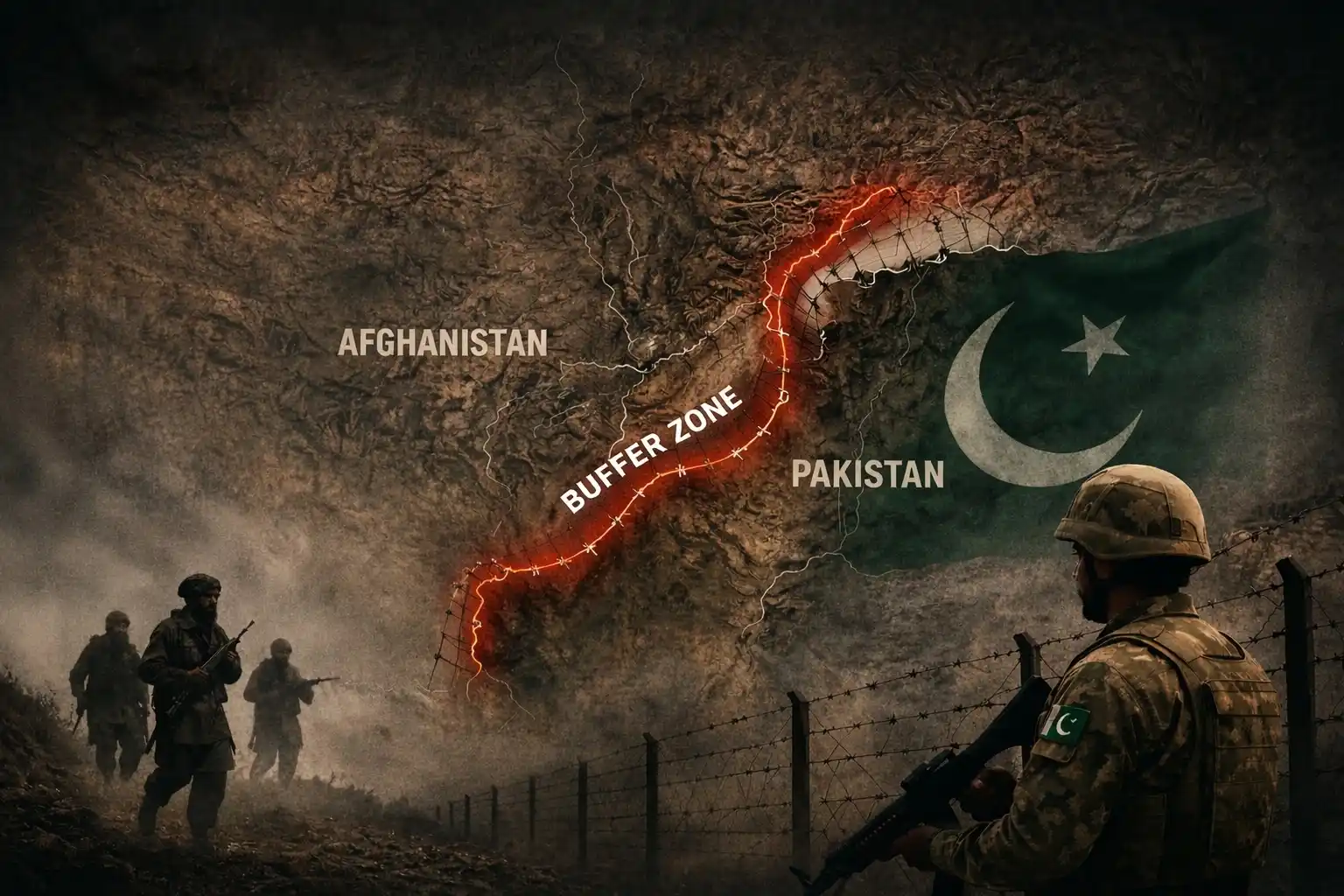
Mujahid’s assertion that neighbouring insecurity is unrelated to Afghanistan is challenged by the pattern of cross-border attacks claimed by groups historically aligned with the Afghan Taliban during the insurgency period. These incidents have driven kinetic responses, intelligence-based operations, and tightened border management by affected states. From their perspective, such measures are defensive reactions to demonstrated threats rather than diplomatic pressure tactics.
Security anxieties extend beyond South Asia. Regional alliances have increased force readiness and border surveillance in response to fears of militant transit routes shifting northward. Reinforcements, joint exercises, and enhanced monitoring infrastructure point to a shared assessment that instability has diffusion potential if left unchecked.
Frozen assets and financial safeguards are similarly tied to risk mitigation. International stakeholders remain concerned about opaque financial channels and the possibility of funds reaching sanctioned actors. Without verifiable auditing systems and transparent fiscal governance, financial normalization remains unlikely. The issue is therefore technical as much as political: confidence in financial compliance must precede reintegration into global systems.
Official assurances that Afghan soil will not be used against other countries remain central to diplomatic engagement. However, continued reporting of militant facilitation networks, recruitment pipelines, and ideological linkages undermines confidence in those guarantees. The gap between declaratory policy and observable realities has slowed diplomatic recognition and constrained broader economic engagement.
Instability in Afghanistan has historically demonstrated a tendency to radiate outward through refugee flows, illicit economies, and transnational militancy. Current indicators suggest that this structural pattern has not yet been decisively broken. Attacks affecting neighbouring populations and security forces reinforce the perception that the threat environment is exported rather than contained.
Conclusion
Mujahid’s narrative frames sanctions and regional distrust as politically motivated, yet available multilateral assessments suggest they are rooted in ongoing security calculations. For the international community, the pathway to normalization is conditional: demonstrable dismantling of militant networks, credible financial transparency, and sustained adherence to counterterrorism commitments. Until such benchmarks are verifiably met, pressure mechanisms are likely to persist, not as instruments of isolation for its own sake, but as leverage to shape behavioural change in a fragile regional landscape.