![Iran’s economy minister impeached as parliament blames him for inflation, currency woes, marking a setback for Pezeshkian. [Image via AFP]](https://southasiatimes.org/wp-content/uploads/2025/03/AFP__20250302__36Z2469__v1__Preview__IranPoliticsEconomyParliament-1740914142.webp)
Iran’s economy minister has been impeached after parliament voted to dismiss him amid rising inflation and a falling currency.
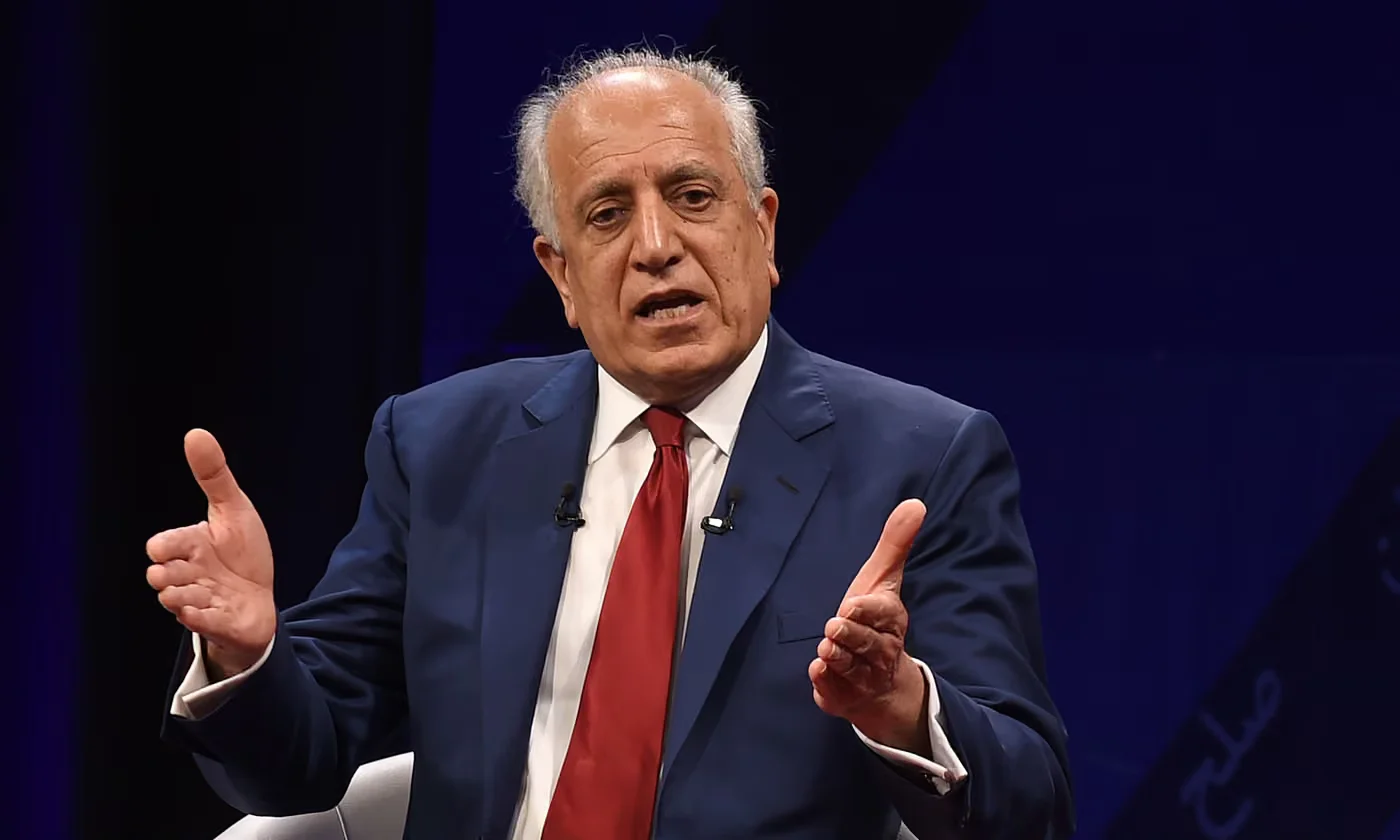
Abdolnaser Hemmati was removed from office after 182 of 273 lawmakers voted against him, conservative parliament Speaker Mohammad Bagher Ghalibaf announced on Sunday, just six months after moderate President Masoud Pezeshkian’s government took office.
In 2015, the Iranian rial was worth 32,000 to the United States dollar, but by the time Pezeshkian took office in July, it had plummeted to about 600,000 to the dollar on the open market.
Pezeshkian, who was present during the session of the Islamic Consultative Assembly on Sunday, defended Hemmati, a former central bank governor and presidential candidate. He told lawmakers: “We are in a full-scale [economic] war with the enemy. … We must take a war formation.”
“The economic problems of today’s society are not related to one person, and we cannot blame it all on one person,” he added.
During the impeachment proceedings, Mohammad Qasim Osmani, a lawmaker supporting Hemmati, argued that rising inflation and exchange rates were not the fault of the current government.
He pointed to the budget deficit left by the administration of hardline President Ebrahim Raisi, which he said contributed to the economic instability.

Also See: No Messages Exchanged Between Iran and US Since Trump’s Return, Says Iranian Deputy FM
First major blow to Pezeshkian’s government
Hardline lawmakers, who have been attacking Pezeshkian’s team since his government took office, argued that Hemmati was instrumental in Iran’s economic instability and could be “dangerous” for the country if allowed to remain in office.
Hosseinali Hajidaligani, a longtime hardline lawmaker, accused the minister of intentionally devaluing the national currency to fill government coffers with a short-term windfall that would cover budget deficits at the cost of harming the economy and average Iranians.
Hemmati rejected the accusations and pointed to a 10-percentage-point reduction in inflation. He admitted that inflation still remained high, standing at 35 percent. He told lawmakers that his team was working hard to address the issue but warned that the process would take time.
Hemmati emphasised that Iran’s 2015 nuclear deal with world powers, which US President Donald Trump unilaterally abandoned in 2018, is now at a critical juncture. Western powers party to the deal have only until October to activate its “snapback” mechanism, which could reinstate all United Nations sanctions against Iran.
Supreme Leader Ali Khamenei has stressed that Tehran will not negotiate under the “maximum pressure” policy of hawks in Washington. Pezeshkian told parliament on Sunday that he wanted to negotiate but changed his stance after the supreme leader’s remarks.

The economy minister’s pleas of unity were ultimately ignored, and the vote against Hemmati marked the first time hardline MPs have succeeded in removing a senior official in the administration of centrist Pezeshkian. However, Hemmati is unlikely to be cut out of the government because impeached ministers have been appointed as special advisers to the president on numerous occasions before.
Looking to challenge and influence the government’s policies, some lawmakers are continuing efforts to oust former Foreign Minister Mohammad Javad Zarif from the position of strategic adviser to the president.
Rampant local mismanagement and corruption paired with decades of US-led sanctions have battered Iran’s economy. Amid the expanding fallout of Israel’s war on Gaza and blows dealt to the Iran-led “axis of resistance” in recent months, public concern over further economic instability has only risen.
For the past three months, Iran has been forced to shut down key services across the country due to a lingering energy crisis.
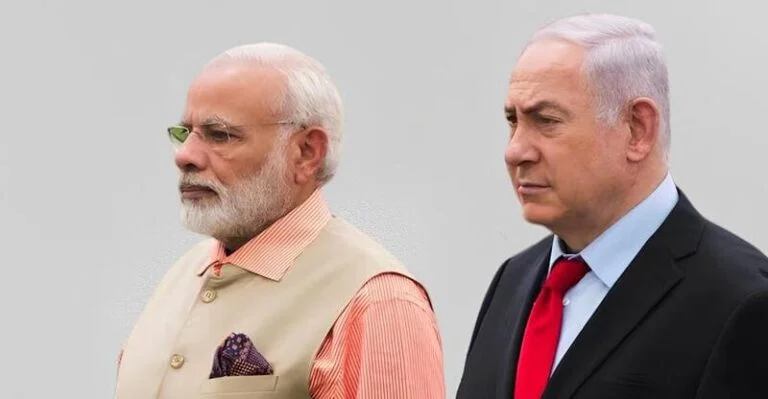
US and Israeli officials, including Trump and Israeli Prime Minister Benjamin Netanyahu, continue to regularly threaten to bomb Iran and its nuclear and energy facilities over Tehran’s advancing nuclear programme.
This news is sourced from Al Jazeera and is intended for informational purposes only.