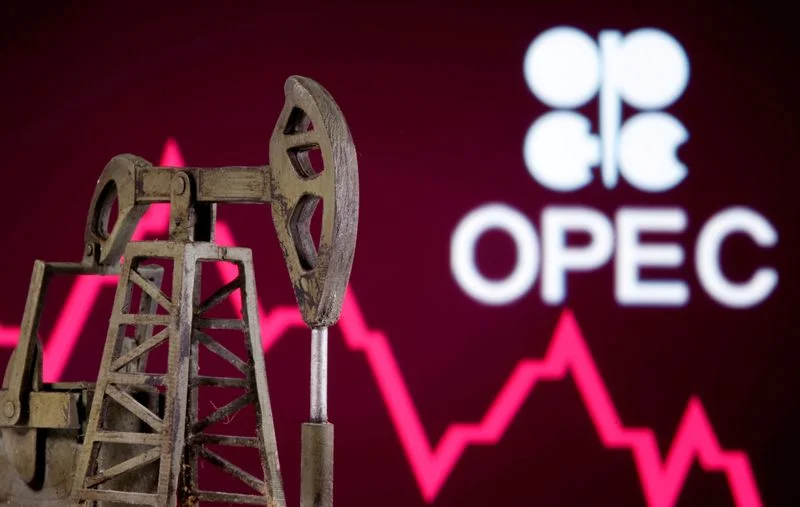
Oil cuts between OPEC+ countries extend recovery for major Gulf stocks

Oil cuts between OPEC+ countries extend recovery for major Gulf stocks

Around the world, major stock markets have responded positively to the oil cuts agreed upon by
major OPEC and non-OPEC oil producers until late July. Countries like Nigeria and Iraq have
been asked to cut production by OPEC and other oil-producing countries, primarily led by
Russia, known as OPEC+. The organization, OPEC+ had planned to cut production by 9.7
barrels per day (BPD) by May and June and then from July till September the cut would be
reduced to 7.7 million (BPD).

All of these oil cuts have led to an increase in the benchmark stock index of Saudi Arabia,
which has witnessed an increase of 0.9%. The Saudi oil behemoth, Armarco, also witnessed a
rise of 0.8%.

Dubai also witnessed an increase in its index by 2.3%, which was primarily led by Dubai Islamic
bank as it rose by 5.4%, whereas Emaar Properties saw a gain of 3.1% in the same time frame as
well.

The first Abu Dhabi Bank increased by 2.4% which led an overall recovery for Abu Dhabi by
1.3%.

Moreover, Qatar, the shining bright light of the Middle East also witnessed a climb in their
index by 1.4%, with most of their components leaning towards a positive outlook. Qatar
Islamic Bank rose by 2.5% and the petrochemicals maker Industries Qatar was also up by 2.9%
All of these indicators are viewed positively by the market, however, their sustainability hinges
on the long term prospect of oil cut agreement between OPEC+ countries. Though up till now it
is not clear whether Saudi Arabia, Kuwait, and the United Arab Emirates would extend their
voluntary cuts beyond June, these cuts are approximately 1.18 million BPD, which are originally
not part of the deal.

Also See: The Bulls and Bears Of Oil Demand

Bulletin

Bulletin

Your trusted source for insightful journalism. Stay informed with our compelling coverage of global affairs, business, technology, and more.

Recent

Pakistan completes repayment of $3.45 billion to UAE

The End of Patient Capital: How Pakistan’s Balance Sheet Became a Battlefield

The April 2026 fluctuations in Pakistan’s foreign reserves mark the definitive end of “patient capital” in Gulf diplomacy. As the UAE withdrew $3.45 billion and Saudi Arabia countered with a multi-year extension, the sovereign deposit was transformed from a neutral financial tool into a binary political referendum. Pakistan’s balance sheet now serves as a live map of regional realignment, proving that in the new Middle East, strategic neutrality carries a precise fiscal value.

Read More »
Durand Line – A Binding International Border

The Myth of the Disputed Line: Why Afghan Pragmatism is Finally Overturning Populist Rhetoric

A transformative shift is emerging in Afghan political discourse as leaders like Mohammad Tahir Zuhair and the National Resistance Front (NRF) move toward formal recognition of the Durand Line. By prioritizing “historical realism” over populist rhetoric, these voices suggest that nearly 80% of Afghans seek peace and trade over territorial disputes. This shift offers a rare opportunity to transition Pak-Afghan relations from decades of suspicion to a strategic partnership rooted in internationally recognized boundaries. A transformative shift is emerging in Afghan political discourse as leaders like Mohammad Tahir Zuhair and the National Resistance Front (NRF) move toward formal recognition of the Durand Line. By prioritizing “historical realism” over populist rhetoric, these voices suggest that nearly 80% of Afghans seek peace and trade over territorial disputes. This shift offers a rare opportunity to transition Pak-Afghan relations from decades of suspicion to a strategic partnership rooted in internationally recognized boundaries.

Read More »