Numerous Convicted in the Imran Farooq Assassination Case

Numerous Convicted in the Imran Farooq Assassination Case

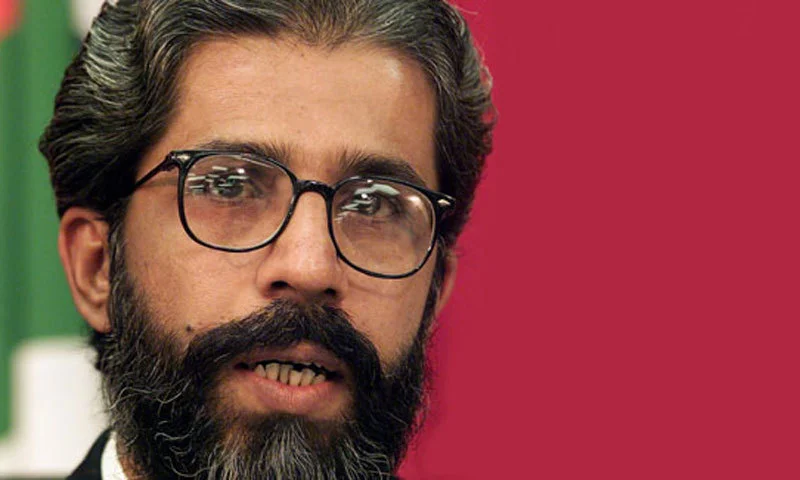
Pakistani courts have sentenced several people in the Imran Farooq murder case, a prominent politician. Farooq was living in exile in north London and was killed 10 years ago.

Imran Farooq had been living in exile in the UK since 1999. He left Pakistan to avoid being put in custody over several legal cases against him in Karachi. He later pursued political asylum in the UK. His membership of MQM had been suspended at the time of his death.

On 16th September 2010, he was repeatedly clubbed with a house brick and stabbed in Edgware upon coming back home from work.

Farooq’s assassination sparked rioting in Karachi. Karachi is not only Farooq’s native city but also the birthplace of the Muttahida Qaumi Movement (MQM).

Scotland Yard’s counter-terrorism command, SO15, investigated the killing, speaking to more than 4,000 witnesses and collecting more than 4,500 pieces of evidence.

In Islamabad, on Thursday, 18th June 2020, the court named Mohsin Ali Syed, 35, and Muhammad Kashif Khan Kamran, 40, guilty of murder and conspiracy to murder. Syed has been sentenced to life imprisonment, whereas, Kamran was convicted in his absence and is wanted by Pakistani authorities. Two other men, who are inmates at the Rawalpindi jail, Moazzam Ali and Khalid Shamim, were also convicted for their involvement in the killing. Iftikhar Hussain and Mohammad Anwar were also named as fugitives in the case, and are to be arrested by Pakistani or British authorities.

The court also issued an arrest warrant for the head of the MQM, Altaf Hussain, declaring that he had given the go-ahead for the murder. Hussain has denied allegations and maintains that Farooq was like a brother to him.

MQM has been long accused of using extortion, murder, and other unlawful means to cement its grip on power in Karachi. They were also accused of inciting, condoning, and committing ethnic violence in the city throughout the recent past.


News Desk

Your trusted source for insightful journalism. Stay informed with our compelling coverage of global affairs, business, technology, and more.

Recent

A critical analysis of Drop Site News’ report alleging a UK–Pakistan “swap deal,” exposing its reliance on anonymous sources, partisan framing, and legally impossible claims.

Anonymous Sources, Big Claims, Thin Ground

A recent Drop Site News report claims a covert UK–Pakistan exchange of convicted sex offenders for political dissidents. But a closer look shows the story rests on hearsay, anonymous insiders, and a narrative shaped more by partisan loyalties than evidence. From misrepresenting legally declared propagandists as persecuted critics to ignoring the legal impossibility of such a swap, this report illustrates how modern journalism can slip into activism. When sensational claims outrun facts and legality, credibility collapses, and so does the line between holding power accountable and manufacturing a story.

Read More »
A sharp critique of Zabihullah Mujahid’s recent evasive remarks on the TTP, exposing Taliban hypocrisy and Afghan complicity in cross-border militancy.

Zabihullah Mujahid’s Bizarre Statement on TTP: A Lesson in Hypocrisy and Evasion

Zabihullah Mujahid’s recent statement dismissing the TTP as Pakistan’s “internal issue” and claiming Pashto lacks the word “terrorist” is a glaring act of evasion. By downplaying a UN-listed militant group hosted on Afghan soil, the Taliban spokesperson attempts to deflect responsibility, despite overwhelming evidence of TTP sanctuaries, leadership, and operations in Afghanistan. His remarks reveal not linguistic nuance, but calculated hypocrisy and political convenience.

Read More »
Beyond the Rhetoric: What Muttaqi’s Address Reveals About Afghan Policy

Beyond the Rhetoric: What Muttaqi’s Address Reveals About Afghan Policy

Interim Foreign Minister Amir Khan Muttaqi’s recent address sought to reframe Afghanistan’s strained ties with Pakistan through a narrative of victimhood and denial. From dismissing cross-border militancy to overstating economic resilience, his claims contradict on-ground realities and historical patterns. A closer examination reveals strategic deflection rather than accountability, with serious implications for regional peace and security.

Read More »
We Want Deliverance

We Want Deliverance

Political mobilization in South Asia is not rooted in policy or institutions but in a profound yearning for deliverance. From Modi’s civilizational aura in India to Imran Khan’s revolutionary moral narrative in Pakistan, voters seek not managers of the state but messianic figures who promise total transformation. This “Messiah Complex” fuels a cycle of charismatic rise, institutional erosion, and eventual democratic breakdown, a pattern embedded in the region’s political psychology and historical imagination.

Read More »