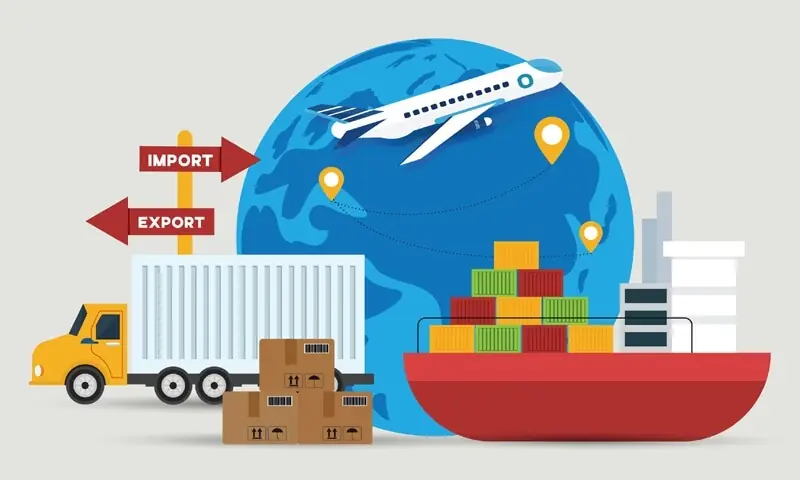
The government of Nepal has allocated Rs 140 million for economic diplomacy. The foreign ministry has confirmed that the aforementioned sum would go into organizing events regarding National day.
Moreover, since the world is battling with the pandemic, the government has not assigned sufficient resources against economic slowdown. Government officials seem to voice concern over the neglect in promoting investment and aid.
“Due to the pandemic, Nepal’s foreign currency earning sectors such as tourism and remittances are on a decline,” said former Vice-chair of National Planning Commission Govinda Raj Pokharel. Pokharel further added, \”Rs 140 million for economic diplomacy is not enough.”
Resource allocation
As per officials, Rs 1 to 2 million hardly deployed annually for use of the Nepali mission abroad. However, of the total 39 missions, those in India, China, the US, and the UK get around Rs 60 million annually.
A Nepali diplomat says there is hardly any budget left to boost investment and trade ahead of National Day.
Like many other countries, observing economic diplomacy plays a crucial role in the economic outlook of Nepal. However, the expert says budgetary allocation does not suffice the need of Nepali missions to take possible investors aboard.
Revised budgetary allocation
In response to complaints levied against the budget, the finance ministry increased the sum from 100 million to 140 million. The missions complained that funds do not even meet the requirement of arranging two programs annually.
The Ministry of foreign affairs has also released RS 20 million from its own budget from last year.
Why the strain
Ministry of Finance justifies the act of not being generous towards budgetary allocation. The ministry has its own reasons for doing so unless the results confirm the economic progress.
“Until a few years ago, several embassies failed to spend the money allocated to them or used the money for different purposes,” said a joint secretary at the ministry.
The joint secretary says that the government follows a traditional approach. It approves of a program, allocates budget, and then takes feedback on the proceeding afterward.
How should Nepal act in the present time
The joint secretary after spending years in the Nepali mission abroad stresses bringing reforms. The secretary said that following old policies won’t yield results since the times have changed.
“If Nepal needs to promote its trade, tourism, export and attract foreign aid, it needs to invest in hiring public relations firms, and reach out to investment firms,” he said
Misuse of the available resource
In the latest report by the Financial Comptroller general office, Rs 664million are spent under unaccounted transactions. The figure equals to 21 percent of the GDP.
The country does not seem to lag behind in foreign funding, be it debt or grants. However, internal inconsistencies should be accountable for letting the funds being used in vain.

Your trusted source for insightful journalism. Stay informed with our compelling coverage of global affairs, business, technology, and more.