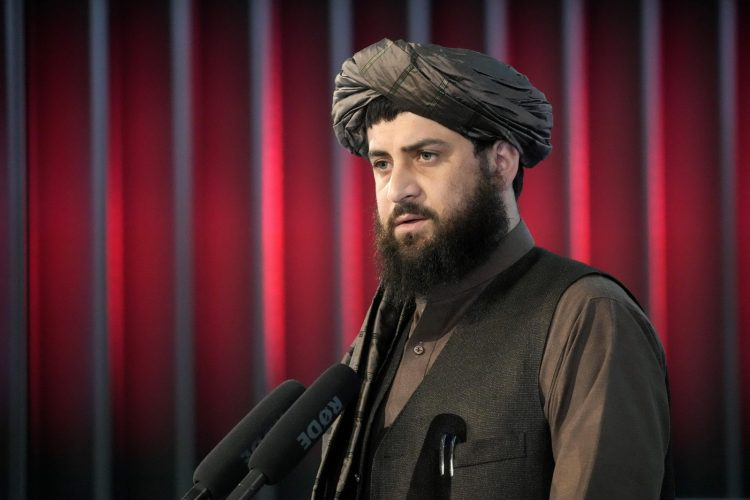
The relations between Pakistan and Afghanistan have hit an all-time low in recent years. This deterioration of the relations between the two states can be attributed to the presence of Tehrik-i-Taliban Pakistan (TTP). The issue has gained renewed attention following a recent interview by Afghanistan’s Defence Minister, Mullah Mohammad Yaqoob Mujahid, in which he declined to label the TTP as a terrorist organisation and instead referred to its members as “refugees.” His remarks have further deepened mistrust between the two neighbouring states and raised serious questions regarding the Taliban government’s willingness to address Pakistan’s core security concerns.
In the interview with TOLOnews, Mullah Yaqoob rejected Pakistan’s expectation that the Afghan Taliban should designate the TTP as a terrorist group and take action against its members residing in Afghanistan. His statement, “Who can explain to Pakistan that your terrorist is not our terrorist?”, was particularly revealing. First, it implicitly acknowledged the presence of TTP members within Afghan territory. Second, and more significantly, it signalled the Taliban leadership’s refusal to recognise the group as a terrorist organisation. This position is particularly controversial given that the TTP is widely recognised internationally as a terrorist organisation and has been designated as such by Pakistan and several other countries due to its long record of attacks targeting civilians, security forces, and public institutions. Such remarks therefore reinforce Islamabad’s long-standing suspicion that the Afghan Taliban and the TTP maintain ideological affinity and operational understanding.
The Taliban leadership has consistently framed the TTP issue as Pakistan’s internal problem rather than a cross-border security threat. They have reiterated, time and again, that Afghan soil was not being used for attacks against Pakistan and urged Islamabad to resolve its security challenges through dialogue. This narrative, however, stands in sharp contrast to reports from multiple sources indicating that senior militant figures, including TTP chief Noor Wali Mehsud, Hafiz Gul Bahadur Group (HGBG) chief Hafiz Gul Bahadur, Balochistan Liberation Army (BLA) chief Bashir Zeb and other wanted militants are being sheltered in Kabul’s Green Zone, and that they are still operating from Afghanistan.
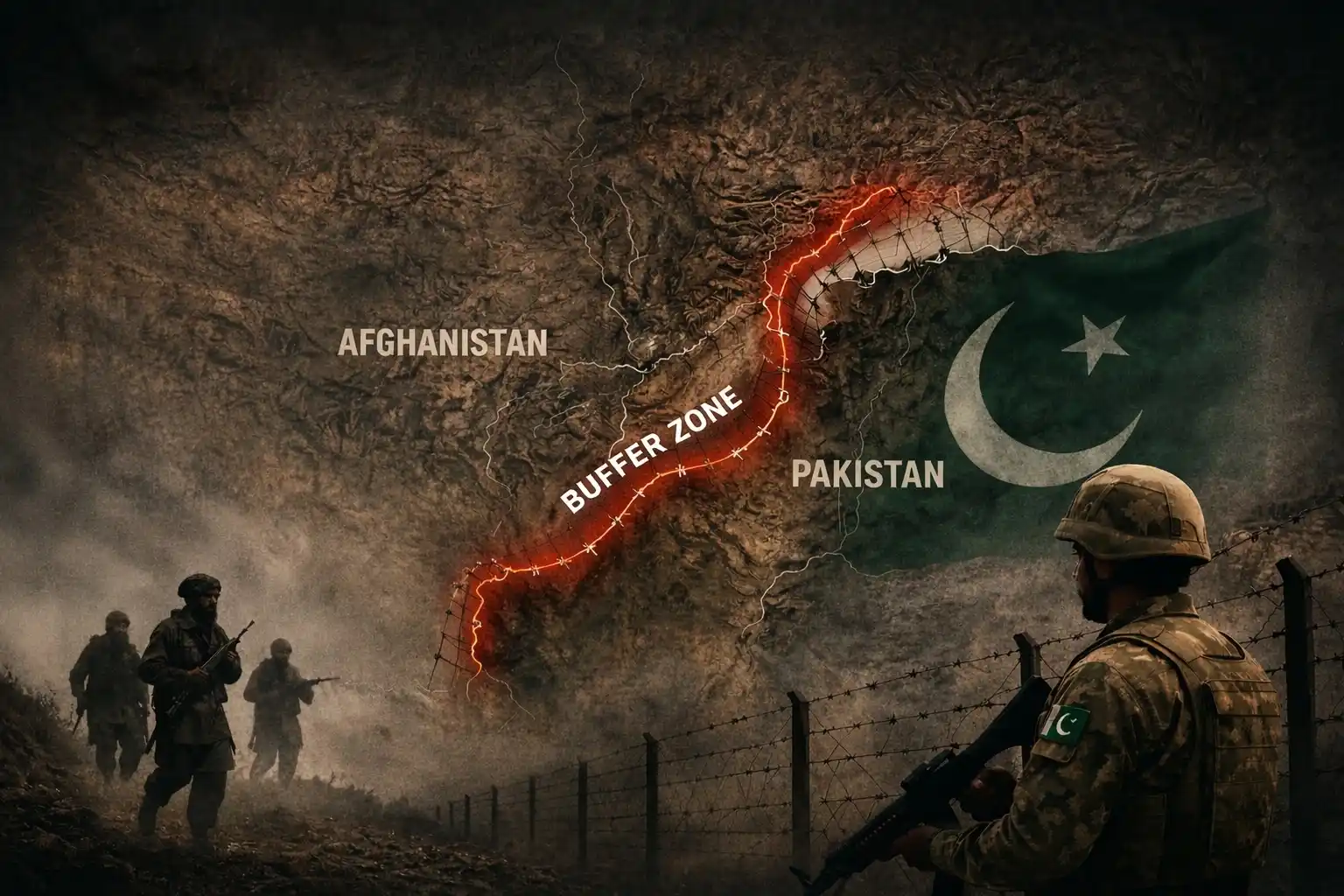
Taken together, these developments strongly indicate that the Afghan Taliban are neither inclined nor willing to take decisive action against the TTP. Their posture on the issue has remained largely consistent over time: they did not act against the group in the past, and there is little evidence to suggest that they will do so in the future. In this context, Pakistan must recognise the reality confronting it and proceed accordingly. The continuation and expansion of operations such as Operation Zarb-e-Lil-Haq therefore becomes not merely a policy option but a strategic necessity aimed at dismantling militant sanctuaries that continue to threaten Pakistan’s internal security.
There is little doubt that the days ahead, potentially, can be quite challenging for Pakistan in the context of this conflict as all the major factions of Pakistan Taliban, including TTP, Hafiz Gulbahadar, and Jammat-ul-Ahrar, have announced that they will launch widespread attacks across Pakistan in defence of the Afghan Taliban, which implies that Pakistan can potentially be entangled in a protracted conflict along the western border.
However, Pakistan must avoid being drawn into this extended and draining confrontation. Instead, it should act swiftly and decisively to neutralise the threat so that it can redirect its attention to other emerging challenges in the evolving geopolitical environment especially. In particular, the rapidly unfolding developments in the Middle East following the recent US-Israel attack on Iran, as well as persistent security pressures along Pakistan’s eastern border, demand sustained strategic focus.
By failing to restrain the TTP and subsequently launching attacks against Pakistan, the Afghan Taliban have effectively provided Islamabad with a clear casus belli. It has provided Pakistan with an opportunity to take the war to them and finish the job once and for all. However, it shall require a clarity of thought on our part regarding what will constitute success for us in the conflict, which is simple: a total annihilation of the terrorist sanctuaries in Afghanistan so they cease to pose any significant threat to Pakistan.
In the worst-case scenario, if this desired outcome cannot materialise due to continuous facilitation and patronage of these terror outfits by the Afghan Taliban and its growing role as a proxy for India, then that leaves no option for Pakistan but to aim for regime change in Kabul. How this shall happen is a separate matter that warrants a separate article. But for now, this clarity of mind regarding our objectives is all that matters for navigating this increasingly turbulent time.