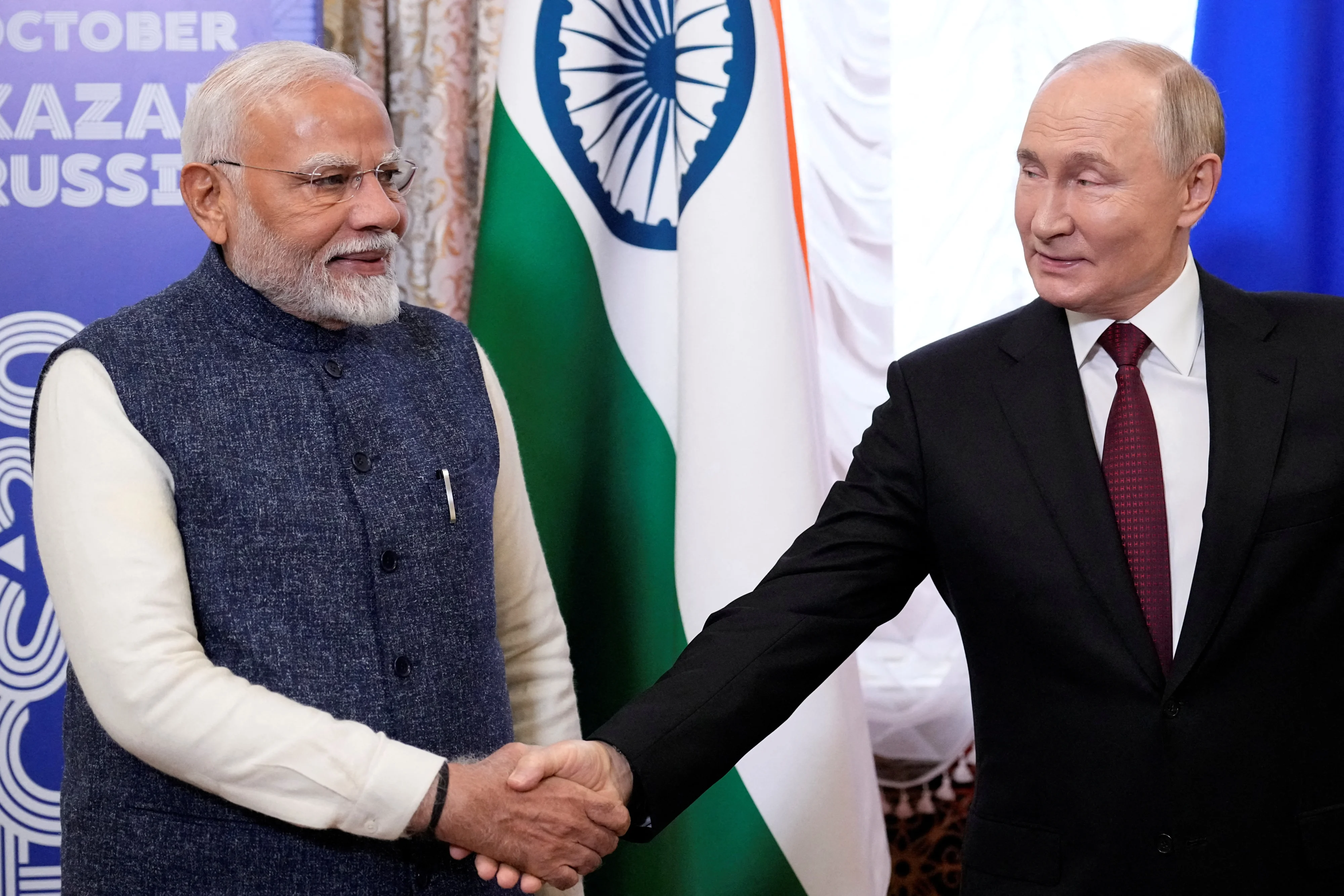
Narendra Modi, India’s Prime Minister, told Russian President Vladimir Putin on the eve of the BRICS summit that he wanted peace in Ukraine. He expressed that New Delhi was ready to help achieve a truce. This effort aims to end Europe’s deadliest conflict since World War Two.
Putin, who ordered tens of thousands of troops into Ukraine in February 2022, wants the BRICS summit to showcase the rising clout of the non-Western world after the United States and its European and Asian allies tried to isolate Russia over the war.
Russia is expecting 22 leaders, including Chinese President Xi Jinping who arrived on Tuesday, to attend the summit meeting of the BRICS, which accounts for 45% of the world’s population and 35% of the global economy.
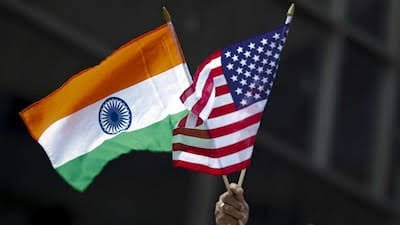
Putin, labeled a war criminal by the West, thanked Prime Minister Modi for accepting his invitation to visit Kazan, a city on the banks of the Volga, and emphasized that Russia and India share a “privileged strategic partnership.”
Modi expressed gratitude to Putin for his “strong friendship,” praised the growing cooperation and evolution of BRICS, and stated that India believes the conflict in Ukraine should end peacefully.
“We have been in constant touch on the subject of the ongoing conflict between Russia and Ukraine,” Modi said. “We believe that problems should be resolved only through peaceful means.”
“India fully supports the early restoration of peace and stability. All our efforts give priority to humanity. India is ready to provide all possible support in the times to come,” he said, adding that he would discuss the issues with Putin.
Expanding Membership and Geopolitical Tensions
The BRICS summit takes place as global finance chiefs gather in Washington amid war in the Middle East as well as Ukraine, a flagging Chinese economy and worries that the U.S. presidential election could ignite new trade battles.
With BRICS expanding – and a waiting list of potential members – there is anxiety among some about whether expansion will make the group unwieldy.
China and India, the top purchasers of Russian oil, have difficult relations, while there is little love lost between Arab nations and Iran.
Also See: Palestine to Seek BRICS Membership After October Summit
SECURITY INTERESTS
When asked by BRICS reporters about the prospects for peace, Putin said that Moscow would not trade away the four regions of eastern Ukraine that it says are now part of Russia and that Moscow wants its long-term security interests taken into account in Europe.
Two Russian sources said that, while there was increasing talk in Moscow of a possible ceasefire agreement, there was nothing concrete yet – and that the world was awaiting the result of the Nov. 5 presidential election in the United States.
Russia, which is advancing, controls about one fifth of Ukraine. This includes Crimea, which it seized and unilaterally annexed in 2014. Russia also controls about 80% of the Donbas, a coal-and-steel zone that comprises the Donetsk and Luhansk regions. Additionally, it holds over 70% of the Zaporizhzhia and Kherson regions.
Putin said the West had now realised that Russia would be victorious, but that he was open to talks based on draft ceasefire agreements reached in Istanbul in April 2022.
On the eve of the BRICS summit, Putin met with United Arab Emirates President Sheikh Mohammed bin Zayed Al Nahyan for informal talks that went on until midnight at his Novo-Ogaryovo residence outside Moscow.
BRICS
Putin has praised both Sheikh Mohammed and Saudi Crown Prince Mohammed bin Salman, who will not attend the summit in Kazan, for their mediation efforts over Ukraine.
“We are ready to make any efforts to resolve crises and in the interests of peace, in the interests of both sides,” Sheikh Mohammed told Putin.
Brazilian President Luiz Inacio Lula da Silva cancelled his trip following medical advice to temporarily avoid long-haul flights after a head injury at home.
Jim O’Neill, then-chief economist at Goldman Sachs, coined the acronym BRIC in 2001 in a research paper that highlighted the massive growth potential of Brazil, Russia, India, and China this century.
Russia, India and China began to meet more formally, eventually adding Brazil, then South Africa, Egypt, Ethiopia, Iran and the United Arab Emirates. Saudi Arabia has yet to formally join.
The International Monetary Fund forecasts that BRICS will increase its share of global GDP to 37% by the end of this decade. In contrast, the Group of Seven major Western economies will see their share decline to about 28% from 30% this year.
Russia is seeking to convince BRICS countries to build an alternative platform for international payments that would be immune to Western sanctions.
This news is sourced from Reuters and is intended for informational purposes only.

Your trusted source for insightful journalism. Stay informed with our compelling coverage of global affairs, business, technology, and more.