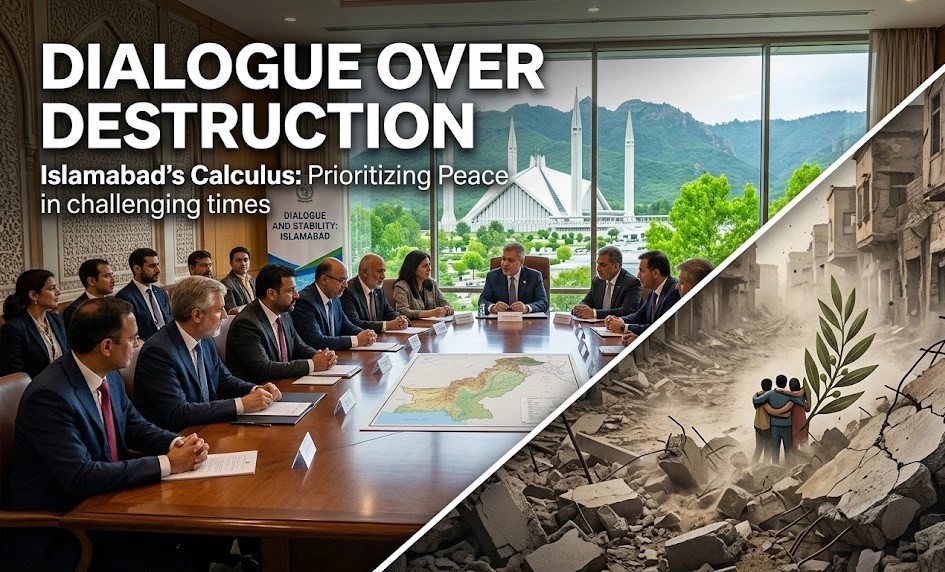
German Foreign Minister Meets Shah Mehmood Qureshi in Islamabad

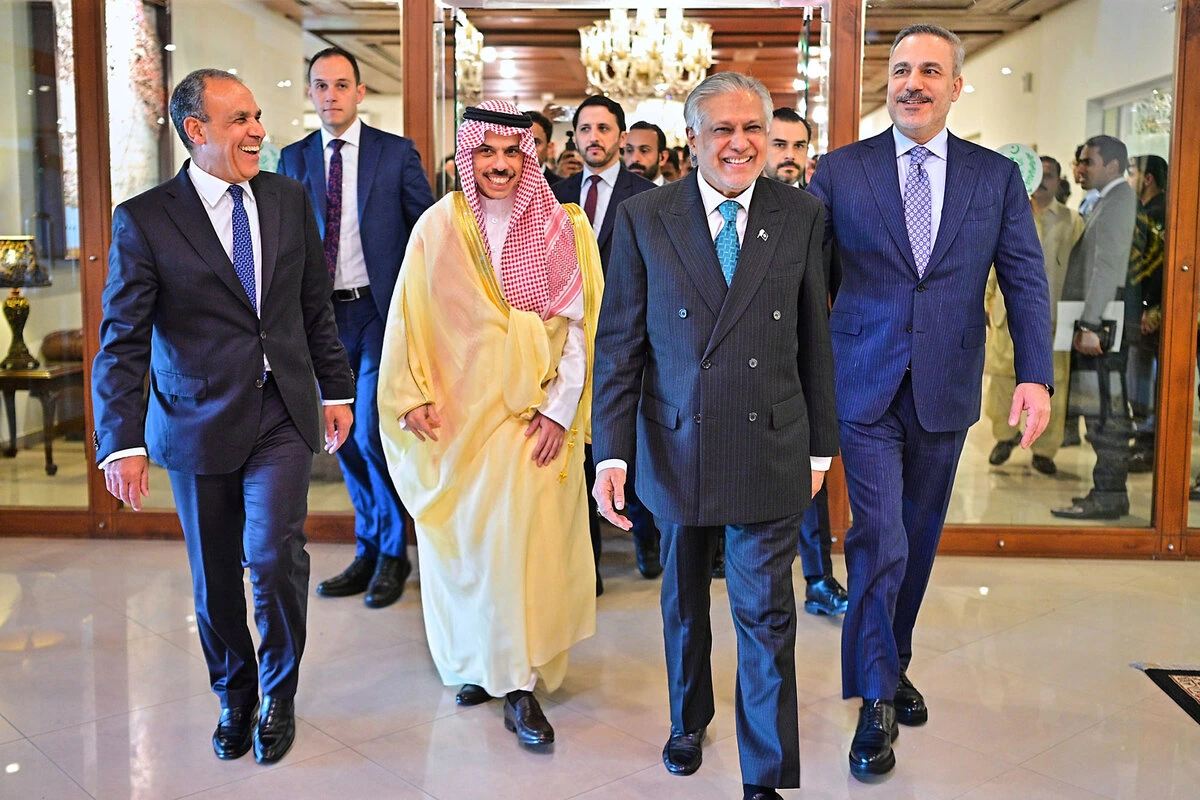
German Foreign Minister Heiko Maas paid a brief visit to Islamabad to meet his Pakistani counterpart Shah Mehmood Qureshi. This visit comes as a response to Shah Mehmood Qureshi’s visit to Berlin earlier this month.

70th Anniversary

The visit marks the 70th anniversary of the establishment of diplomatic relations between the two nations. Shah Mehmood paid his gratitude to Heiko Maas for the warm and fruitful welcome by the Germans. The foreign ministers exchanged kind words before discussing serious topics related to the interest of both nations.

COVID Fight

Heiko and Qureshi discussed the bilateral cooperation and its intensification to battle the ongoing third wave of COVID-19. The third wave has surged the COVID cases around the world, especially in the subcontinent. Shah Mehmood thanked the German Foreign Minister for the effort put in by Germany to promote the COVAX initiative.

Afghan Peace

The German Foreign Minister appreciated the role Pakistan was playing in the development of peace and prosperity in the region. He specified this topic in the context of Afghanistan. He said that Pakistan has played a vital role in establishing the talks between the world and the Taliban. Heiko appreciated the dedication of Pakistan in achieving peace in Afghanistan.

In response, Shah Mehmood Qureshi appreciated German support. He further told that the withdrawal of troops from Afghanistan is being closely observed by Pakistan. Likewise, adequate steps will be taken to ensure a safe evacuation of troops. Moreover, Qureshi warned of some countries that were trying to disrupt the ongoing peace process and are trying to undermine any possibility that can lead to ultimate peace in Afghanistan. Shah Mehmood added that the stakeholders must take precautions and ensure peace in Afghanistan through political settlement and not through force. Pakistan’s foreign minister highlighted that peace in Afghanistan will benefit the region with enhanced trade links and regional connectivity.

Shah Mehmood emphasized the fact with change in time and change in the environment in the region, Pakistan has decided to change its foreign policy as well as internal policies (that have a major role in foreign policy) without challenging national security. He said that this shift was from geo-political to geo-economic, as it will be conducted while securing economic, as well as, defence of the region.

Both foreign ministers later celebrated the 70th anniversary of cooperation between the two countries. The event highlighted the important events that took place during these 70 years of cooperation and bilateral ties.


News Desk

Your trusted source for insightful journalism. Stay informed with our compelling coverage of global affairs, business, technology, and more.

Recent

A critical analysis of Drop Site News’ report alleging a UK–Pakistan “swap deal,” exposing its reliance on anonymous sources, partisan framing, and legally impossible claims.

Anonymous Sources, Big Claims, Thin Ground

A recent Drop Site News report claims a covert UK–Pakistan exchange of convicted sex offenders for political dissidents. But a closer look shows the story rests on hearsay, anonymous insiders, and a narrative shaped more by partisan loyalties than evidence. From misrepresenting legally declared propagandists as persecuted critics to ignoring the legal impossibility of such a swap, this report illustrates how modern journalism can slip into activism. When sensational claims outrun facts and legality, credibility collapses, and so does the line between holding power accountable and manufacturing a story.

Read More »
A sharp critique of Zabihullah Mujahid’s recent evasive remarks on the TTP, exposing Taliban hypocrisy and Afghan complicity in cross-border militancy.

Zabihullah Mujahid’s Bizarre Statement on TTP: A Lesson in Hypocrisy and Evasion

Zabihullah Mujahid’s recent statement dismissing the TTP as Pakistan’s “internal issue” and claiming Pashto lacks the word “terrorist” is a glaring act of evasion. By downplaying a UN-listed militant group hosted on Afghan soil, the Taliban spokesperson attempts to deflect responsibility, despite overwhelming evidence of TTP sanctuaries, leadership, and operations in Afghanistan. His remarks reveal not linguistic nuance, but calculated hypocrisy and political convenience.

Read More »
Beyond the Rhetoric: What Muttaqi’s Address Reveals About Afghan Policy

Beyond the Rhetoric: What Muttaqi’s Address Reveals About Afghan Policy

Interim Foreign Minister Amir Khan Muttaqi’s recent address sought to reframe Afghanistan’s strained ties with Pakistan through a narrative of victimhood and denial. From dismissing cross-border militancy to overstating economic resilience, his claims contradict on-ground realities and historical patterns. A closer examination reveals strategic deflection rather than accountability, with serious implications for regional peace and security.

Read More »
We Want Deliverance

We Want Deliverance

Political mobilization in South Asia is not rooted in policy or institutions but in a profound yearning for deliverance. From Modi’s civilizational aura in India to Imran Khan’s revolutionary moral narrative in Pakistan, voters seek not managers of the state but messianic figures who promise total transformation. This “Messiah Complex” fuels a cycle of charismatic rise, institutional erosion, and eventual democratic breakdown, a pattern embedded in the region’s political psychology and historical imagination.

Read More »