In the socio-political architecture of the Islamic Emirate of Afghanistan, the fatwa (religious decree) serves a function far distinct from its role in secular or hybrid Muslim states. It is not merely a non-binding legal opinion but a primary instrument of statecraft and governance. The Taliban’s political model relies entirely on the convergence of religious legitimacy and executive power, thus, a fatwa issued by senior Ulema (scholars) and endorsed by the Supreme Leader carries the weight of constitutional law.
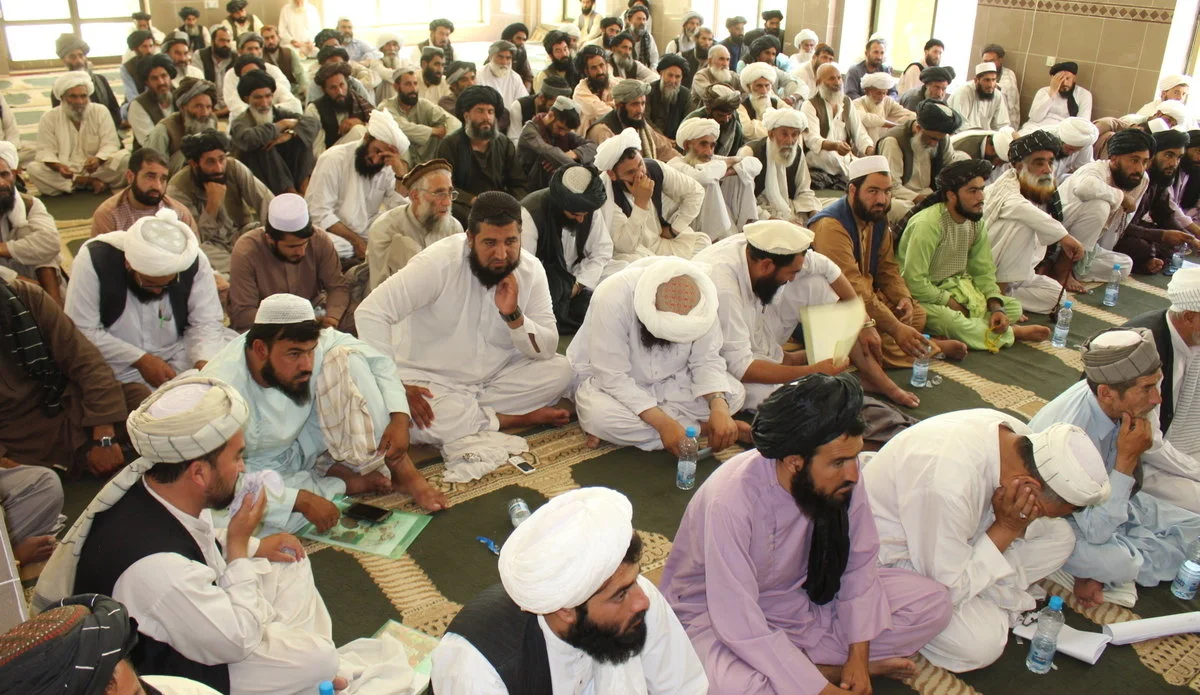
It is within this jurisprudential framework that one must analyze the recent gathering of clerics and tribal elders in Kabul. Their declaration, that foreign militancy is impermissible and that Afghan soil must not be utilized against neighboring states, represents a significant theological intervention in regional geopolitics.
However, this development presents a complex paradox. While the decree offers a theological basis for non-aggression, a historical analysis reveals a stark dichotomy between these jurisprudential pronouncements and the operational realities on the ground. This development emerges at a critical juncture where the regime faces an economic stranglehold and a security crisis with its neighbors, raising a fundamental question: Is this a genuine strategic pivot grounded in religious doctrine, or just another delay tactic designed to alleviate diplomatic isolation?
Geopolitical Pressures
The timing of this clerical gathering is unlikely to be coincidental, occurring against a backdrop of intensifying scrutiny from Washington. In the United States, the “Defund Taliban” narrative is gaining unprecedented traction. Legislative momentum is building, with questions being raised regarding the stalled Senate bill following the House’s passage of legislation aimed at severing indirect financial lifelines to the regime. The optics of US taxpayer money potentially stabilizing a regime that harbors groups hostile to Western interests has become a volatile domestic political issue in the US. The declaration from Kabul can be interpreted as a direct, albeit asymmetric, response to this pressure. The Taliban understands that the flow of humanitarian aid and the potential unfreezing of assets are contingent on their behavior regarding counter-terrorism. By mobilizing the Ulema to issue a fatwa against foreign militancy, the Taliban is attempting to speak the only language they claim to respect, Islamic jurisprudence, to signal compliance to the West without appearing to capitulate to secular demands.
While the Western front presents economic risks, the northern front presents an immediate security crisis that contradicts the very essence of the new fatwa. Recent intelligence reports indicate a significant consolidation of Uyghur terror groups, specifically the Turkistan Islamic Party (TIP), within northern Afghanistan. Contrary to the clerics’ declaration of non-aggression, these groups have launched kinetic strikes into Tajikistan from Afghan bases. This development is geopolitically explosive, suggesting that Al-Qaeda is evolving its strategy by activating proxies, using smaller, ethnically distinct groups like the TIP to project power and harass Central Asian neighbors while maintaining a veneer of deniability for the Taliban leadership. Furthermore, internal ethnic fault lines are exacerbating these tensions. The recent assassination of a prominent Turkmen elder in Mazar-e-Sharif highlights a growing ethnic cleavage.
Ideological Contradictions and Diplomatic Skepticism
For Pakistan, the declaration theoretically validates a long-standing position, that Afghan territory acts as a launchpad for cross-border terrorism. The specific urging within the declaration to enforce bans on fighters traveling abroad aligns with Islamabad’s security imperatives. Diplomatic circles in Islamabad may view the statement as a necessary first step, a recognition of the problem. However, historical precedence necessitates caution. The trajectory of Pakistan-Taliban engagement is characterized by similar commitments that faced challenges in implementation. This skepticism is rooted in a central analytical challenge: the ideological structure of the Taliban and its relationship with the Tehrik-e-Taliban Pakistan (TTP). The TTP has sworn Bay’ah (allegiance) to Hibatullah Akhundzada, the Taliban’s Supreme Leader (Amir-ul-Momineen). If Akhundzada has indeed sanctioned a decree declaring attacks on neighbors impermissible, then the TTP’s continued insurgency against the Pakistani state would represent a direct violation of their oath of allegiance.
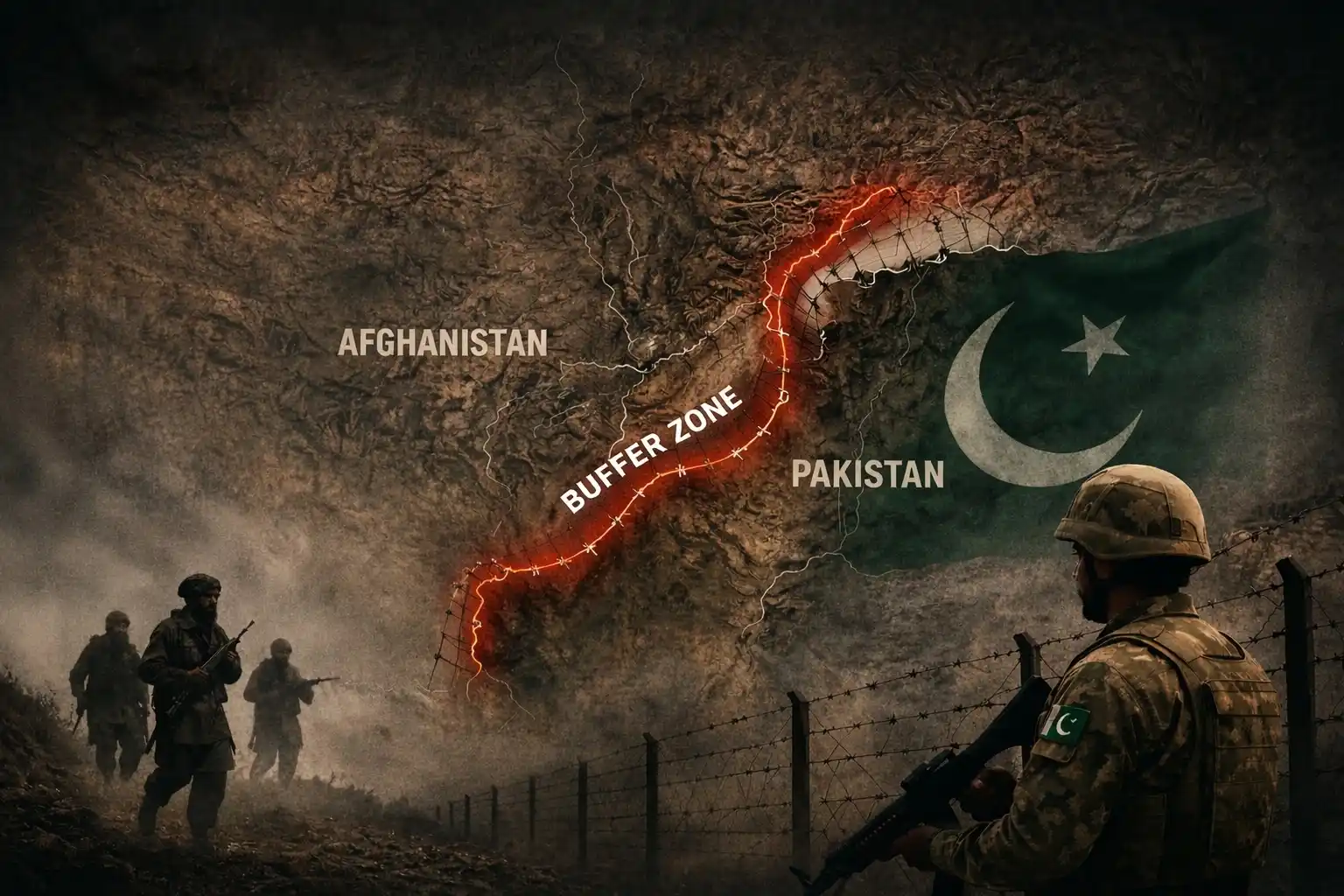
This presents a complex binary: either the Taliban leadership is utilizing the fatwa for external consumption while maintaining strategic ambiguity regarding the TTP, or the leadership faces internal challenges in curbing its ideological brethren. Compounding this dilemma is a significant doctrinal escape clause found within the Taliban’s internal narrative regarding the border itself. A substantial faction within the movement adheres to irredentist claims over the Pashtun belt, effectively denying the legitimacy of the Durand Line as an international boundary. For these elements, operations in Pakistan’s border regions, particularly the former FATA, are not viewed as attacks on a foreign lands, but rather as activities within a contiguous tribal sphere. This perception allows commanders to maneuver around the fatwa’s prohibitions by semantically reclassifying the theater of war. This mirrors the precedent of 2023, when the Dar ul Ifta issued a similar fatwa declaring unauthorized jihad invalid. That decree was widely circulated, yet cross-border incidents persisted, suggesting a pattern where religious decrees are deployed during periods of peak external pressure to buy time rather than signal a fundamental policy shift.
The Path from Doctrine to Action
The declaration by the Kabul clerics is a important moment in the Taliban’s governance narrative, signaling an awareness of the severe diplomatic and economic costs of isolation. It represents a theological commitment to international norms of sovereignty and non-interference. However, the ultimate significance of this fatwa will not be determined by the text of the decree, but by its translation into verifiable on-ground action.
For the region, particularly Pakistan, the enforcement of this decree is the critical variable. If the Taliban regime can bridge the gap between their religious edicts and their security policy, by effectively curbing the operational capabilities of groups like the TTP and ETIM, this development could mark a genuine turning point for regional stability. It would demonstrate that the Islamic Emirate is capable of prioritizing state responsibility over ideological kinship. The international community will be watching closely, as the implementation of this fatwa is the litmus test that will determine whether this is a fleeting diplomatic gesture or a foundational shift towards sustainable peace.