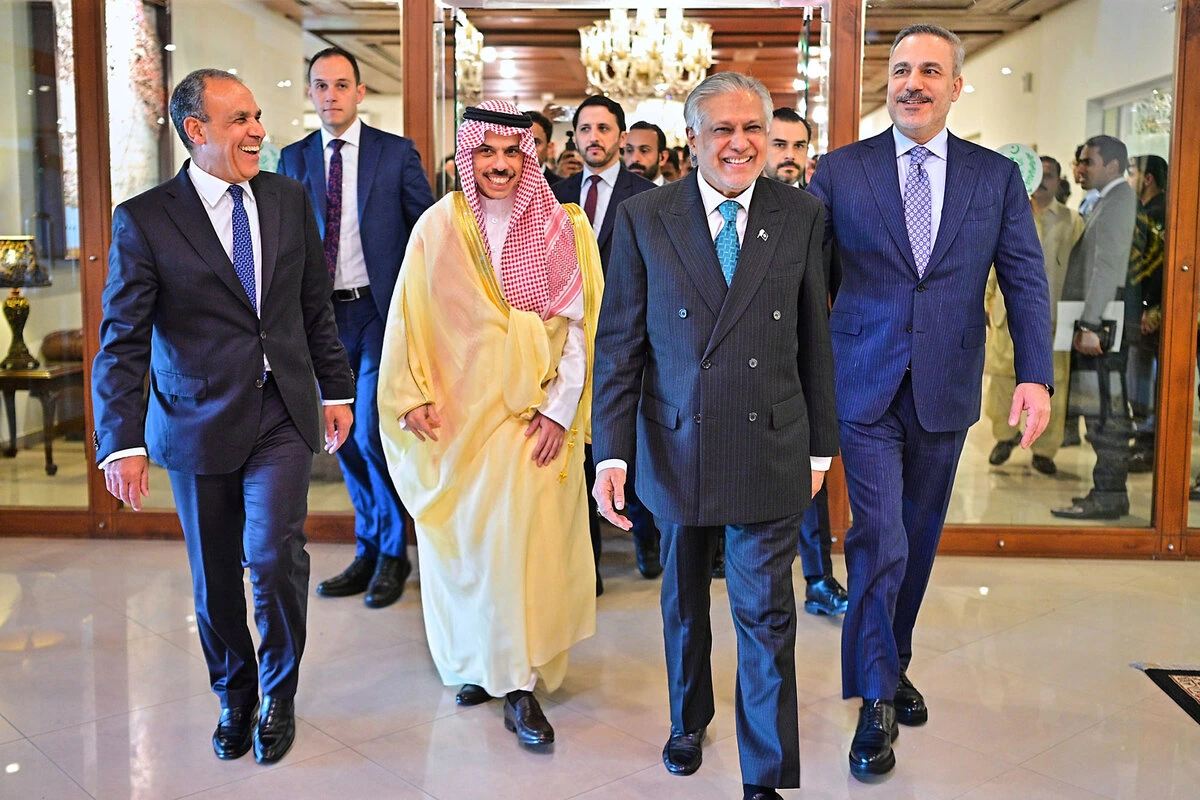
On Tuesday, Chinese Foreign Minister Wang Yi held a virtual meeting with his counterparts from several South Asian countries. The meeting was to discuss the COVID-19 crisis. Mr Wang suggested versatile methods for \”diversified and safe\” vaccine supplies.
Wang presided over a meeting of Afghanistan, Pakistan, Nepal, Sri Lanka, and Bangladesh Foreign Ministers to discuss the COVID-19 partnership. The aim is to strengthen its presence in South Asia.
The conference was notable for the absence of India, the Maldives, and Bhutan. According to the state-run Global Times, Wang reported that China has also extended an invitation to India to attend the conference.
China Pushes for Strict Actions
Chinese Foreign Minister Wang also invited India to the conference. According to a press release issued by the Foreign Ministry here, China expresses its profound concern for the raging outbreak in India. China also extends its heartfelt condolences to the Indian people.
According to the state-run China Global Television Network, the first batch of oxygen supplies has been shipped to India. Earlier, Wang Wenbin, a spokesman for China\’s Foreign Ministry, told a media briefing that the \”door is wide open\” for India and other South Asian countries to enter the framework. China has already delivered 8000 oxygen contractors, with another 10,000 on the way.
Foreign Minister Wang has suggested that, under the six-nation process structure, China is willing to encourage vaccine cooperation with other countries. China will use versatile methods such as free assistance and commercial procurement. They will also use filling supply in order to provide citizens with more diverse and reliable vaccine supplies.
Except for Pakistan, Nepal, Bangladesh, Sri Lanka, and Afghanistan, India is currently supplying vaccines.
Chinese Foreign Minister Highlights China\’s Willingness to Help Curb COVID
FM Wang said that China is willing to set up emergency supply warehouses in those countries through friendly consultation. China is adamant to pursue different ways of cooperation to combat the spread of COVID-19 variants.
According to him, the meeting also agreed to work on economic growth and to strengthen cooperation on poverty alleviation. Mr Wang continued to state that poverty alleviation and national development cooperation centre will be developed. This will promote knowledge exchanges between China and South Asian countries in related fields.
Moreover, this meeting is part of China\’s cooperation with South Asian countries, as well as regional and international cooperation to combat the coronavirus pandemic.
China has expressed its eagerness to provide appropriate resources and assistance to India. Mr Wang said that China is organizing Chinese enterprises to positively respond to India\’s demand for anti-epidemic supplies such as oxygen concentrators.
Since July 2020, China has convened a number of meetings on COVID-19 with Afghanistan, Pakistan, Nepal, Sri Lanka, and Bangladesh. This includes foreign minister-level talks, as well as, vice foreign minister and Director General level talks.