China warns US over balloon incident escalation

China warns US over balloon incident escalation

China warns of consequences over US balloon incident, US military shot down a Chinese balloon that Beijing says was a weather-monitoring craft.

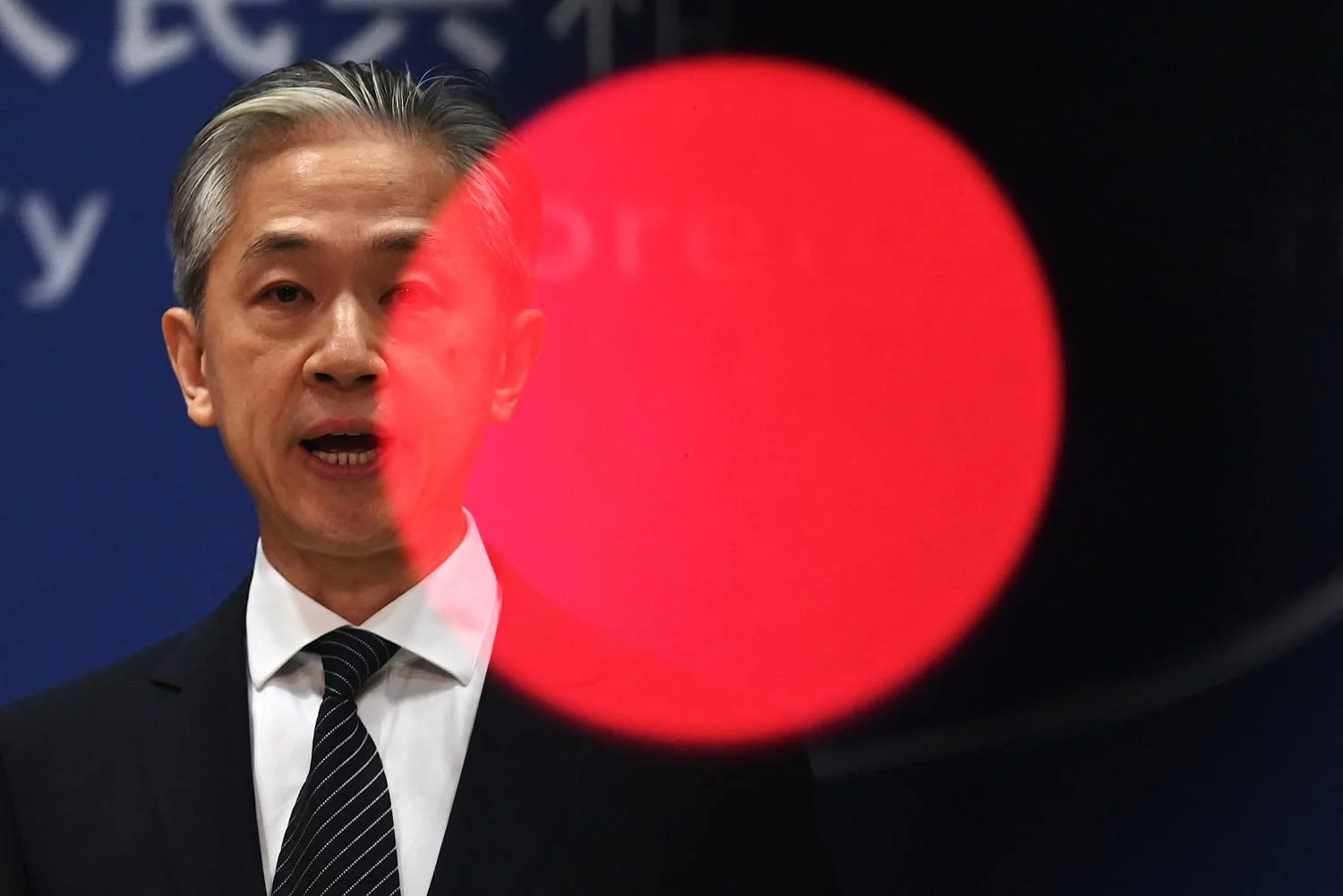
 China warned the United States on Sunday it would “bear all the consequences” if it escalated the controversy over a Chinese balloon that the U.S. military shot down this month, referencing the balloon incident.

Beijing will “follow through to the end” in the event “the U.S. insists on taking advantage of the issue”, the foreign ministry said in a statement.

A U.S. military jet on Feb. 4 shot down what Washington calls a Chinese spy balloon after it had crossed North America. Beijing says it was an errant weather-monitoring craft.

China’s statement followed a meeting between top diplomat Wang Yi and U.S. Secretary of State Antony Blinken on the sidelines of the Munich Security Conference.

SEE ALSO: https://southasiatimes.org/spy-balloon-accusations-may-lead-to-us-sanctions-against-china/

Source: Reuters

News Desk

Your trusted source for insightful journalism. Stay informed with our compelling coverage of global affairs, business, technology, and more.

Recent

Pakistan’s shift from arms importer to defense exporter reveals how indigenous military industry has become central to sovereignty in a fragmented global order.

Pakistan’s Defense Industrial Breakout

As the liberal international order fragments, Pakistan has executed a decisive shift from defense dependency to indigenous production. Through exports, combat validation, and joint industrialization, Islamabad is redefining sovereignty as an industrial and diplomatic asset.

Read More »
A critical reassessment of Afghan repatriation from Pakistan, weighing human rights advocacy against state sovereignty, security, and legal realities.

Rethinking Afghan Repatriation from Pakistan

Amnesty International’s call to halt Afghan repatriation overlooks the limits of long-term hospitality. For Pakistan, the issue is less about abandoning rights than reasserting sovereign immigration control amid shifting realities in Afghanistan.

Read More »
Andy Halus’s interview signals a shift in US–Pakistan relations toward minerals, education, and soft power, marking a post-security partnership in 2026.

The New Architecture of US–Pakistan Relations

Andy Halus’s interview signals a strategic shift in US–Pakistan relations from security-centric ties to a multidimensional partnership centered on minerals, education, and soft power. Projects like Reko Diq now stand as the key test of this new architecture.

Read More »