Economy & Trade

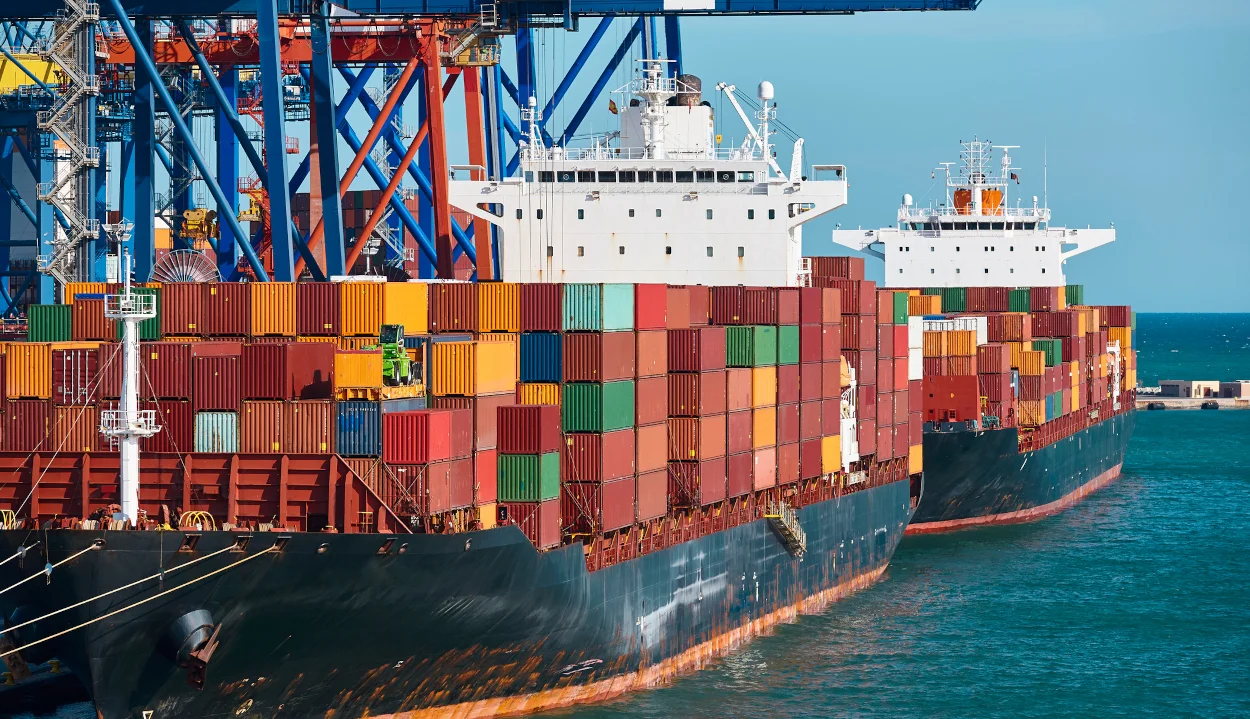
The EU–India FTA reveals a deep structural asymmetry, exposing Indian industry to European dominance while reinforcing dependency through tariffs, CBAM, and non-tariff barriers.

The Asymmetry at the Heart of the EU–India FTA

Presented as a landmark of global economic integration, the EU–India Free Trade Agreement masks a deeply unequal structure. While India dismantles protective tariffs central to its industrial base, European firms retain advantages through subsidies, non-tariff barriers, and green protectionism. Rather than enabling industrial upgrading, the deal risks locking India into a dependent trade pattern, importing high-value capital goods while exporting low-value products, undermining the very logic of Make in India.

Read More »
EU–Pakistan Business Forum 2026 signals a shift from GSP+ trade reliance to an investment-led, sustainable partnership under EU Global Gateway.

EU–Pakistan Business Forum 2026

The EU–Pakistan Business Forum 2026 marks a strategic pivot toward diversified, ESG-driven investment, de-risked finance, and regulatory alignment beyond GSP+ trade ties.

Read More »
Pakistan’s IT sector and Digital Nation Act 2025 offer a scalable path to break the current account deficit and escape chronic economic volatility.

Pakistan’s Digital Escape Route

Pakistan’s reliance on import-heavy exports has repeatedly triggered balance-of-payments crises. The Digital Nation Pakistan Act 2025 positions IT as a zero-raw-material export capable of delivering scalable growth, fiscal stability, and long-term economic resilience.

Read More »
Afghanistan’s Trade Boycott: Strategic Miscalculation With Fiscal Consequences

Afghanistan’s Trade Boycott: Strategic Miscalculation With Fiscal Consequences

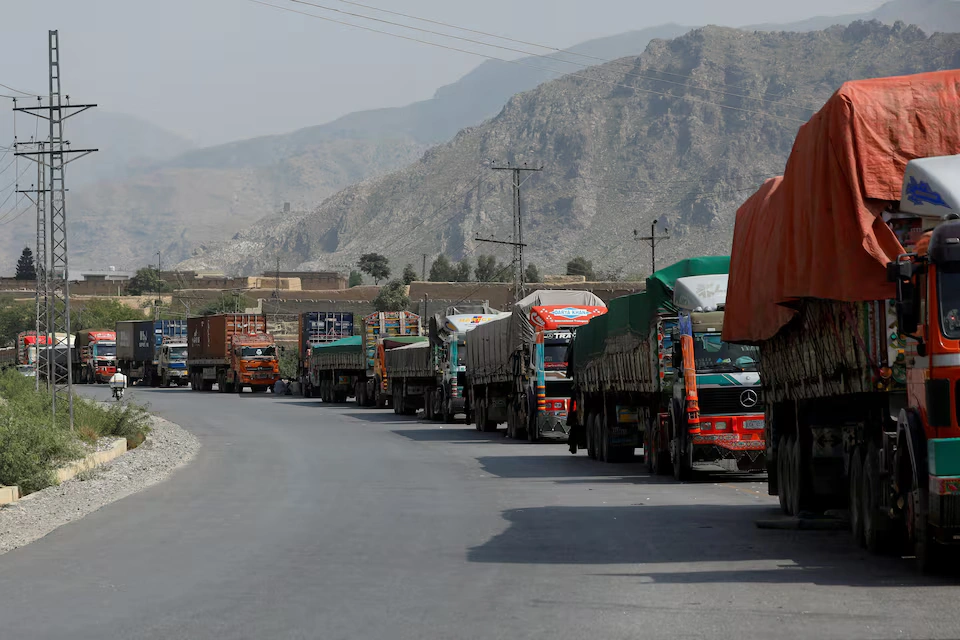
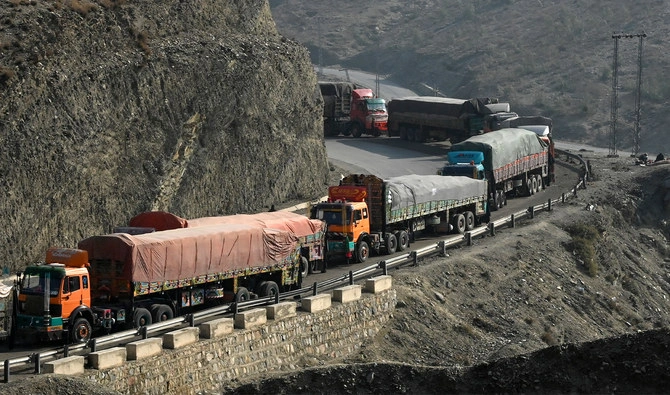
Afghanistan’s 2025 trade boycott of Pakistan exposes a strategic miscalculation. Despite efforts to shift toward Iran and Central Asia, Kabul remains structurally dependent on Pakistan’s mature trade corridors, customs revenue, labour mobility, and logistical efficiency. Alternative routes carry higher costs, sanctions risks, and operational delays, leaving the Taliban with mounting fiscal losses and regional constraints.

Read More »
The End of Dollar Dominance: How Gold is Rewriting the Rules of Global Finance

The End of Dollar Dominance: How Gold is Rewriting the Rules of Global Finance

After nearly eight decades of U.S. dollar supremacy, the global financial order is entering a historic transition. As nations seek refuge from debt crises, sanctions, and monetary manipulation, gold is regaining its status as the world’s most trusted store of value. Led by China’s strategic accumulation and supported by a worldwide shift toward de-dollarisation, this transformation signals the birth of a multipolar, asset-backed financial era, one anchored not in promises, but in tangible wealth.

Read More »