South Asia

An analysis of Qatar’s neutrality, Al Jazeera’s framing of Pakistan, and how narrative diplomacy shapes mediation and regional security in South Asia.

Qatar’s Dubious Neutrality and the Narrative Campaign Against Pakistan

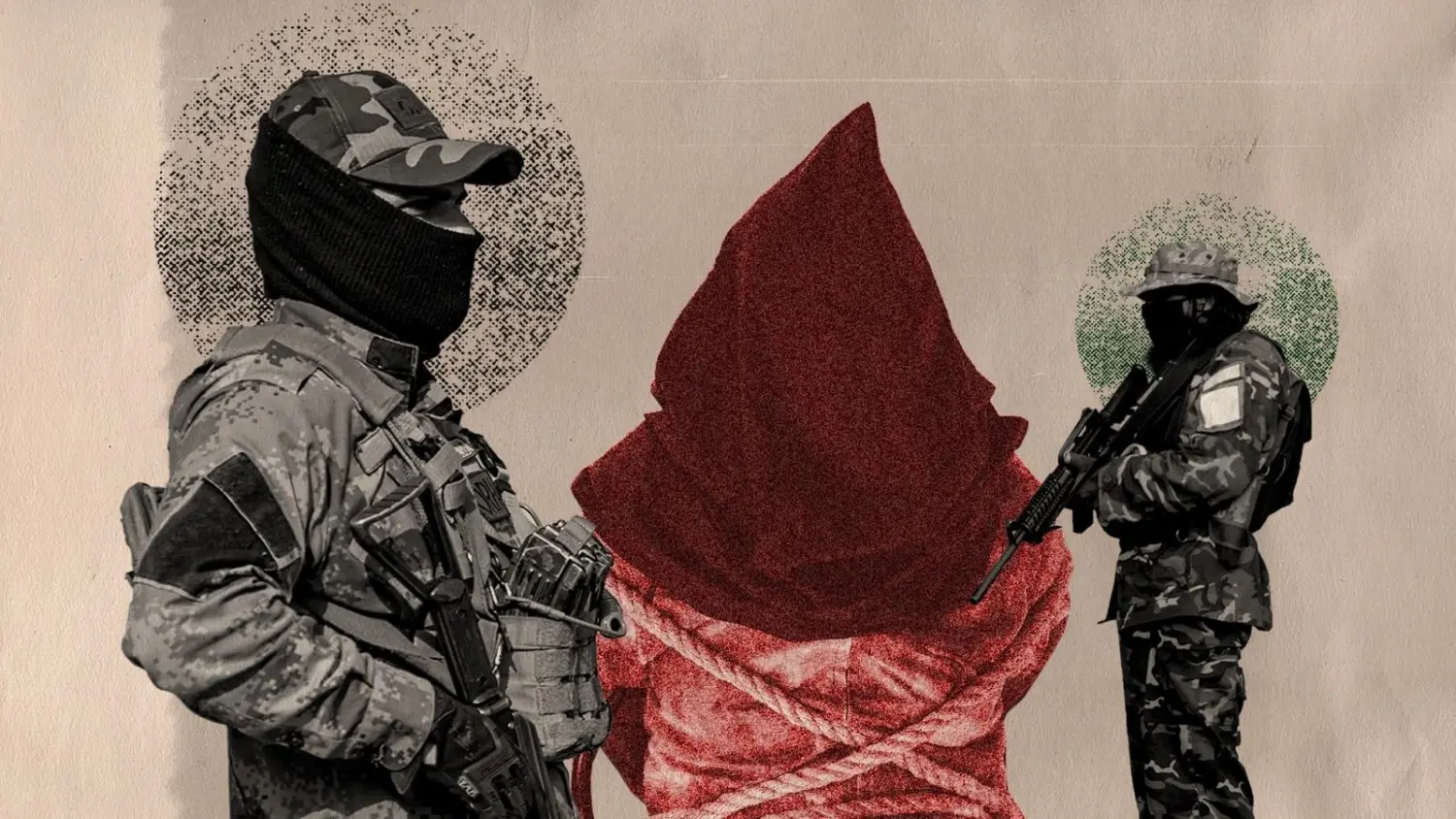
Qatar’s role in South Asia illustrates how mediation and media narratives can quietly converge into instruments of influence. Through Al Jazeera’s selective framing of Pakistan’s security challenges and Doha’s unbalanced facilitation with the Taliban, neutrality risks becoming a performative posture rather than a principled practice. Mediation that avoids accountability does not resolve conflict, it entrenches it.

Read More »
AI, Extremism, and the Weaponization of Hate: Islamophobia in India

AI, Extremism, and the Weaponization of Hate: Islamophobia in India

AI is no longer a neutral tool in India’s digital space. A growing body of research shows how artificial intelligence is being deliberately weaponized to mass-produce Islamophobic narratives, normalize harassment, and amplify Hindutva extremism. As online hate increasingly spills into real-world violence, India’s AI-driven propaganda ecosystem raises urgent questions about accountability, democracy, and the future of pluralism.

Read More »
The Enduring Consequences of America’s Exit from Afghanistan

The Enduring Consequences of America’s Exit from Afghanistan

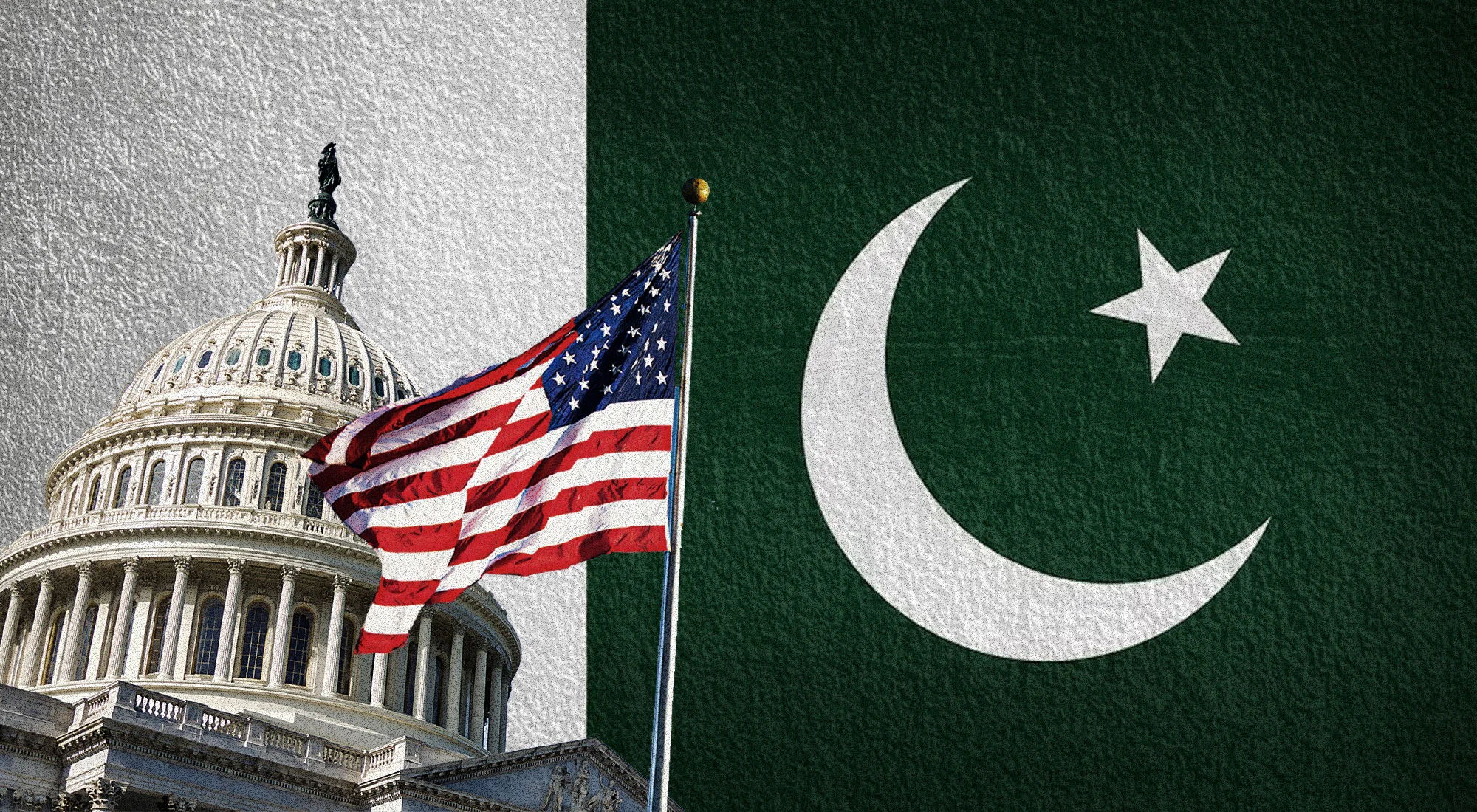
The 2021 US withdrawal from Afghanistan was more than the end of a long war, it was a poorly executed exit that triggered the rapid collapse of the Afghan state. The fall of Kabul, the Abbey Gate attack, and the return of militant groups exposed serious gaps in planning and coordination.

Read More »
The Afghan Crucible

The Afghan Crucible

Recent reporting underscores Afghanistan’s transformation into a strategic hub for transnational jihadist networks. Far from being a localized security problem, the Afghan landscape now functions as an ideological, logistical, and digital anchor linking extremist affiliates across Africa, Southeast Asia, and beyond, signaling the collapse of regional containment and the rise of a globalized threat architecture.

Read More »
The Manufacturing of a False Equivalence

The Manufacturing of a False Equivalence

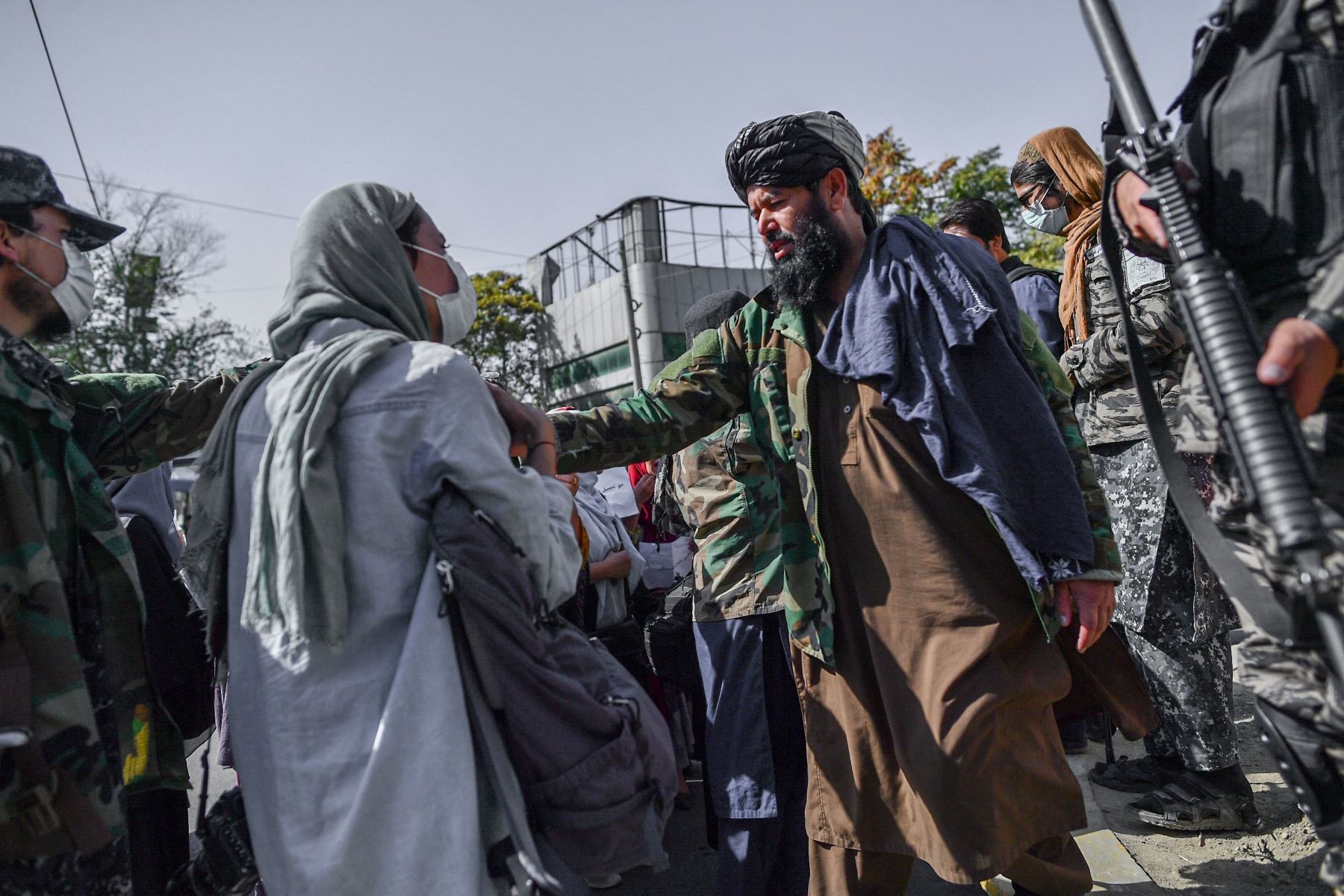
As scrutiny mounts over the Taliban’s tolerance of TTP sanctuaries, Kabul has attempted to deflect blame by alleging that ISIS-K operates from Pakistan. This false equivalence ignores the historical origins of ISIS-K in eastern Afghanistan, its sustained campaign of violence against Pakistan, and verified intelligence showing that the group’s operational depth remains rooted inside Afghan territory.

Read More »
Healthcare as Statecraft in Taliban-Ruled Afghanistan

Healthcare as Statecraft in Taliban-Ruled Afghanistan

Afghanistan’s recent shift away from Pakistani pharmaceutical imports toward Indian suppliers marks a dangerous transformation of healthcare into a tool of geopolitical signaling. Framed as regulatory reform, this pivot reflects a broader biopolitical strategy in which access to medicine is subordinated to diplomatic recalibration, with profound ethical and humanitarian consequences for an already vulnerable population.

Read More »
The Taliban Regime and the 2025 Global CFT Framework

The Taliban Regime and the 2025 Global CFT Framework

Despite consolidating internal control and boosting revenues, the Taliban remain structurally incompatible with the 2025 global Counter-Terrorism Financing regime, as sanctions, militant linkages, and gender persecution block financial reintegration.

Read More »
Majoritarian Politics and the Erosion of Minority Dignity in India: The Bihar Hijab Incident

Majoritarian Politics and the Erosion of Minority Dignity in India: The Bihar Hijab Incident

The forcible removal of a Muslim woman doctor’s hijab by Bihar’s Chief Minister was not an isolated lapse of conduct but a revealing moment in India’s evolving political culture. It underscored how majoritarian ideology increasingly normalizes the public humiliation of minorities, particularly Muslim women, and weakens constitutional guarantees of equality, religious freedom, and personal dignity.

Read More »
Herat tragedy claims 30 lives, exposing Afghanistan’s governance failures, unsafe migration, and escalating humanitarian crisis.

Herat Border Tragedy: The Deadly Consequences of Afghanistan’s Governance Failures

The Herat border tragedy, is a stark illustration of the human cost of Afghanistan’s governance failures. With limited economic opportunities, widespread poverty, and insufficient social support, families are forced to undertake life-threatening journeys across freezing mountains. The incident underscores the urgent need for the Afghan government to provide stable livelihoods, establish safe migration routes, and strengthen healthcare and social services, as humanitarian risks continue to escalate across the country.

Read More »
A fact-based rebuttal of claims about Pakistani troop deployment in Gaza, exposing disinformation and reaffirming Pakistan’s UN-mandated peacekeeping doctrine.

Debunking the Gaza Deployment Narrative

False claims of a Pakistani troop deployment to Gaza, amplified by disinformation networks, were firmly rejected by the Foreign Office, reaffirming that Pakistan’s military operates only under UN mandates and constitutional limits.

Read More »