![Prime Minister Narendra Modi with External Affairs Minister S. Jaishankar at an official event. [Photo Courtesy: Praveen Jain via The Print].](https://southasiatimes.org/wp-content/uploads/2026/02/20-scaled-e1755601883425-1024x576-1.webp "The Facade of Indian Strategic Autonomy")
The Facade of Indian Strategic Autonomy
India’s strategic autonomy faces pressure as US trade leverage, energy dependence, and defence ties test New Delhi’s balancing doctrine.

India’s strategic autonomy faces pressure as US trade leverage, energy dependence, and defence ties test New Delhi’s balancing doctrine.
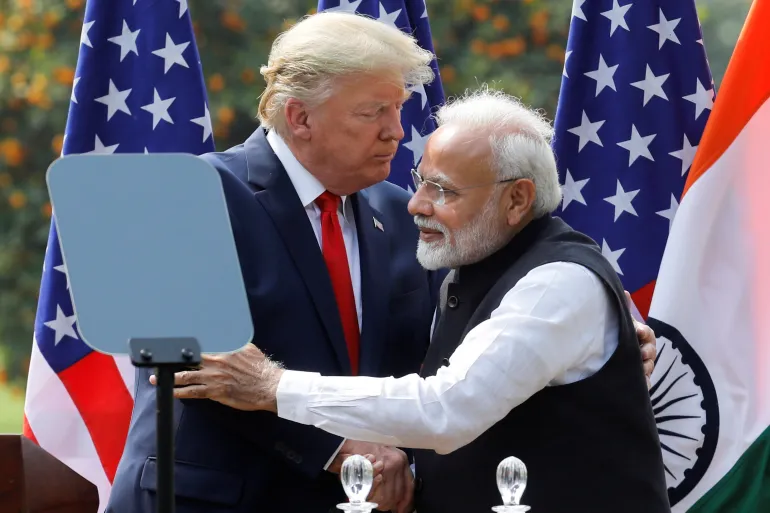
Washington’s new security lens is transactional. Partnerships must pay. For India, sentiment won’t suffice, deliverables will.
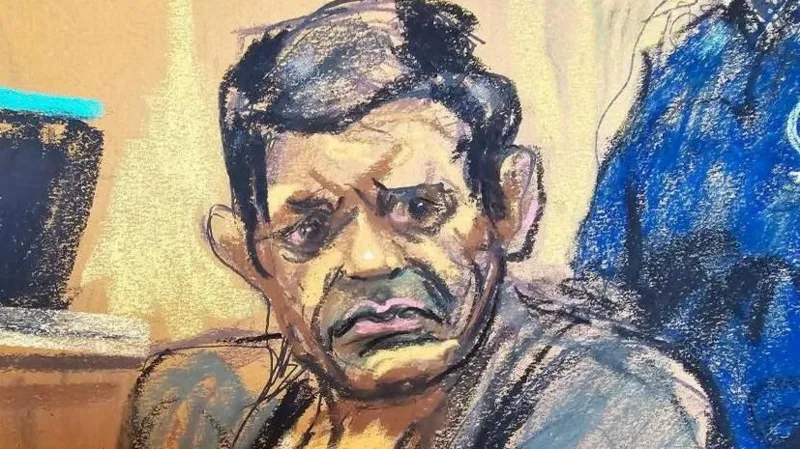
Indian national Nikhil Gupta pleads guilty to plotting murder of US Sikh separatist leader; highlights transnational repression risks.
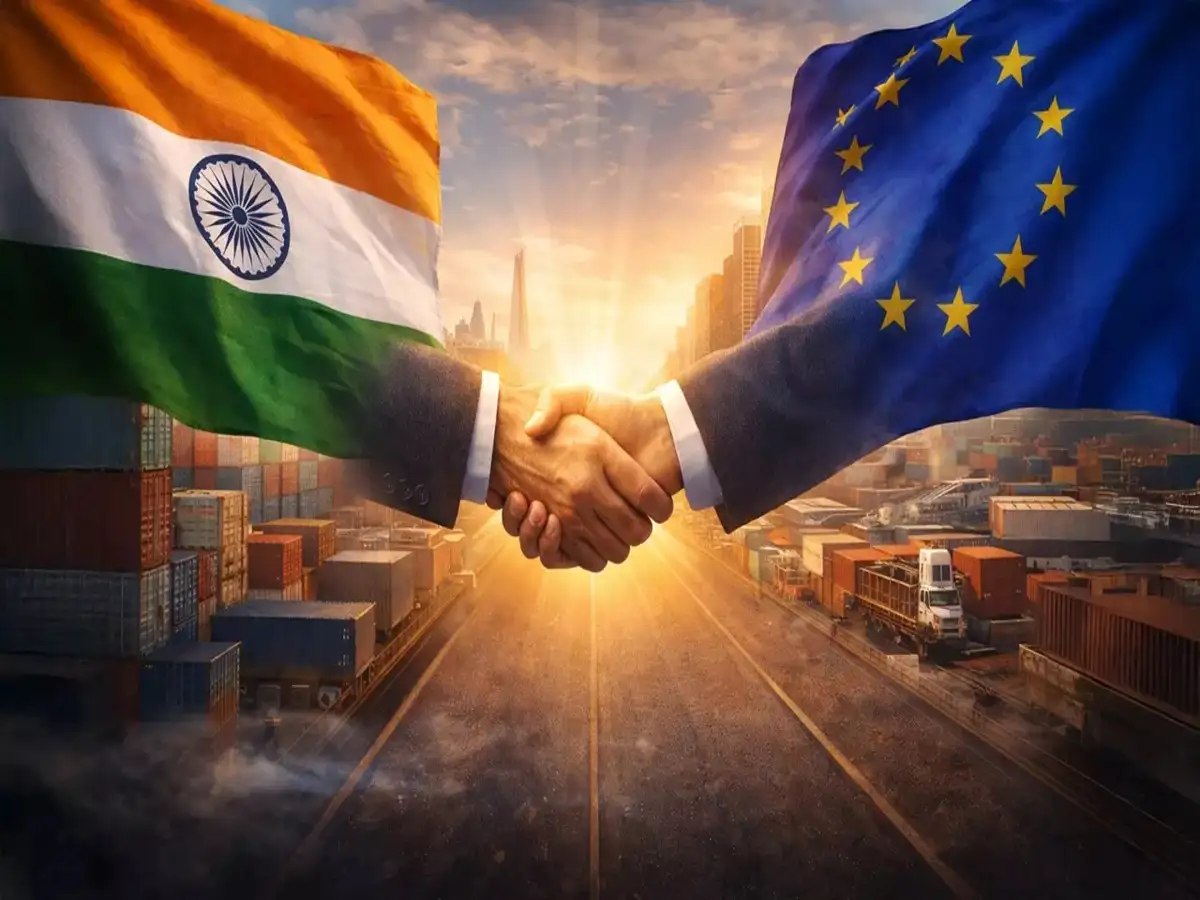
The EU–India FTA risks being unequal, as India cuts tariffs while Europe retains key advantages. It may deepen dependence instead of strengthening India’s industrial growth.
Once imagined as a neutral steel frame, India’s bureaucracy is undergoing a profound mutation. As faith becomes an instrument of alignment and fear a tool of discipline, the administrative state is drifting from constitutional neutrality toward ideological enforcement, with lasting consequences for democracy, governance, and state capacity.
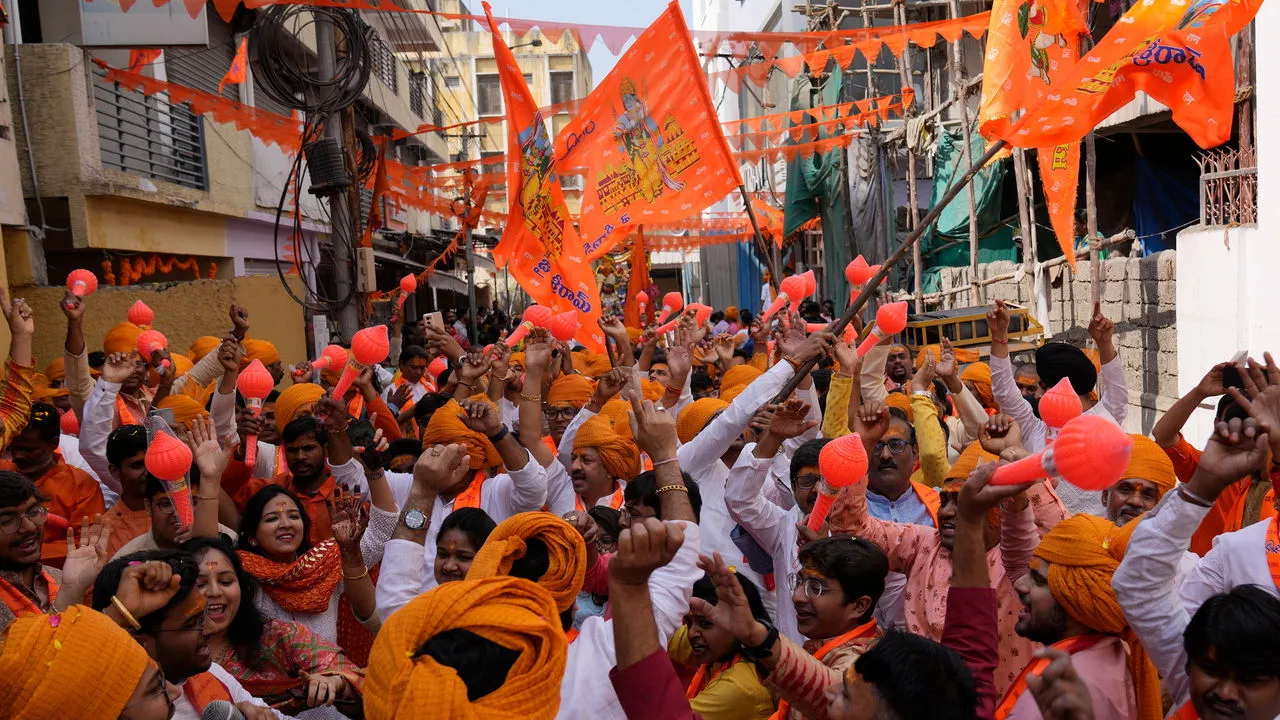
India’s shift toward Hindutva governance has transformed identity into policy. As citizenship, culture, and power merge, over 28 crore minorities are pushed to the margins—fracturing institutions, normalising exclusion, and leaving long-term scars on the republic’s social fabric.
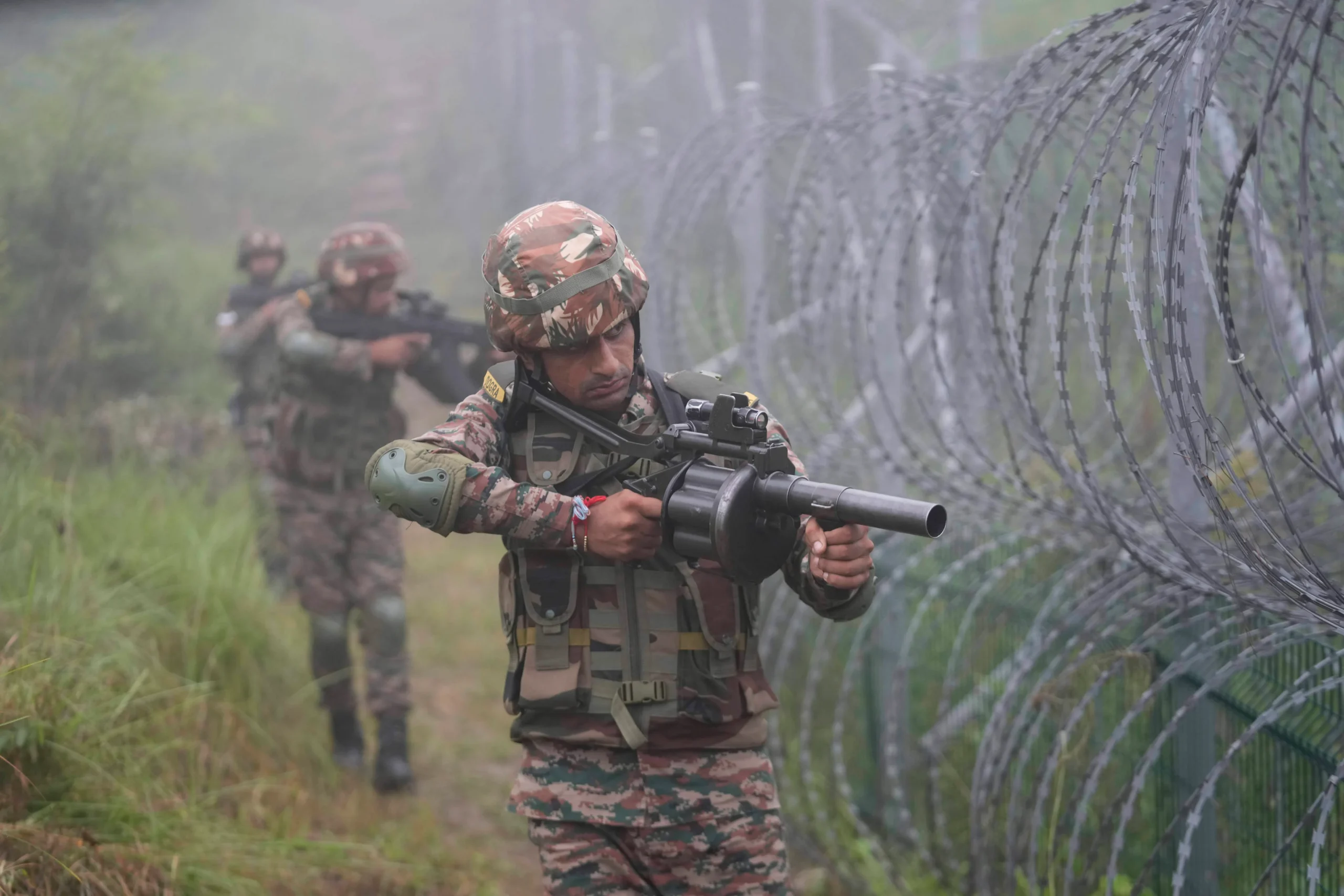
From the Sundarji Doctrine to Cold Start and 2025’s Operation Sindoor, India’s offensive doctrines aimed at rapid strikes against Pakistan repeatedly backfired, exposing operational gaps and narrowing its strategic options in multi-domain warfare.
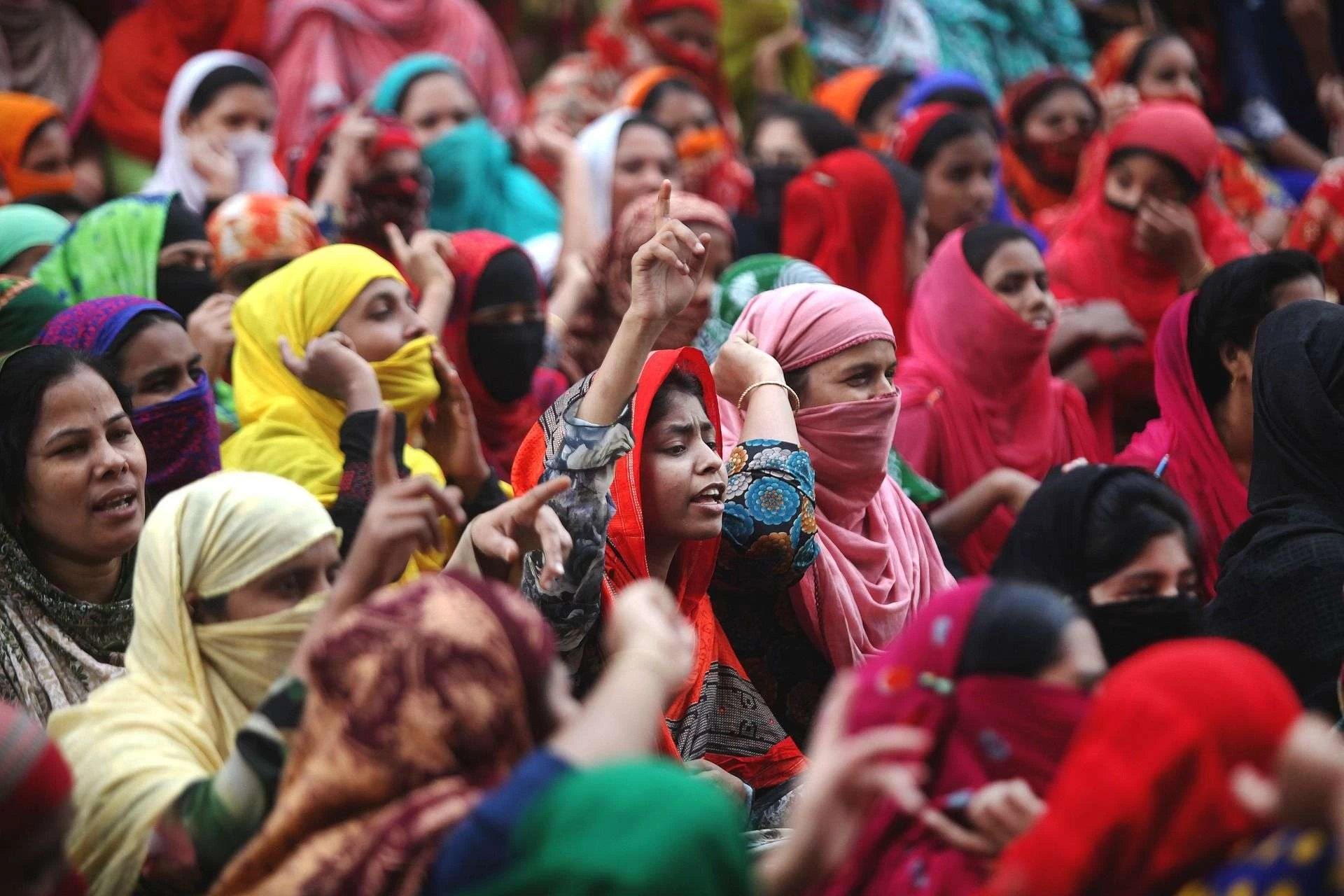
AI is no longer a neutral tool in India’s digital space. A growing body of research shows how artificial intelligence is being deliberately weaponized to mass-produce Islamophobic narratives, normalize harassment, and amplify Hindutva extremism. As online hate increasingly spills into real-world violence, India’s AI-driven propaganda ecosystem raises urgent questions about accountability, democracy, and the future of pluralism.
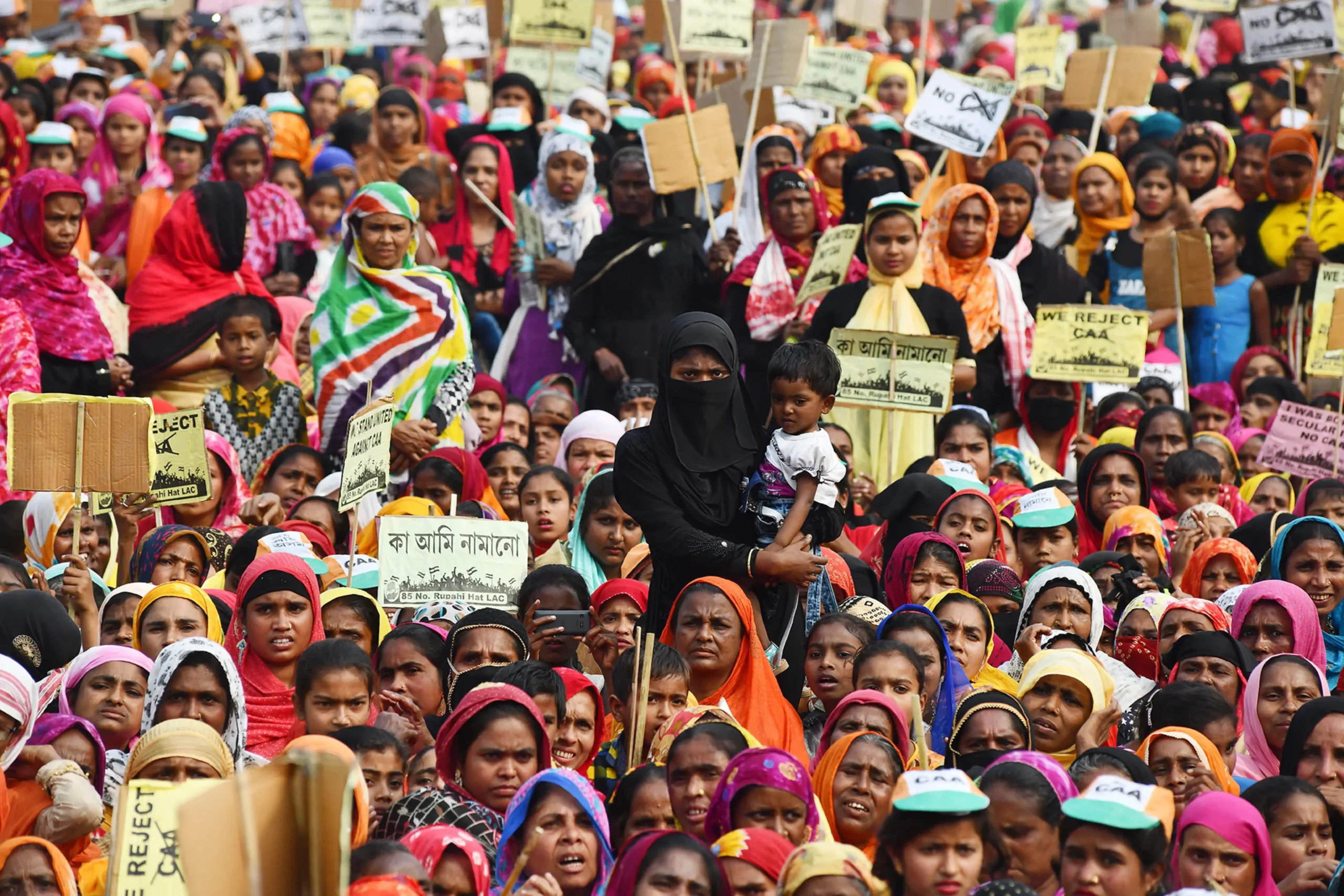
The forcible removal of a Muslim woman doctor’s hijab by Bihar’s Chief Minister was not an isolated lapse of conduct but a revealing moment in India’s evolving political culture. It underscored how majoritarian ideology increasingly normalizes the public humiliation of minorities, particularly Muslim women, and weakens constitutional guarantees of equality, religious freedom, and personal dignity.
India’s democracy, born without rupture, now faces institutional erosion, electoral distrust, and mounting pressures that risk triggering systemic political upheaval.