Perspectives

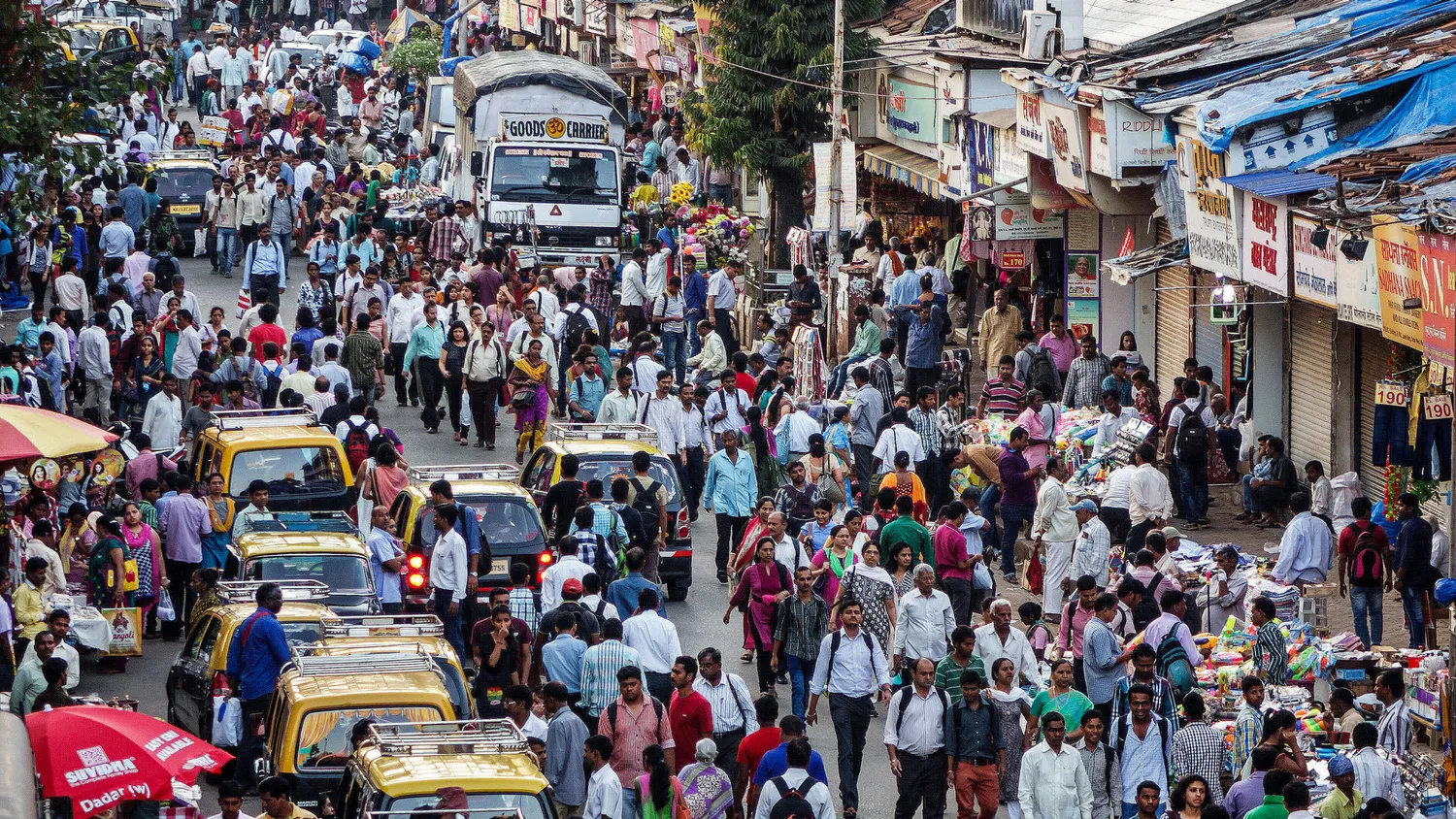
Criminalising Dissent: How New Laws and “Public Order” Politics Are Shrinking Democratic Space in India

Criminalising Dissent: How New Laws and “Public Order” Politics Are Shrinking Democratic Space in India

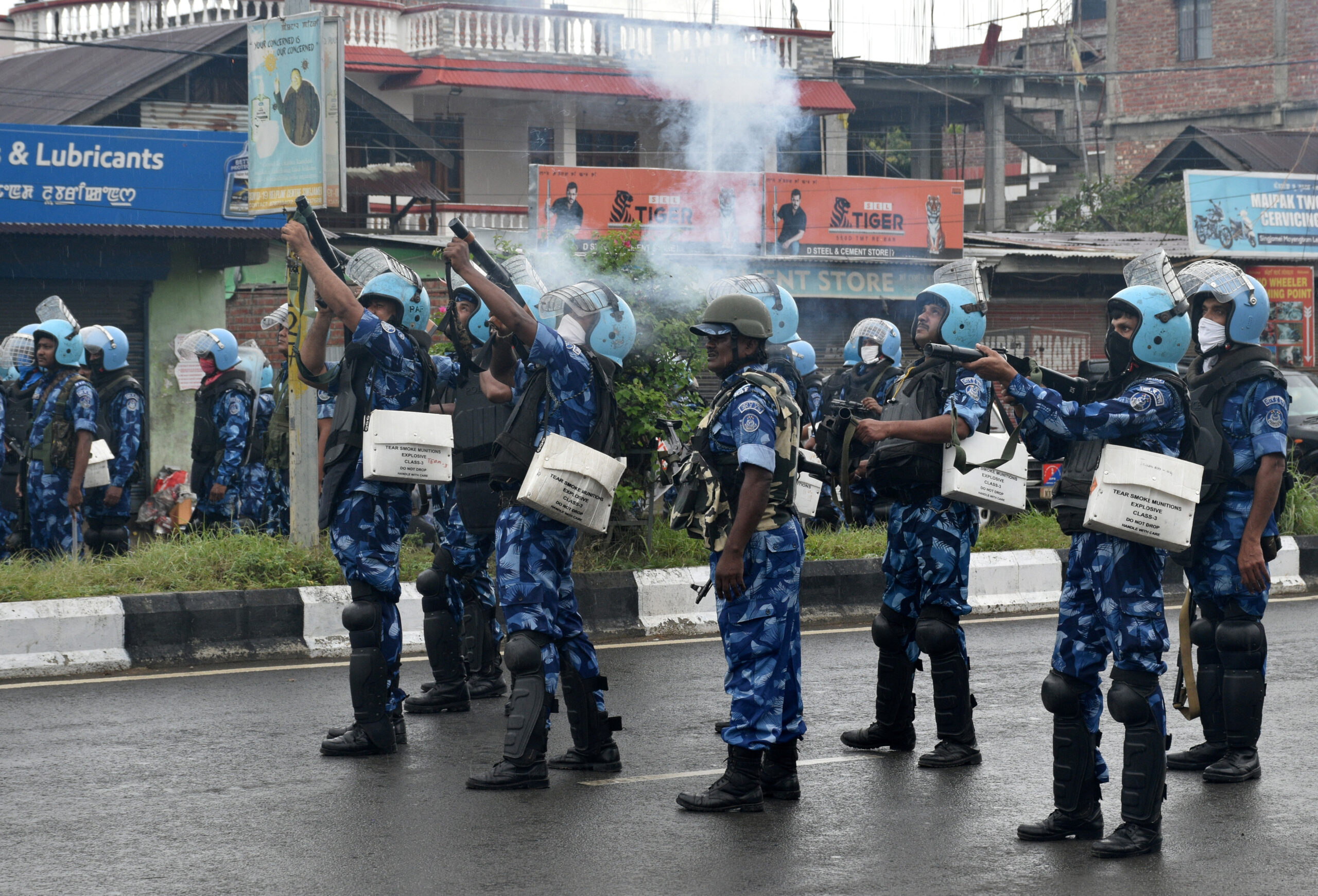
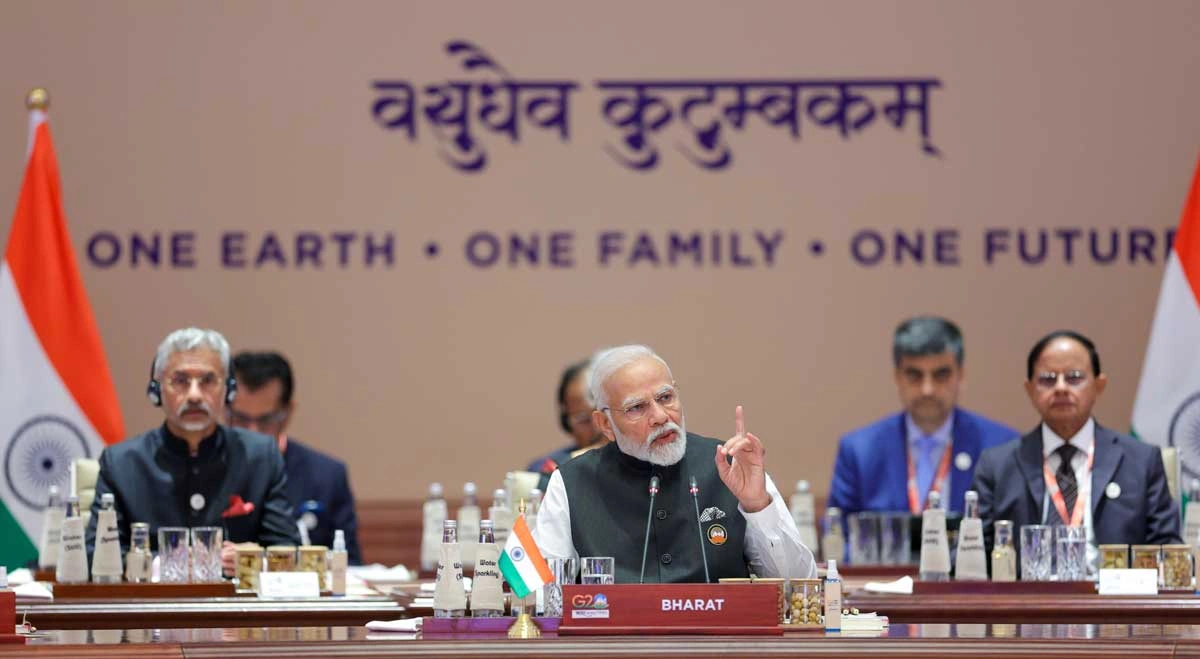
India is witnessing a steady erosion of democratic freedoms as broad security laws, digital surveillance, and administrative restrictions redefine dissent as a threat rather than a constitutional right. From expanded use of UAPA and IT Rules to routine protest crackdowns and shrinking academic space, the cumulative impact is a quieter and increasingly constrained civic sphere.
Read More »
India’s Coercive Foreign Policy in 2025 By Farwa Imtiaz

India’s Coercive Foreign Policy in 2025

India’s foreign policy in 2025 marks a clear break from its earlier soft-power orientation, shifting toward overt coercion and interference. Once seen as a restrained global actor, India now increasingly relies on hard power, diplomatic pressure, and transnational repression to shape external outcomes. Through cases in Canada, Pakistan, Bangladesh, and Türkiye, this article shows how India has adopted a more assertive—and often destabilizing—approach to protect its expanding ambitions, using tools ranging from foreign interference to military escalation and economic coercion.

Read More »
A sharp critique of Zabihullah Mujahid’s recent evasive remarks on the TTP, exposing Taliban hypocrisy and Afghan complicity in cross-border militancy.

Zabihullah Mujahid’s Bizarre Statement on TTP: A Lesson in Hypocrisy and Evasion

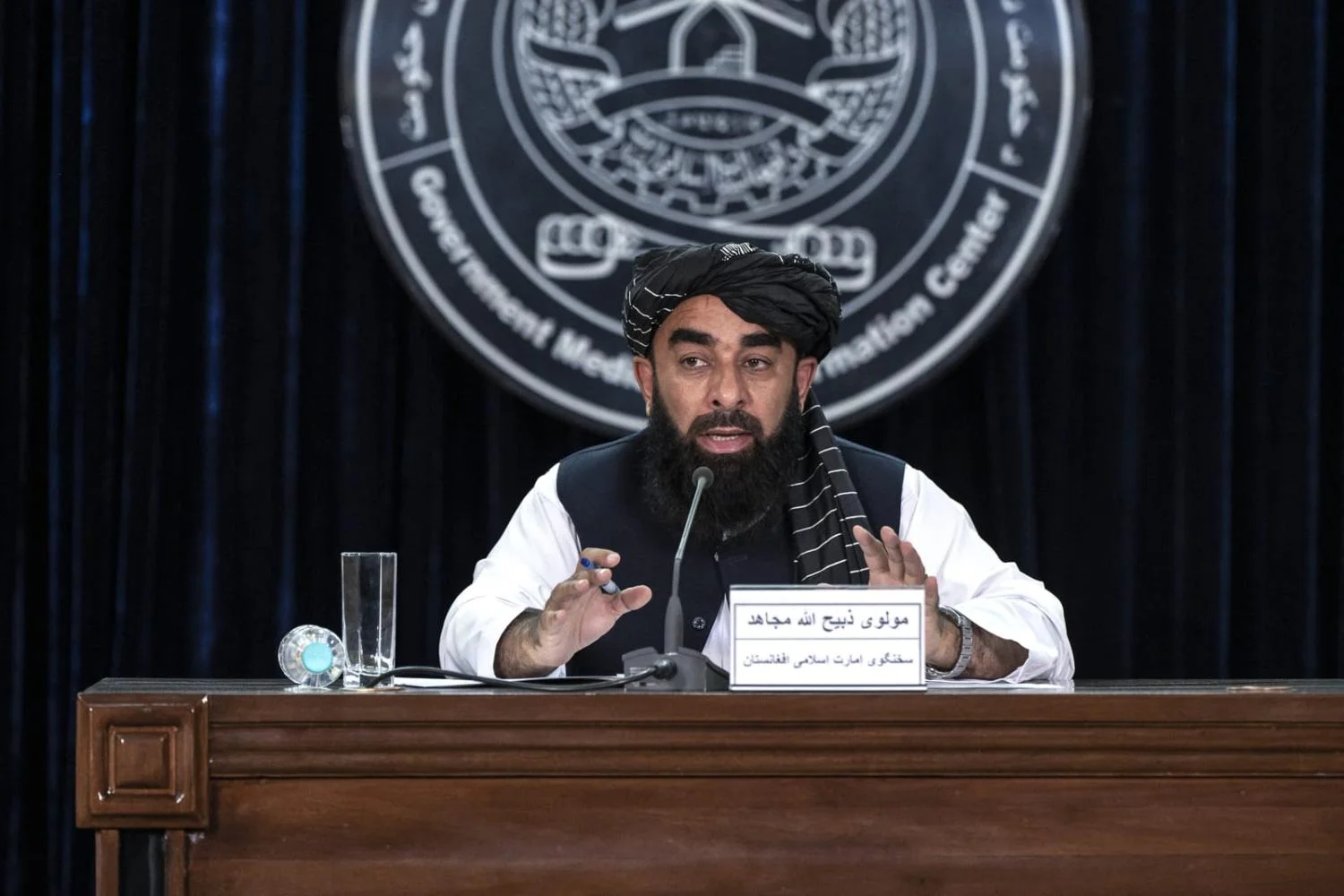
Zabihullah Mujahid’s recent statement dismissing the TTP as Pakistan’s “internal issue” and claiming Pashto lacks the word “terrorist” is a glaring act of evasion. By downplaying a UN-listed militant group hosted on Afghan soil, the Taliban spokesperson attempts to deflect responsibility, despite overwhelming evidence of TTP sanctuaries, leadership, and operations in Afghanistan. His remarks reveal not linguistic nuance, but calculated hypocrisy and political convenience.

Read More »
Pakistan’s Heritage and Rights Ethos: Unlocking Cultural Diplomacy

Pakistan’s Heritage and Rights Ethos: Unlocking Cultural Diplomacy

Pakistan’s diverse cultural heritage, from the hospitality of Pashtunwali and Sufi music in Sindh to folk traditions in Punjab, Balochistan, and Gilgit–Baltistan, reflects an enduring rights-based ethos. These living practices promote dignity, justice, and social inclusion. By integrating these traditions into cultural diplomacy, Pakistan can showcase its soft power while supporting custodians of heritage, artisans, and local communities.

Read More »
Dividend or Disaster? Why India’s Population Policy Needs a Jobs-first Approach

Dividend or Disaster? Why India’s Population Policy Needs a Jobs-first Approach

India’s youthful demographic profile presents enormous opportunities, but only if the country can generate enough quality jobs. While the Economic Survey 2024 highlights improvements in labour participation and unemployment, deeper structural issues persist, including informal work, regional disparities, and gender gaps. A jobs-first approach is essential to convert India’s demographic advantage into real and sustained economic gains.

Read More »
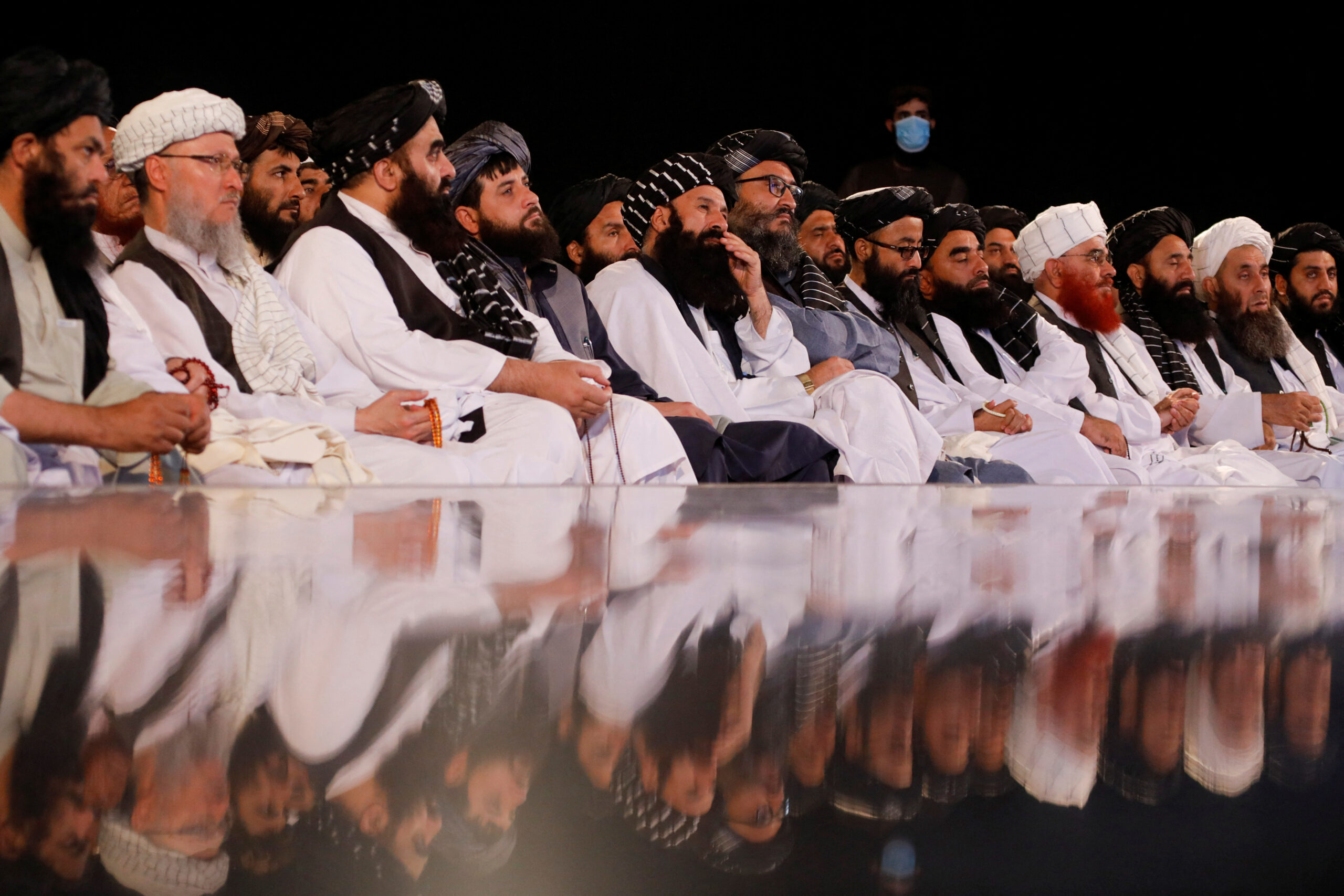
FILE PHOTO: Taliban leaders attend the first-anniversary ceremony of the takeover of Kabul by the Taliban in Kabul, Afghanistan, August 15, 2022. REUTERS/Ali Khara

Sharia Absolutism at Home, Realpolitik Abroad

The Taliban govern through a stark duality: rigid Sharia enforcement at home paired with flexible, interest-driven diplomacy abroad. Domestically, religion is used to silence women, suppress dissent, and mask governance failures. Yet the same regime that polices Afghan society with severity adopts a pragmatic tone toward India, Russia, and the TTP. This selective morality reflects political survival rather than theology, with lasting implications for Afghanistan and the wider region.

Read More »
Modern Platforms, Evolving Doctrine

Modern Platforms, Evolving Doctrine

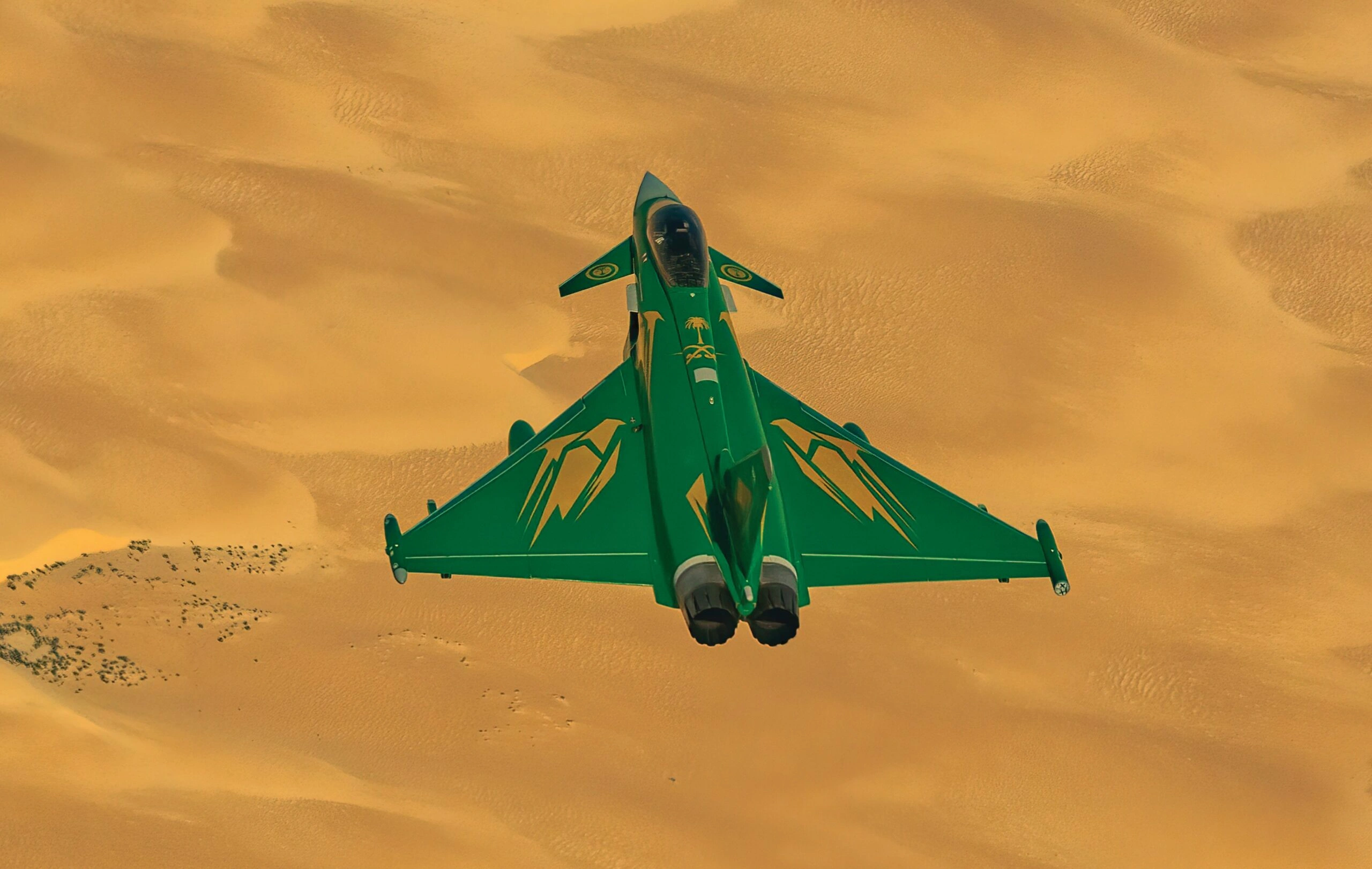
The Gulf’s air-power evolution is increasingly shaped by the fusion of advanced platforms with modern doctrine and faster decision cycles. As regional forces adapt to complex threat environments, partners like Pakistan, whose operational experience spans multiple domains, are becoming part of the broader conversation on future air-power thinking.

Read More »