Pakistan

A critical reassessment of Afghan repatriation from Pakistan, weighing human rights advocacy against state sovereignty, security, and legal realities.

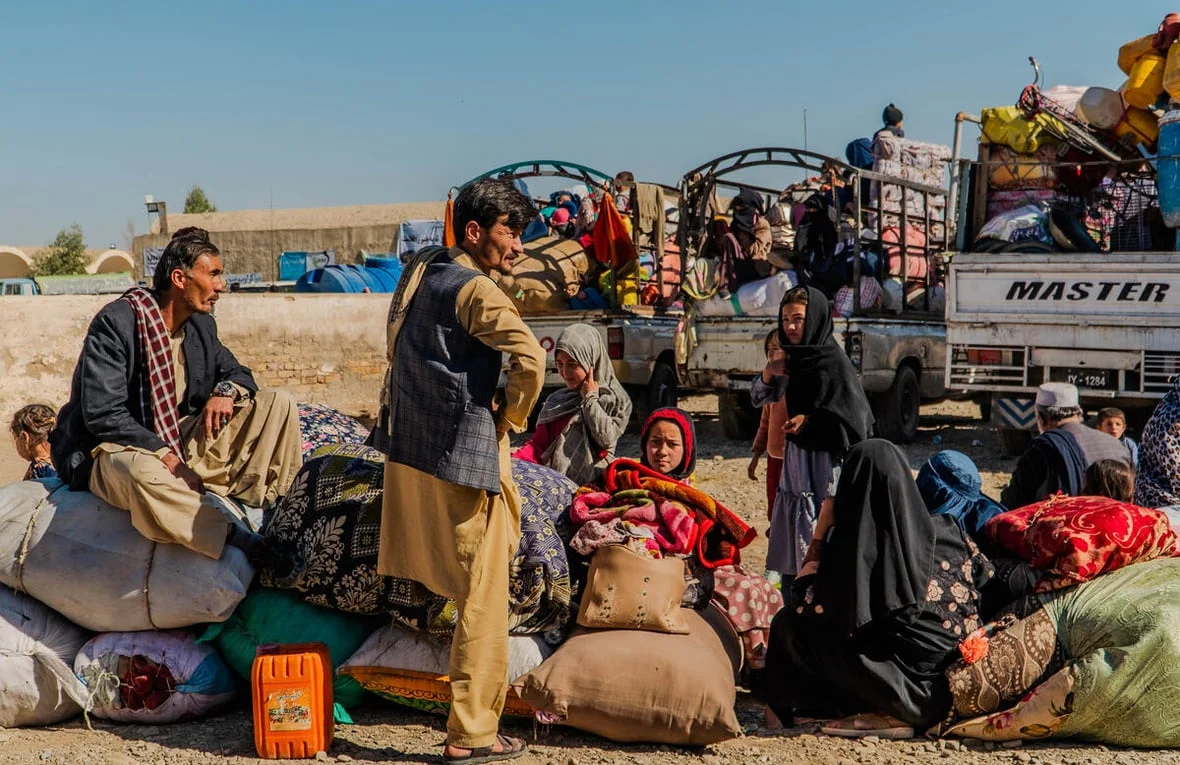
Rethinking Afghan Repatriation from Pakistan

Amnesty International’s call to halt Afghan repatriation overlooks the limits of long-term hospitality. For Pakistan, the issue is less about abandoning rights than reasserting sovereign immigration control amid shifting realities in Afghanistan.

Read More »
Pakistan’s IT sector and Digital Nation Act 2025 offer a scalable path to break the current account deficit and escape chronic economic volatility.

Pakistan’s Digital Escape Route

Pakistan’s reliance on import-heavy exports has repeatedly triggered balance-of-payments crises. The Digital Nation Pakistan Act 2025 positions IT as a zero-raw-material export capable of delivering scalable growth, fiscal stability, and long-term economic resilience.

Read More »
A Fugitive Insurgency

A Fugitive Insurgency

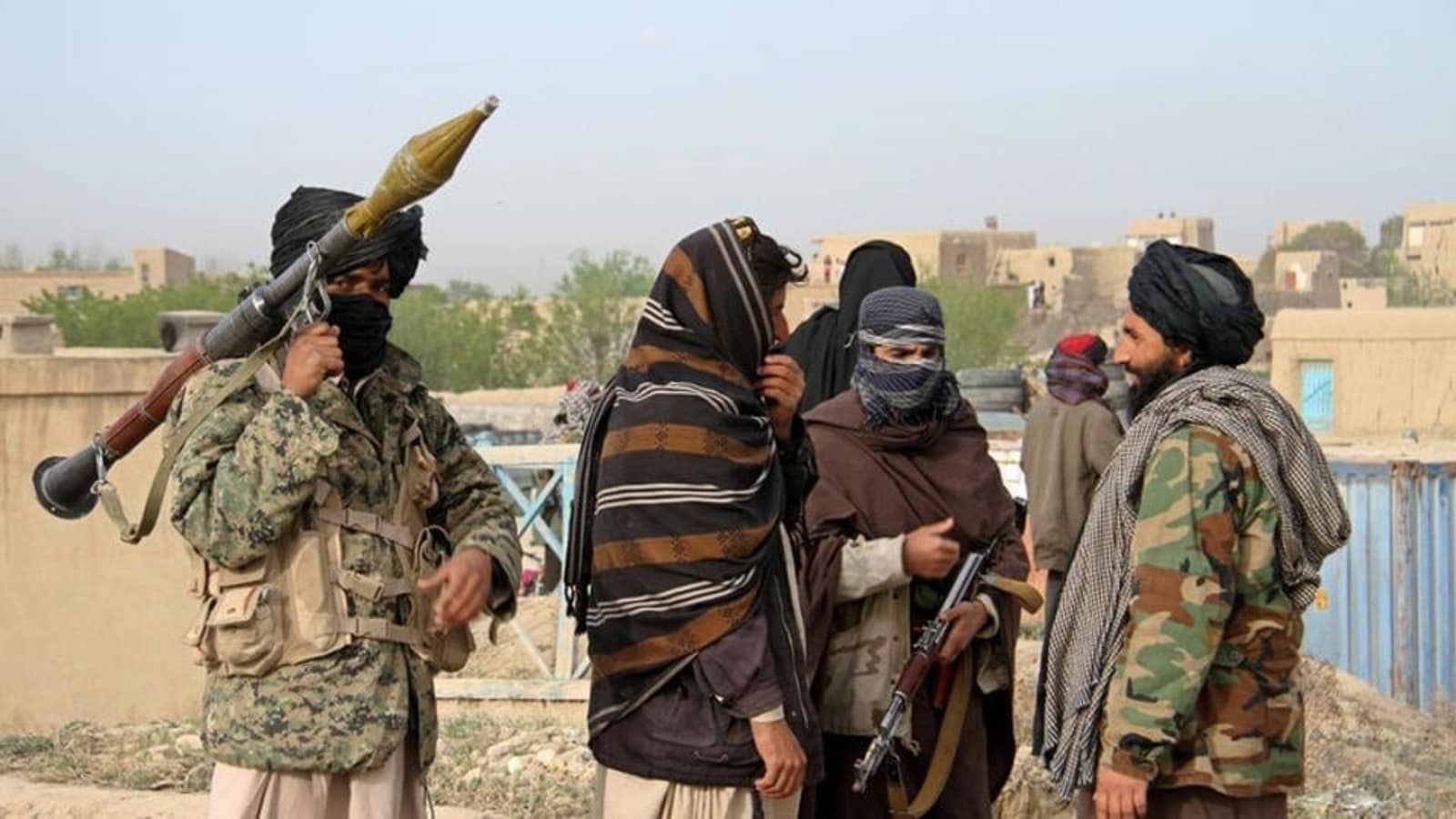
The TTP’s 2025 report projects an image of renewed strength and nationwide reach. In reality, it reflects a border-bound, fugitive insurgency using inflated statistics and psychological warfare to mask sustained pressure from Pakistan’s intelligence-led counter-terrorism campaign and the regional impact of instability in Afghanistan.

Read More »
An analysis of Qatar’s neutrality, Al Jazeera’s framing of Pakistan, and how narrative diplomacy shapes mediation and regional security in South Asia.

Qatar’s Dubious Neutrality and the Narrative Campaign Against Pakistan

Qatar’s role in South Asia illustrates how mediation and media narratives can quietly converge into instruments of influence. Through Al Jazeera’s selective framing of Pakistan’s security challenges and Doha’s unbalanced facilitation with the Taliban, neutrality risks becoming a performative posture rather than a principled practice. Mediation that avoids accountability does not resolve conflict, it entrenches it.

Read More »
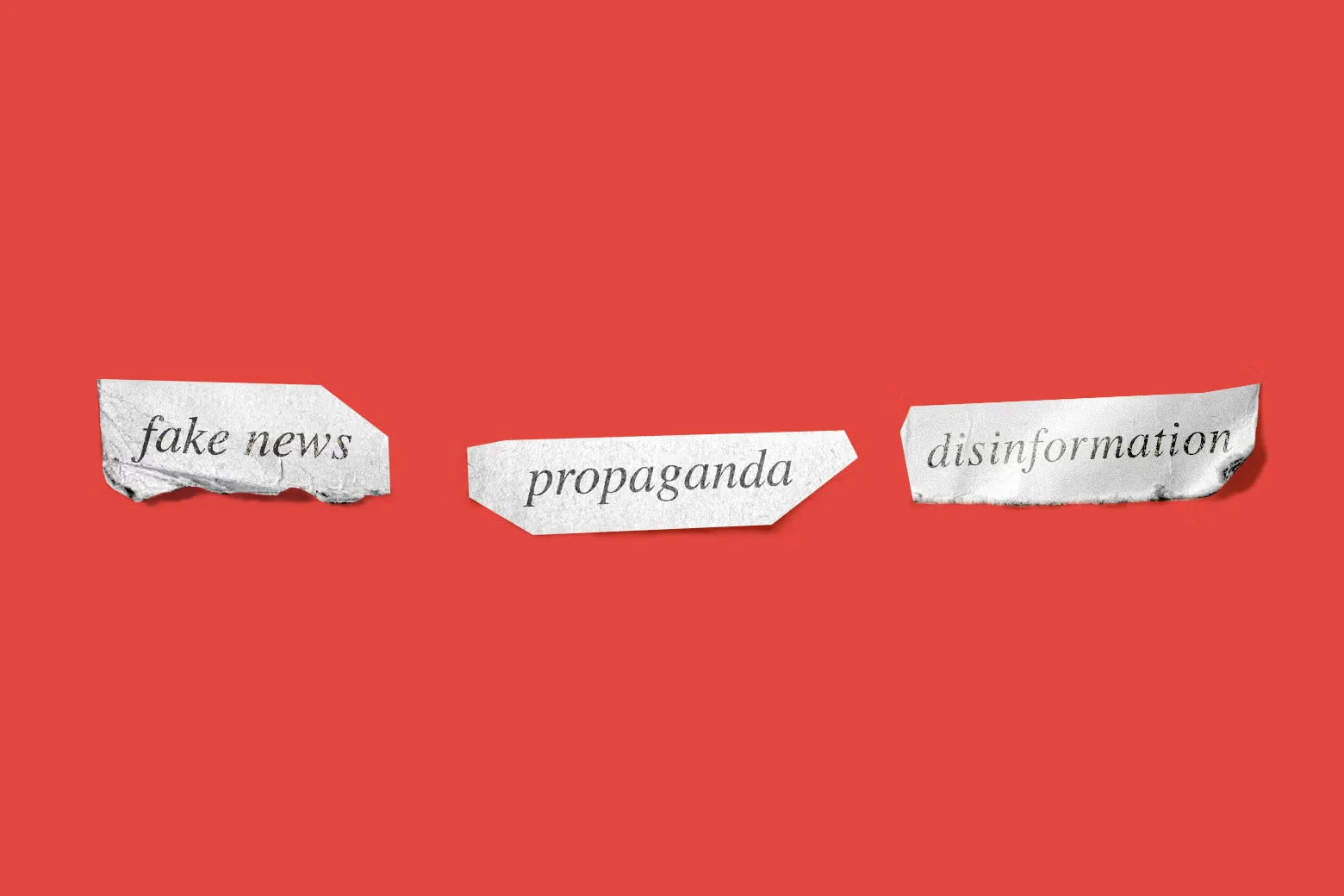
A fact-based rebuttal of claims about Pakistani troop deployment in Gaza, exposing disinformation and reaffirming Pakistan’s UN-mandated peacekeeping doctrine.

Debunking the Gaza Deployment Narrative

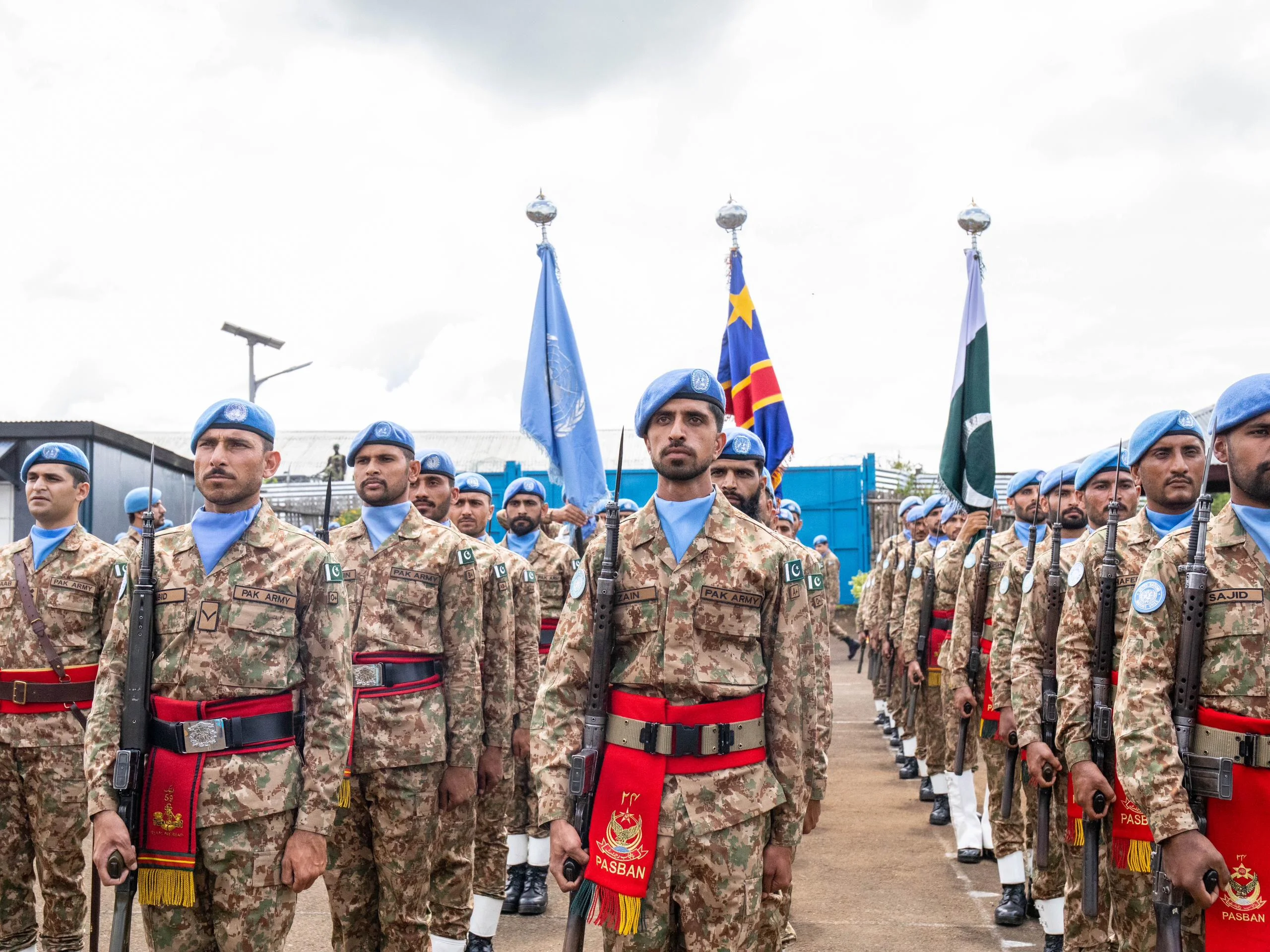
False claims of a Pakistani troop deployment to Gaza, amplified by disinformation networks, were firmly rejected by the Foreign Office, reaffirming that Pakistan’s military operates only under UN mandates and constitutional limits.

Read More »
How APS Redefined Pakistan’s Strategic Culture

How APS Redefined Pakistan’s Strategic Culture

APS was the moment Pakistan’s long-standing ambiguity on militancy collapsed. The murder of schoolchildren forced an organic securitization of terrorism, enabling extraordinary measures and a redefinition of the militant as an existential, illegitimate enemy.

Read More »
Deconstructing the Pakistan-Afghanistan Economic Crisis

Deconstructing the Pakistan-Afghanistan Economic Crisis

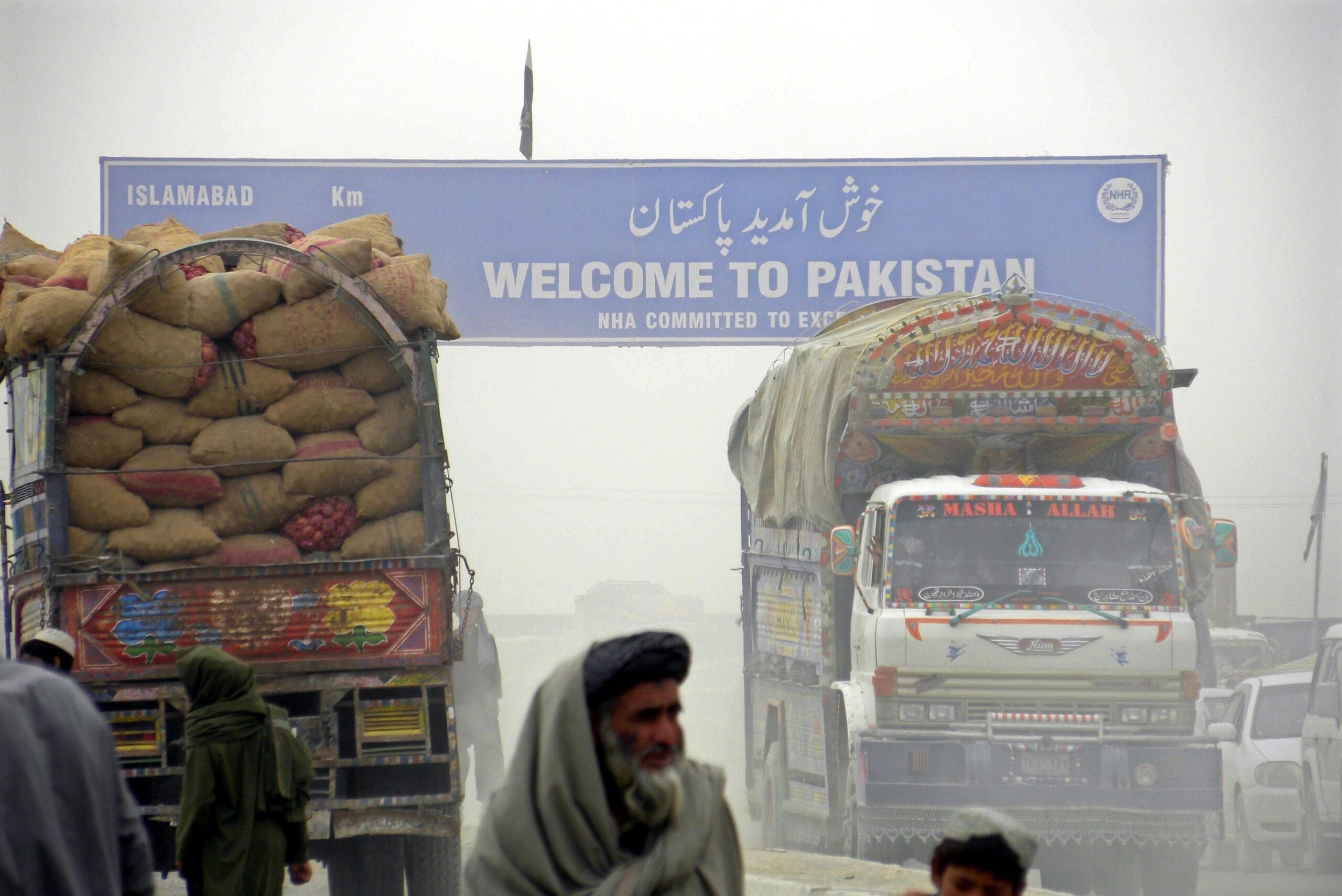
The Pakistan-Afghanistan trade freeze is widely framed as a punitive economic move, yet its roots lie in a severe security breakdown emanating from Afghan territory. Pakistan’s transit closures are reactive, not aggressive, and Afghanistan’s deep logistical dependence on Pakistani routes exposes the crisis as geopolitical, not commercial.

Read More »
A critical analysis of Drop Site News’ report alleging a UK–Pakistan “swap deal,” exposing its reliance on anonymous sources, partisan framing, and legally impossible claims.

Anonymous Sources, Big Claims, Thin Ground

A recent Drop Site News report claims a covert UK–Pakistan exchange of convicted sex offenders for political dissidents. But a closer look shows the story rests on hearsay, anonymous insiders, and a narrative shaped more by partisan loyalties than evidence. From misrepresenting legally declared propagandists as persecuted critics to ignoring the legal impossibility of such a swap, this report illustrates how modern journalism can slip into activism. When sensational claims outrun facts and legality, credibility collapses, and so does the line between holding power accountable and manufacturing a story.

Read More »