Governance & Public Policy

The New Dutch Disease

The New Dutch Disease

The Dutch Disease has evolved. In today’s Global South, it is no longer driven only by oil and gas but by aid, remittances, and strategic rents that create fragile, consumption-led economies while eroding state capacity, productivity, and social trust.
Read More »
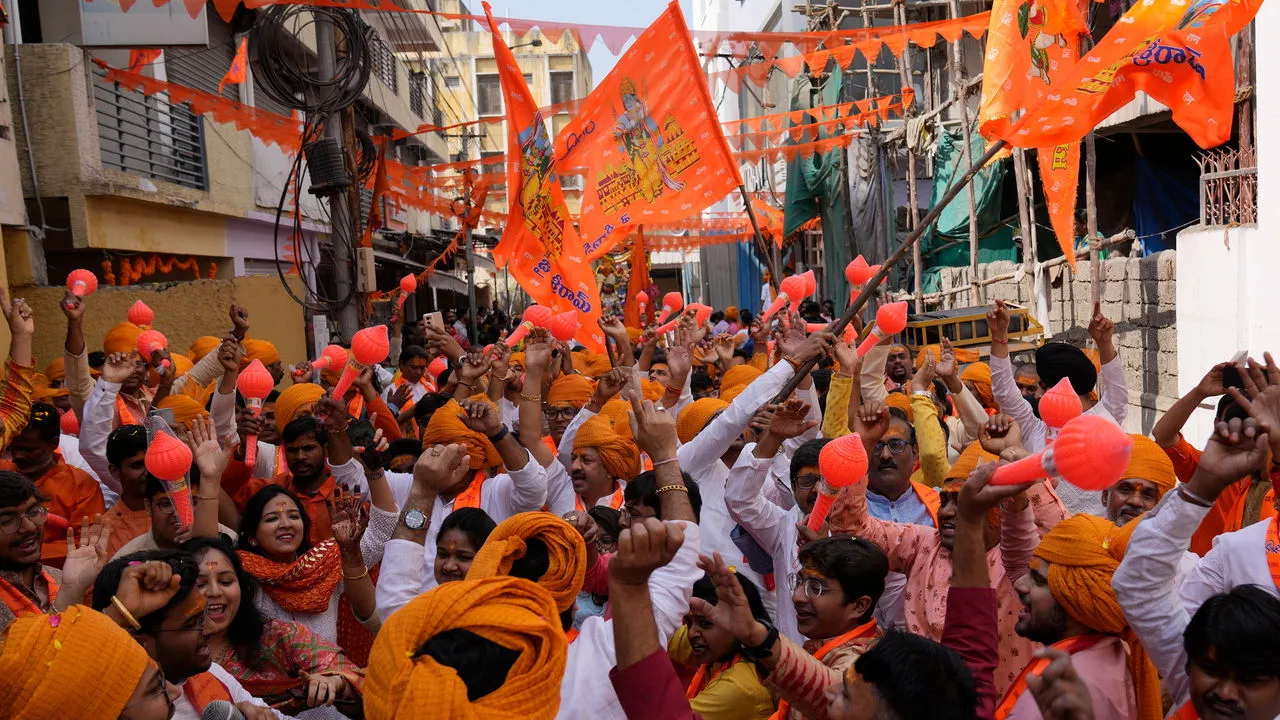
The Structural Costs of Hindutva Governance

The Structural Costs of Hindutva Governance

India’s shift toward Hindutva governance has transformed identity into policy. As citizenship, culture, and power merge, over 28 crore minorities are pushed to the margins—fracturing institutions, normalising exclusion, and leaving long-term scars on the republic’s social fabric.

Read More »
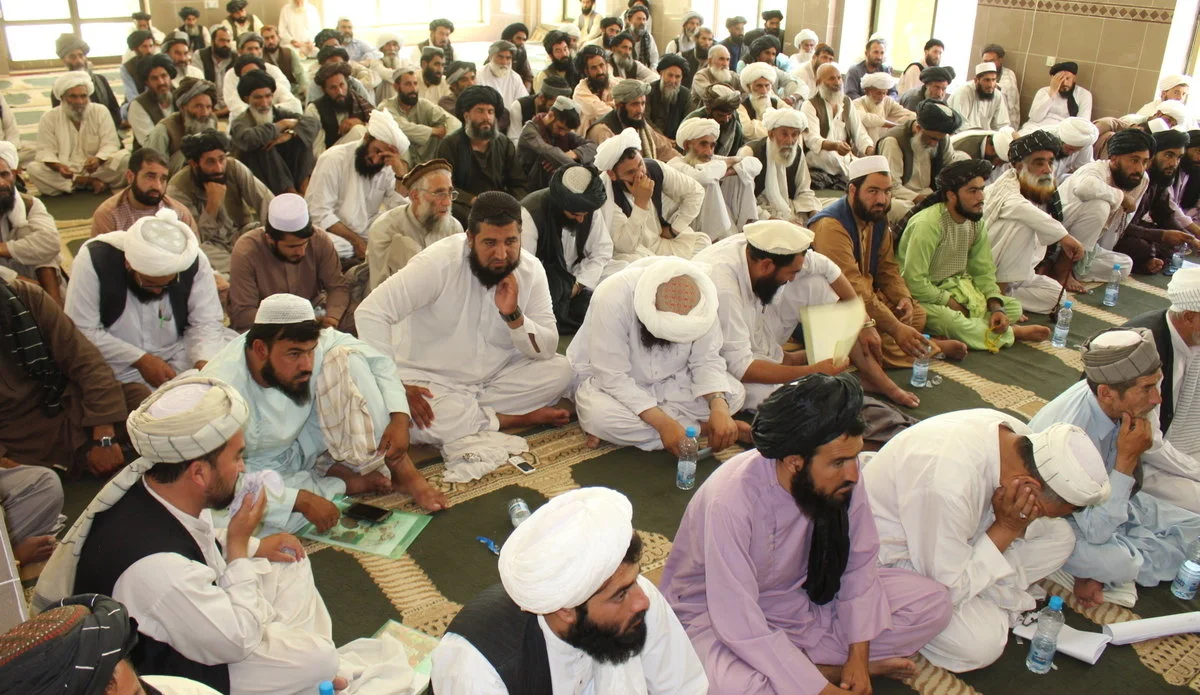
How Taliban's Performative Governance Masks Gender Apartheid

How Taliban’s Performative Governance Masks Gender Apartheid

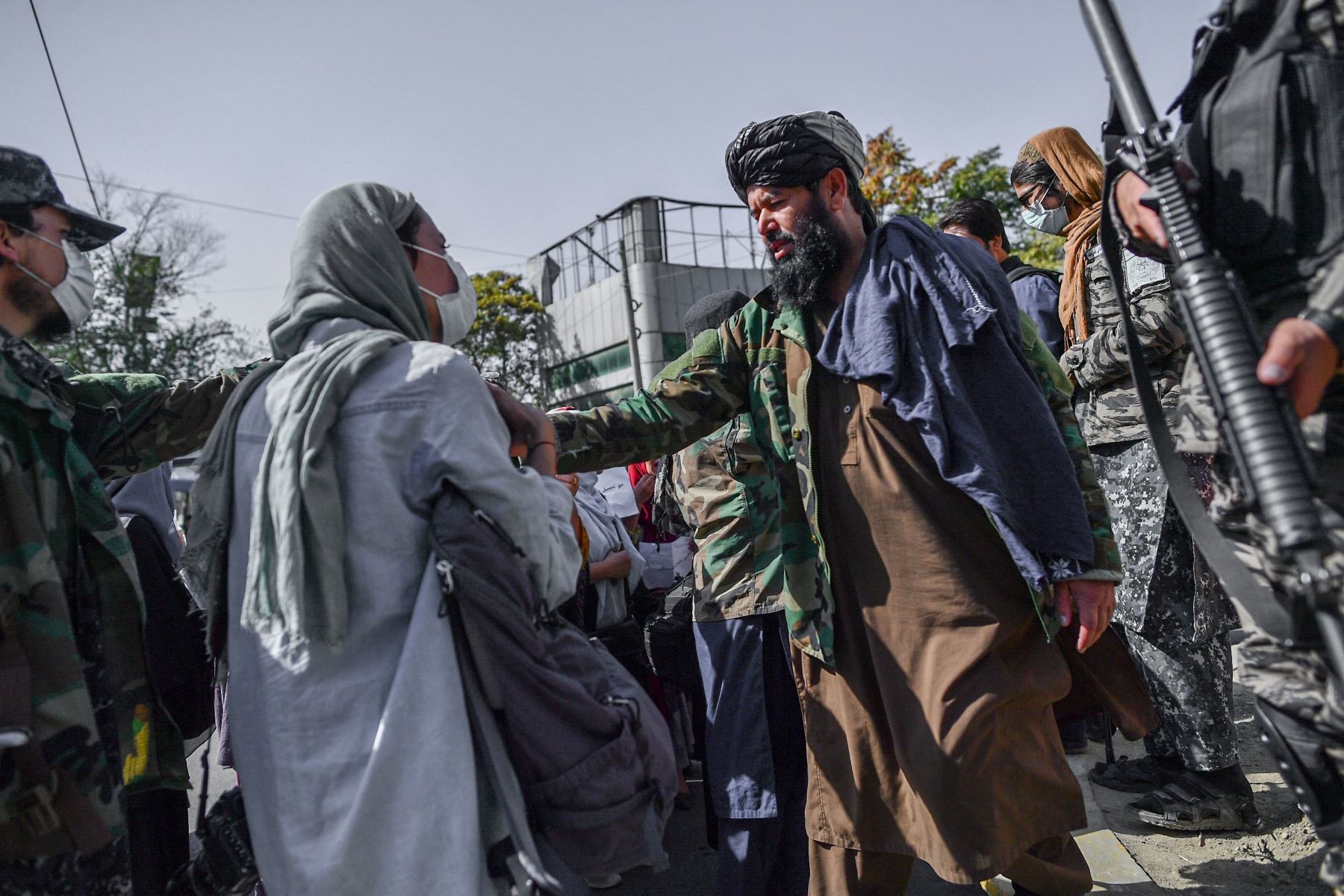
Behind Taliban social media showcases of female factory work lies a Potemkin model of governance. Selective visibility and performative economics obscure a system of gender apartheid, educational exclusion, and long-term economic decline. Drawing on UN and rights-group data, this analysis exposes how propaganda-driven inclusion narratives collapse under empirical scrutiny.

Read More »
The Taliban Regime and the 2025 Global CFT Framework

The Taliban Regime and the 2025 Global CFT Framework

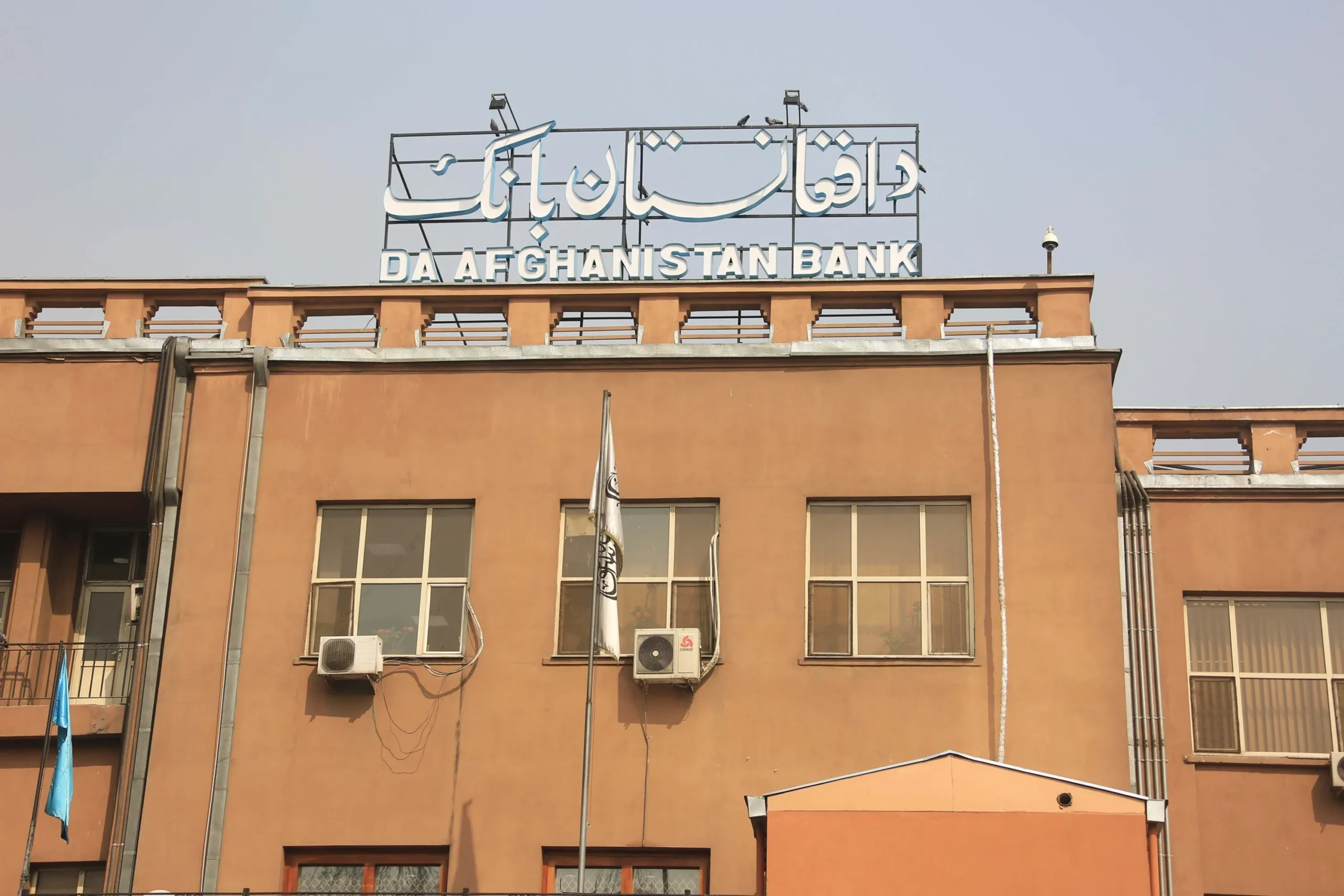
Despite consolidating internal control and boosting revenues, the Taliban remain structurally incompatible with the 2025 global Counter-Terrorism Financing regime, as sanctions, militant linkages, and gender persecution block financial reintegration.

Read More »
Herat tragedy claims 30 lives, exposing Afghanistan’s governance failures, unsafe migration, and escalating humanitarian crisis.

Herat Border Tragedy: The Deadly Consequences of Afghanistan’s Governance Failures

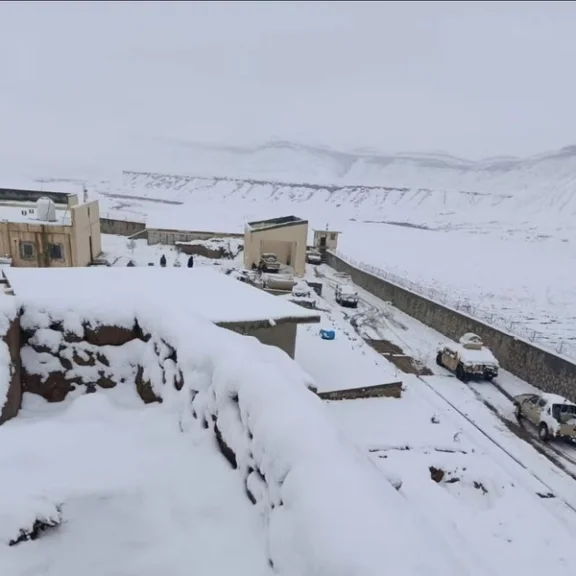
The Herat border tragedy, is a stark illustration of the human cost of Afghanistan’s governance failures. With limited economic opportunities, widespread poverty, and insufficient social support, families are forced to undertake life-threatening journeys across freezing mountains. The incident underscores the urgent need for the Afghan government to provide stable livelihoods, establish safe migration routes, and strengthen healthcare and social services, as humanitarian risks continue to escalate across the country.

Read More »
The Defund Taliban Campaign

The Defund Taliban Campaign

The Defund Taliban Campaign examines how indirect US funding and a $7 billion abandoned arsenal have turned the Taliban into a regional force multiplier for militant groups.

Read More »
The Taliban’s new fatwa banning foreign militancy signals a shift in doctrine, but rising regional attacks and ideological fractures raise questions about its enforceability.

Doctrine vs Reality: Can the Taliban Enforce Their Ban on Foreign Militants?

The Taliban’s new fatwa banning foreign militants has been hailed by officials in Kabul as a decisive theological shift. But rising attacks in the north, continued TTP operations, and mounting pressure from Washington expose a widening gap between doctrine and reality. As regional powers demand proof of enforcement, the decree risks becoming another symbolic gesture unless it translates into measurable action on the ground.

Read More »
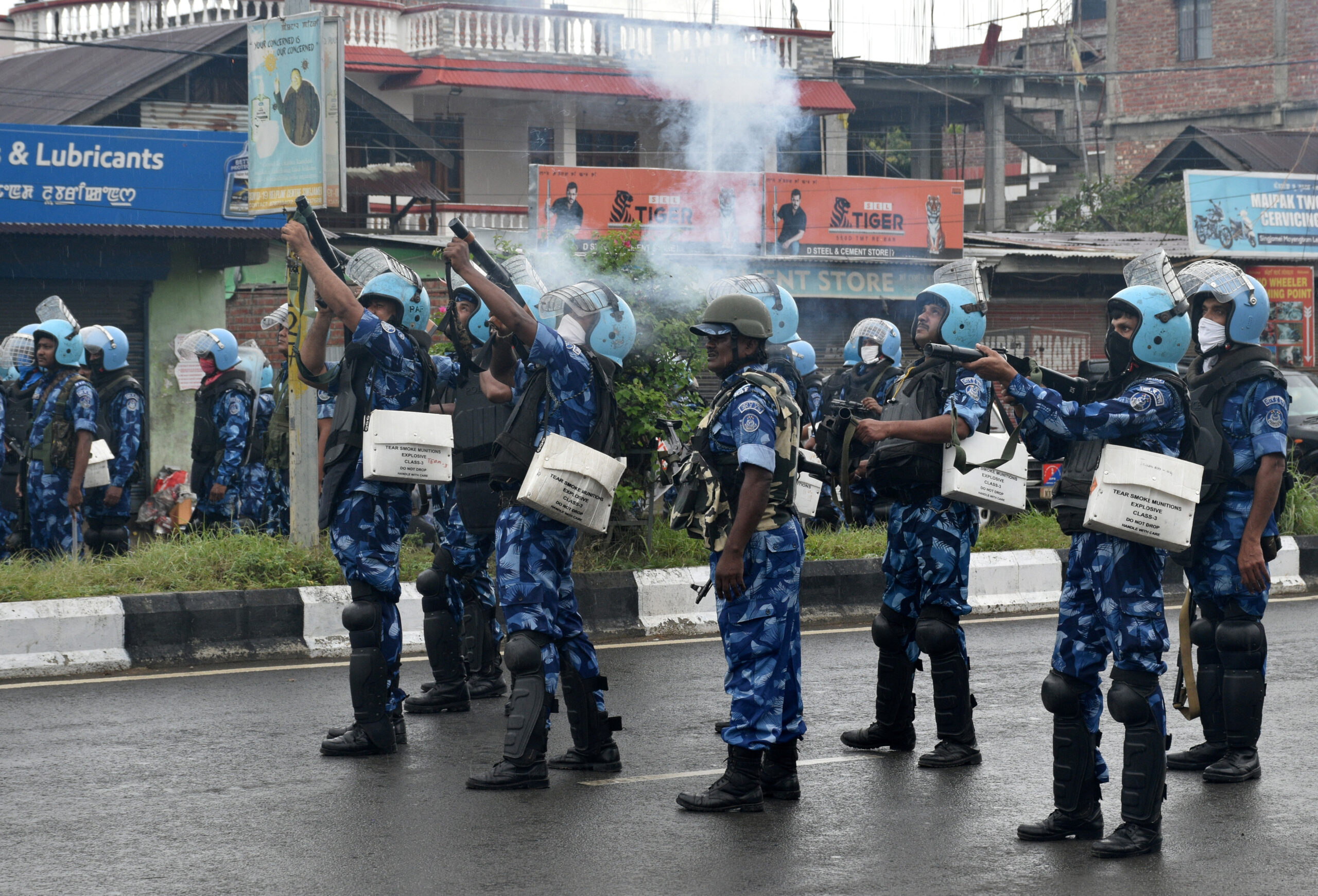
Criminalising Dissent: How New Laws and “Public Order” Politics Are Shrinking Democratic Space in India

Criminalising Dissent: How New Laws and “Public Order” Politics Are Shrinking Democratic Space in India

India is witnessing a steady erosion of democratic freedoms as broad security laws, digital surveillance, and administrative restrictions redefine dissent as a threat rather than a constitutional right. From expanded use of UAPA and IT Rules to routine protest crackdowns and shrinking academic space, the cumulative impact is a quieter and increasingly constrained civic sphere.

Read More »