
Extremism Beyond Poverty
This case underscores a growing paradox: in the digital age, ideological extremism can emerge within affluent, well-integrated communities far removed from traditional drivers of radicalization.

This case underscores a growing paradox: in the digital age, ideological extremism can emerge within affluent, well-integrated communities far removed from traditional drivers of radicalization.
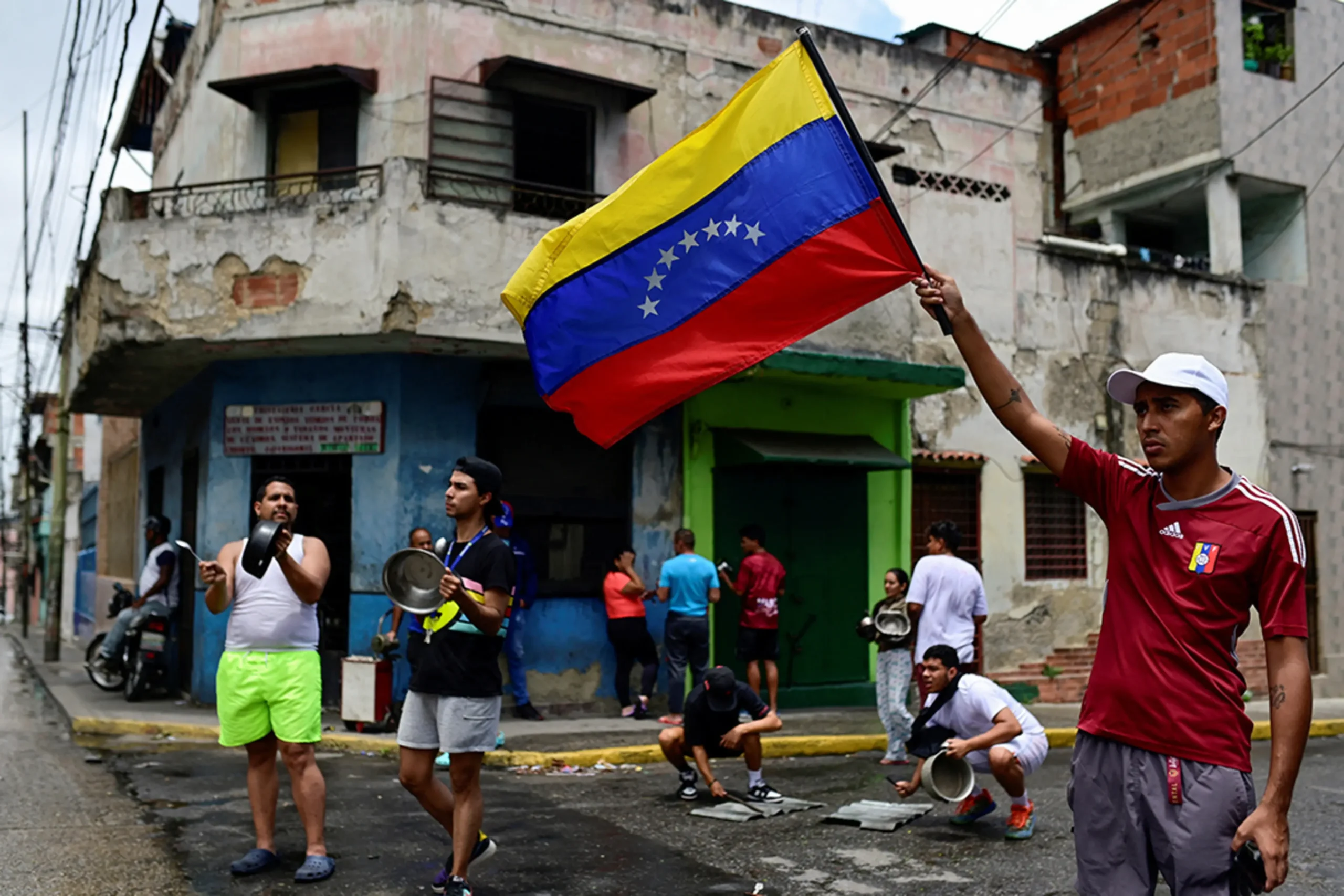
On January 3, 2026, the capture of Nicolás Maduro by US Special Forces brought a thunderous end to twenty-five years of Bolivarian rule. As Washington moves to oversee the reconstruction of Venezuela’s energy infrastructure, the world is left to grapple with the return of naked unilateralism and the uncertain future of a nation sitting atop 300 billion barrels of oil.

The Defund Taliban Campaign examines how indirect US funding and a $7 billion abandoned arsenal have turned the Taliban into a regional force multiplier for militant groups.
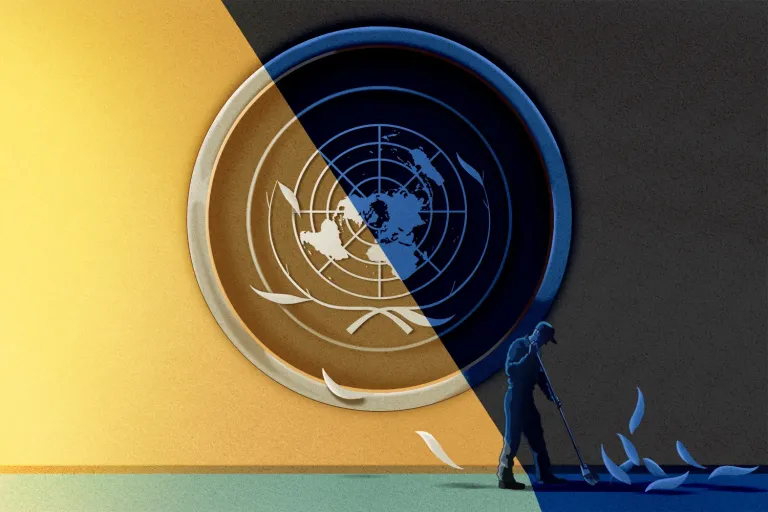
The 2025 U.S. National Security Strategy marks a decisive break from the post-1945 liberal order, replacing globalism and multilateralism with a neo-Westphalian focus on sovereign nation-states, fortified borders, and exclusionary spheres of influence. It signals America’s retreat from global leadership and the return of great-power rivalry.

As the United States recalibrates technological ties with China, selective decoupling reshapes industry, security strategy, and global supply chains toward strategic self-reliance.