Themes

As instability spreads from Afghanistan’s north, Tajikistan faces renewed militant pressure, exposing the limits of regional security guarantees and Taliban governance.

The Return of Insurgency in Central Asia

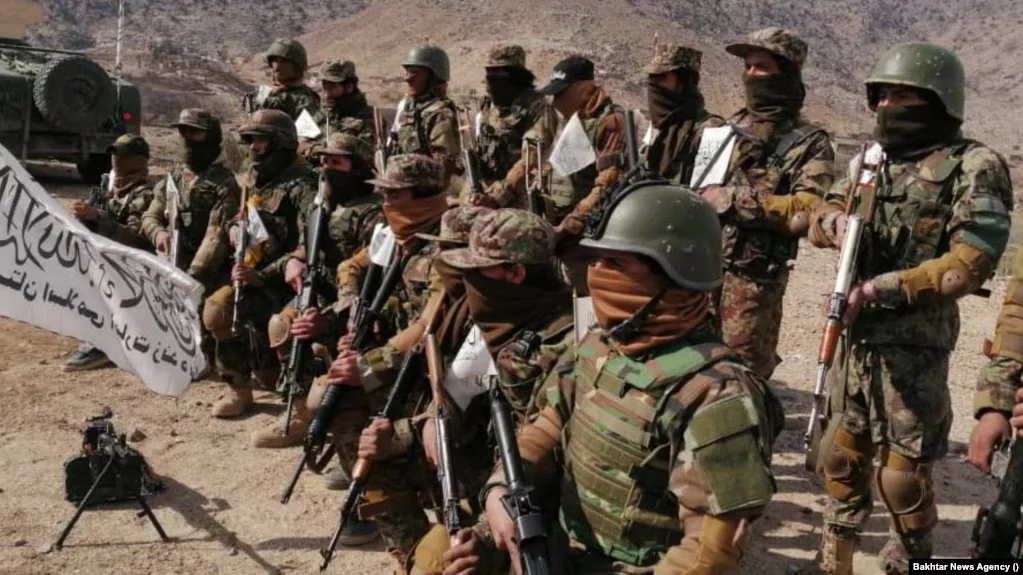
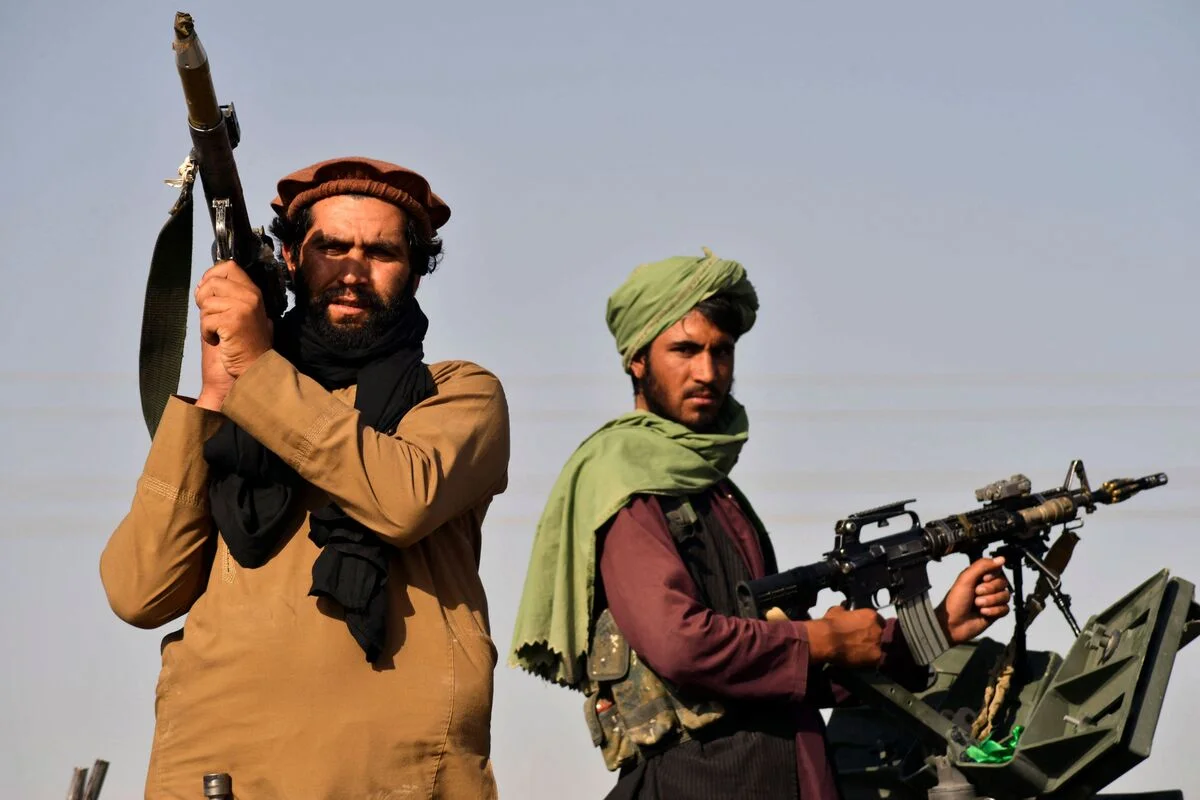
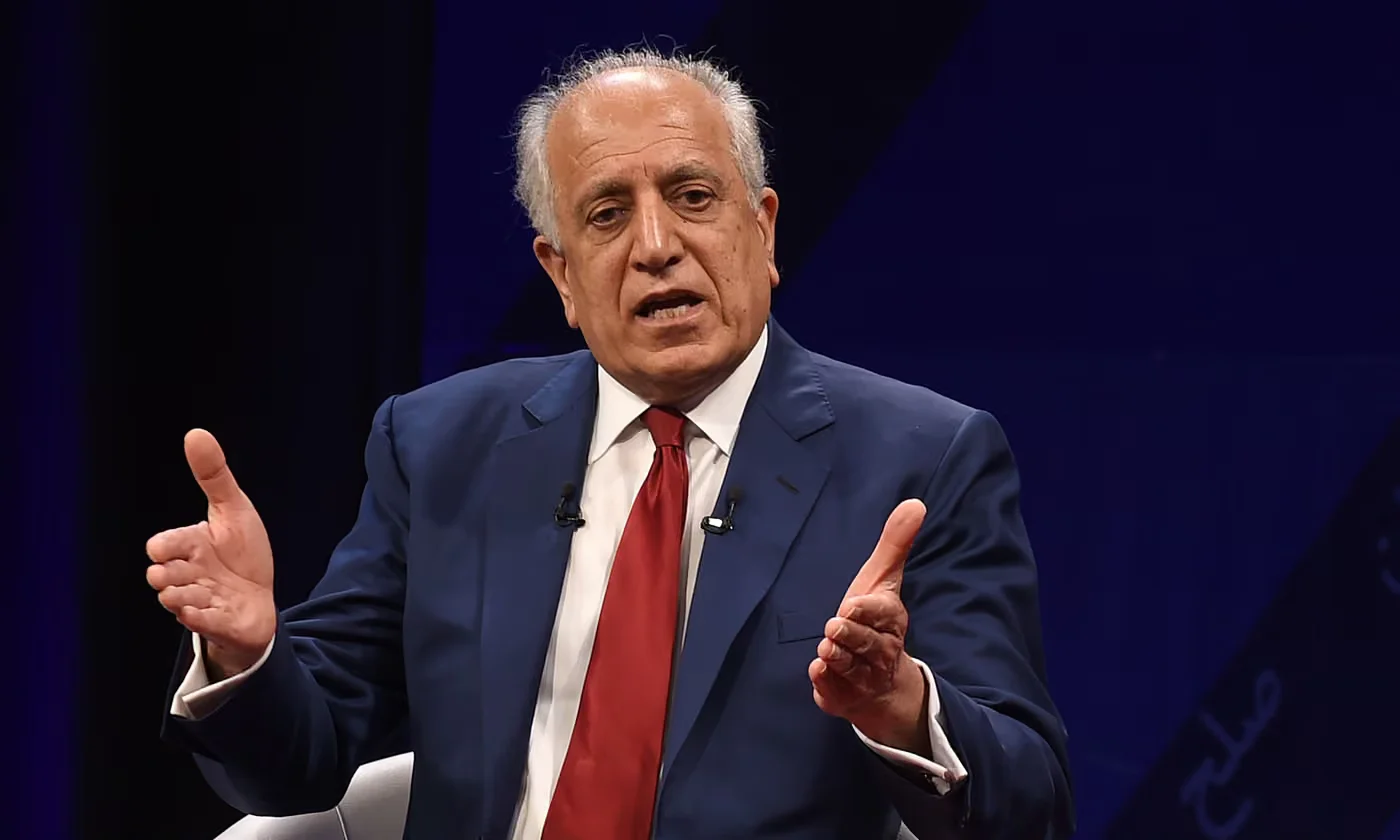
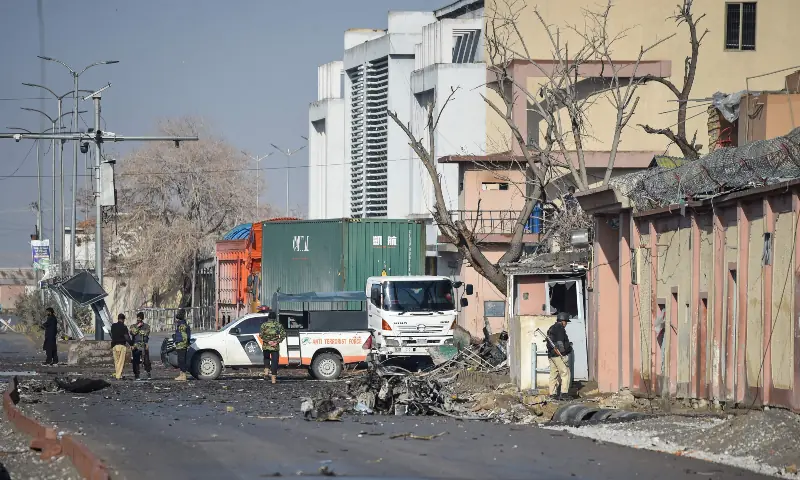
A series of cross-border incidents along the Afghanistan–Tajikistan frontier has raised fears of a renewed insurgent threat in Central Asia. As militant networks regroup in northern Afghanistan, regional governments are questioning long-held assumptions about Taliban governance, Russian security guarantees and the durability of the post-Soviet order.

Read More »
Is an Islamic NATO emerging? Pakistan, Turkey, and Saudi Arabia explore a trilateral defense pact reshaping Middle East and South Asian security.

Toward an Islamic NATO?

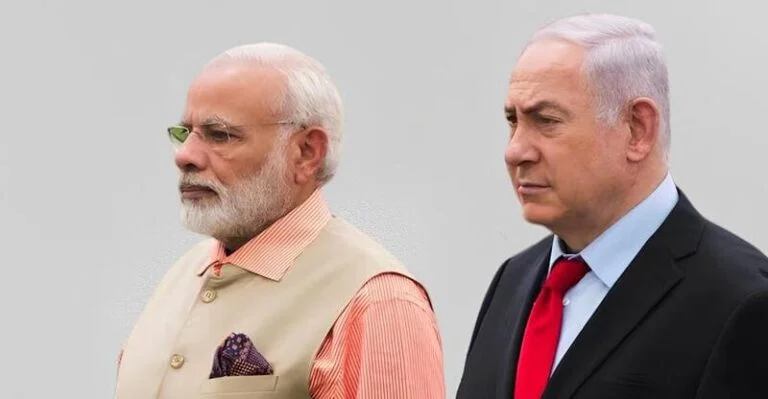
In a rapidly fragmenting global order, Pakistan, Turkey, and Saudi Arabia are exploring a trilateral defense arrangement that could redefine regional security architectures. Often dubbed an Islamic NATO, the proposed pact reflects a broader shift by middle powers toward strategic autonomy as US security guarantees wane. This convergence signals the merging of Middle Eastern and South Asian strategic theaters into a single geopolitical map.

Read More »
Durand Line shifts from frontier to hard border, reshaping jihadist networks, militancy, and Pakistan-Afghanistan’s security landscape.

Militancy, Borderization, and the Politics of a Frontier

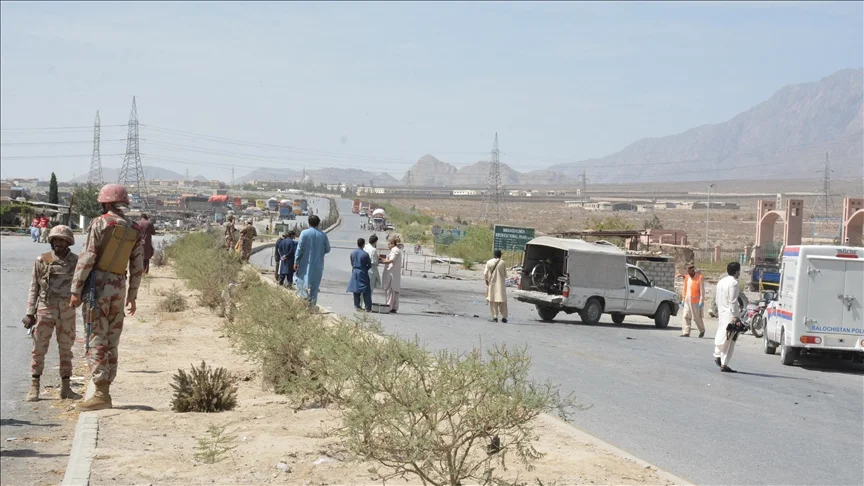
The Durand Line’s transformation from a porous frontier to a fenced border is altering militant strategies, funding, and regional security. Jihadist networks like TTP and IS-K are adapting to these changes while local populations face social and economic pressures.

Read More »
Bagram Airbase, US Aid, and Afghanistan’s Strategic-Humanitarian Dilemma

Bagram Airbase, US Aid, and Afghanistan’s Strategic-Humanitarian Dilemma

Sources suggest the Taliban has offered immediate access to Bagram Airbase for potential strikes against Iran in exchange for continued U.S. aid. Beyond military leverage, the offer underscores Afghanistan’s acute humanitarian crisis and the Taliban’s reliance on external support, highlighting the complex interplay between strategy, politics, and survival in a fragile state.

Read More »
Is Social Media Neutral?

Is Social Media Neutral?

Social media platforms are not neutral arenas of free expression. Powered by opaque algorithms and AI-driven amplification, they increasingly shape political narratives and public perception, prompting non-Western states to frame platform regulation not as censorship, but as a question of digital and cognitive sovereignty.

Read More »
The Mainstreaming of Islamophobia

The Mainstreaming of Islamophobia

The attack on a Victorian Imam and his wife in Melbourne is not an isolated crime but the logical outcome of a political climate that has normalized Islamophobia. As anti-Muslim rhetoric moves from the fringes into mainstream Western discourse, religious identity is recast as a security threat, creating the conditions for violence and unequal protection under the law.

Read More »
Pakistan’s shift from arms importer to defense exporter reveals how indigenous military industry has become central to sovereignty in a fragmented global order.

Pakistan’s Defense Industrial Breakout

As the liberal international order fragments, Pakistan has executed a decisive shift from defense dependency to indigenous production. Through exports, combat validation, and joint industrialization, Islamabad is redefining sovereignty as an industrial and diplomatic asset.

Read More »
Andy Halus’s interview signals a shift in US–Pakistan relations toward minerals, education, and soft power, marking a post-security partnership in 2026.

The New Architecture of US–Pakistan Relations

Andy Halus’s interview signals a strategic shift in US–Pakistan relations from security-centric ties to a multidimensional partnership centered on minerals, education, and soft power. Projects like Reko Diq now stand as the key test of this new architecture.

Read More »
The New Dutch Disease

The New Dutch Disease

The Dutch Disease has evolved. In today’s Global South, it is no longer driven only by oil and gas but by aid, remittances, and strategic rents that create fragile, consumption-led economies while eroding state capacity, productivity, and social trust.

Read More »