Themes

Criminalising Dissent: How New Laws and “Public Order” Politics Are Shrinking Democratic Space in India

Criminalising Dissent: How New Laws and “Public Order” Politics Are Shrinking Democratic Space in India

India is witnessing a steady erosion of democratic freedoms as broad security laws, digital surveillance, and administrative restrictions redefine dissent as a threat rather than a constitutional right. From expanded use of UAPA and IT Rules to routine protest crackdowns and shrinking academic space, the cumulative impact is a quieter and increasingly constrained civic sphere.

Read More »
The Taliban’s Gamble with Afghan Healthcare

The Taliban’s Gamble with Afghan Healthcare

The Taliban’s ban on Pakistani pharmaceutical imports is pushing Afghanistan toward a severe drug shortage. Driven by ideological ties to the TTP and escalating border tensions with Pakistan, this political maneuver threatens public health, inflates medicine costs, and leaves ordinary Afghans to bear the consequences of a crisis rooted in strategic posturing rather than market forces or natural disaster.

Read More »
An analysis of how the Taliban’s promised 2021 amnesty has collapsed into widespread arrests, killings, and repression, echoing historical patterns of Taliban rule.

A New Afghanistan, Old Methods

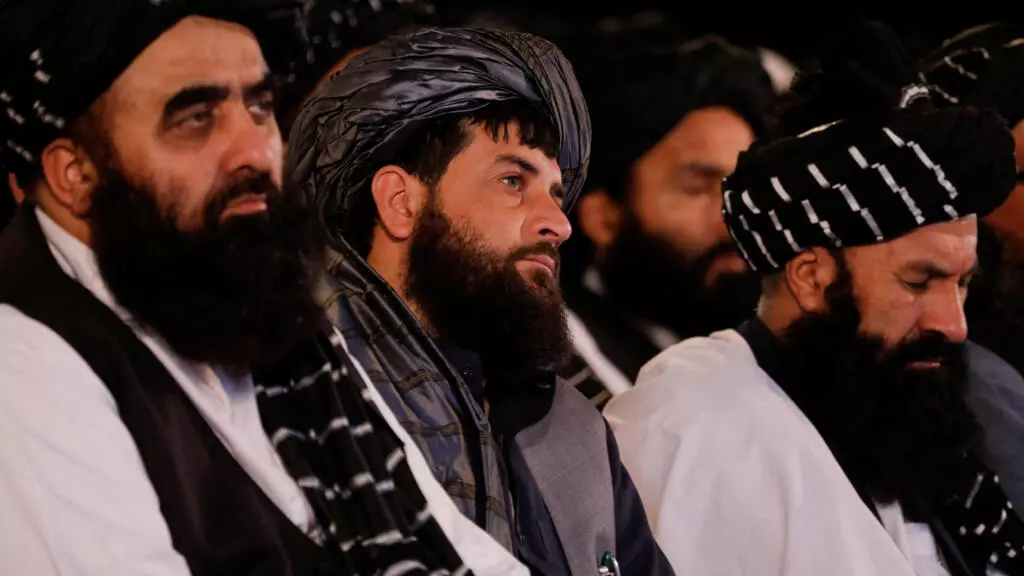
The Taliban’s 2021 promise of a general amnesty has collapsed into systematic arrests, disappearances, and killings—especially in Panjshir. Despite assurances of moderation, evidence from 2021–2025 shows a deliberate campaign to eliminate former officials, suppress dissent, and rule through fear, mirroring the Taliban’s historical patterns of coercion and violence.

Read More »
Oil, Ports, and Proxies: The Battle for Hadhramawt and the Red Sea

Oil, Ports, and Proxies: The Battle for Hadhramawt and the Red Sea

The expulsion of Saudi-backed forces from Hadhramawt by UAE-aligned proxies signals the collapse of the Riyadh-Abu Dhabi alliance. In Yemen and Sudan, Abu Dhabi leverages non-state actors to secure ports, resources, and influence, while Riyadh prioritizes state stability and territorial consolidation. The result: a regional realignment where Gulf unity gives way to fierce intra-Gulf competition.

Read More »
India’s Coercive Foreign Policy in 2025 By Farwa Imtiaz

India’s Coercive Foreign Policy in 2025

India’s foreign policy in 2025 marks a clear break from its earlier soft-power orientation, shifting toward overt coercion and interference. Once seen as a restrained global actor, India now increasingly relies on hard power, diplomatic pressure, and transnational repression to shape external outcomes. Through cases in Canada, Pakistan, Bangladesh, and Türkiye, this article shows how India has adopted a more assertive—and often destabilizing—approach to protect its expanding ambitions, using tools ranging from foreign interference to military escalation and economic coercion.

Read More »
The End of Liberal Internationalism

The End of Liberal Internationalism

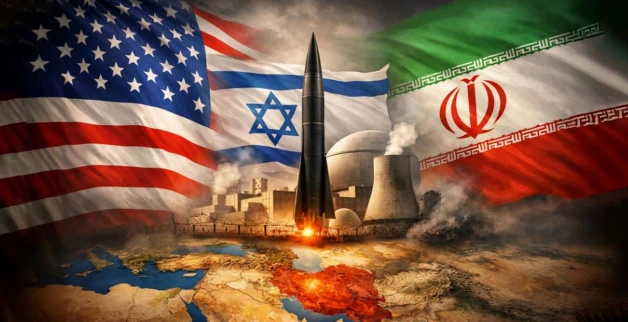
The 2025 U.S. National Security Strategy marks a decisive break from the post-1945 liberal order, replacing globalism and multilateralism with a neo-Westphalian focus on sovereign nation-states, fortified borders, and exclusionary spheres of influence. It signals America’s retreat from global leadership and the return of great-power rivalry.

Read More »
Pakistan-Only? The TTP’s Transnational Reality

Pakistan-Only? The TTP’s Transnational Reality

While the TTP publicly claims its insurgency targets only Pakistan, evidence reveals a transnational reality. Supported by Afghan fighters and resources, and shaped by the Afghan Taliban’s strategic interests, the TTP exemplifies cross-border proxy warfare. Understanding its structure, motivations, and operational networks challenges simplistic “Pakistan-only” narratives and underscores the enduring complexities of South Asian security.

Read More »
A deep dive into how the Afghan Taliban weaponises anti-Pakistan rhetoric to mask governance failures, rising poverty, and Afghanistan’s growing security meltdown.

The Politics of Blame

Afghanistan’s leadership has responded to recent international backlash by amplifying a narrative that frames Pakistan as the root of all Afghan crises. This rhetoric, pushed by senior Taliban officials, serves as a diversion from Kabul’s own administrative paralysis, economic collapse, and its complicity in enabling militant groups like the TTP. As poverty deepens and Afghanistan becomes a hub for dozens of terrorist outfits, the politics of blame has become the Taliban’s primary tool for deflecting scrutiny.

Read More »