Bangladesh Sides with Pakistan and China Amidst Strained Relationship with India

Amidst strained relations with New Delhi, Bangladesh sides with Pakistan and China as its PM signals a shift to closer Pak-China ties.

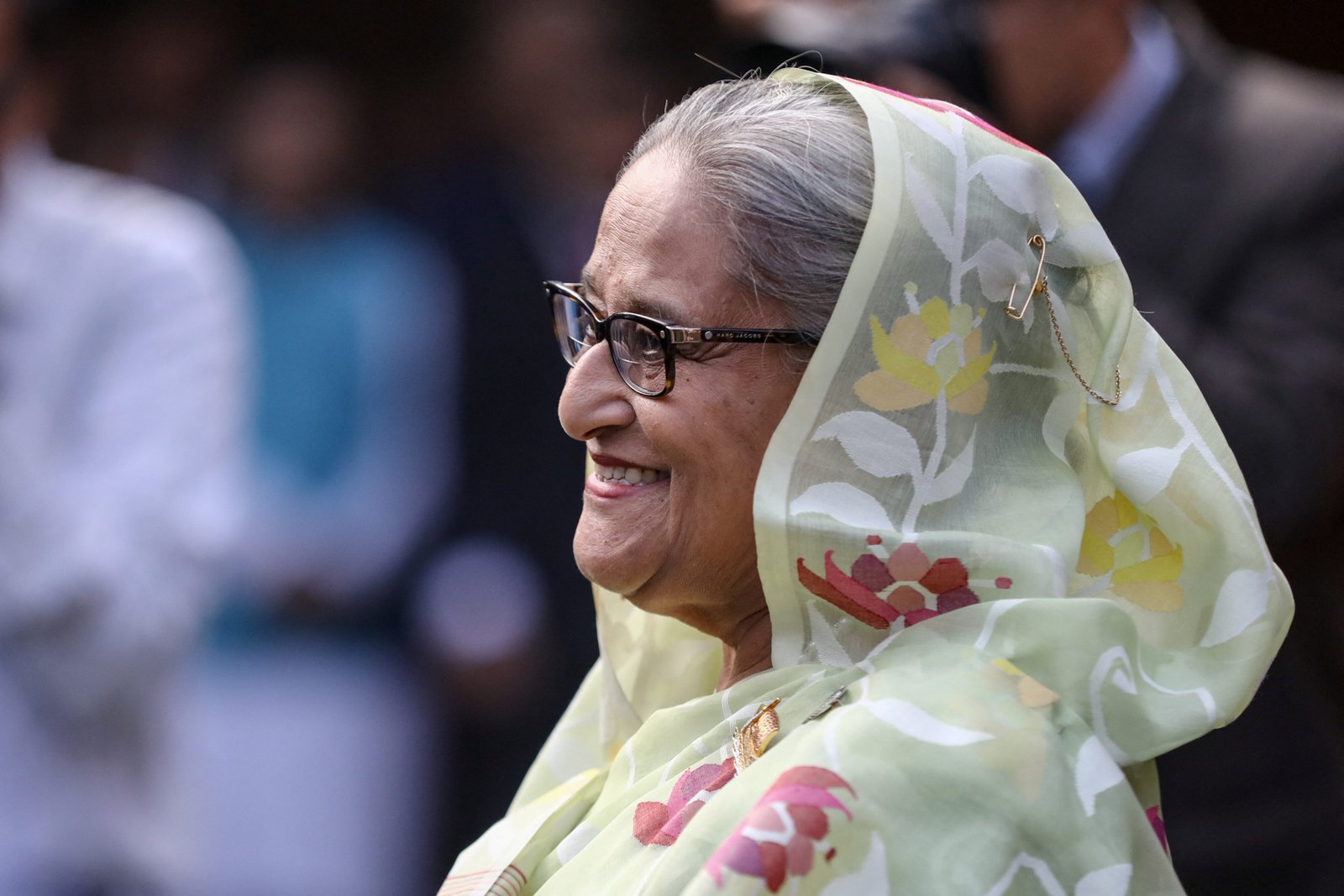
China is getting more support from Dhaka after the re-election of Bangladesh’s prime minister Hasina Wajid. At the same time, Indian projects in Bangladesh have been at a slow pace as compared to Chinese infrastructure projects. Dhaka is ignoring Delhi authorities and siding with China. As Bhorer Kagoj, a prominent daily reported.

Bangladeshi PM Ignores India

“Despite India’s concern, Bangla­desh has given the contract of building an airport terminal in Sylhet to a Chi­nese company. Indian High Commi­ssioner Riva Ganguly Das tried for four months to get an appointment with the prime minister of Bangladesh but did not get it. Bangladesh has not even sent a note of appreciation to India in response to Indian assistance for the Covid-19 pandemic,” said the newspaper’s editor Shyamal Dutta in an article.

Beijing Urban Construction Group (BUCG) has received the contract for building a new terminal in MAG Osmania Airport of Sylhet. This area is near India’s northeastern region. The Northeast area of India has many fault lines. After passing of national register of citizens and the Citizenship Amendment bill this area faced violent protests. Government infrastructure was damaged and railway trains were torched.  and is, therefore, considered a sensitive area for New Delhi.

According to India’s leading news outlet The Hindu, A diplomatic source from the Bangladesh High Commission here has confirmed that the Indian envoy had sought an appointment with Ms Hasina but it did not materialize.

PM Imran Khan’s Call

Pakistan’s Prime Minister Imran Khan had his first telephone conversation with Bangladesh counterpart Hasina Wajed. They discussed Pakistan’s deepening fraternal relations with Bangladesh based on mutual trust, mutual respect, and sovereign equality.

The telephone contact has come after months of efforts to normalize ties between the two South Asian countries after years of the deep freeze.

Observers were caught by surprise when Mr Siddiqui earlier this July met Bang­ladesh’s Foreign Minister A.K. Abdul Momen. Islamabad’s initiative for mending fences with Dhaka took place after current high commissioner Imran Siddiqui assumed office in February this year.

Bangladesh Sides With Pakistan

Highlighting that Bangladesh sides with Pakistan and China, the article in the prominent Bangladeshi newspaper Bhorer Kagoj said that a section of Ms Hasina’s office is actively supporting stronger ties with China. This angle was visible in the rapid improvement in ties with China’s ally Pakistan in the last 10 months.

Bangladesh opted for Pakistan’s onion supplies in November 2019 after India imposed a ban on its exports. This was the first time that Bangladesh imported agricultural items from Pakistan in the last 15 years.

India is losing its influence in the region. Earlier this month, Iran decided to go ahead with the Chahbahar railway project leaving India, although it was a joint project.


News Desk

Your trusted source for insightful journalism. Stay informed with our compelling coverage of global affairs, business, technology, and more.

Recent

An analysis of Qatar’s neutrality, Al Jazeera’s framing of Pakistan, and how narrative diplomacy shapes mediation and regional security in South Asia.

Qatar’s Dubious Neutrality and the Narrative Campaign Against Pakistan

Qatar’s role in South Asia illustrates how mediation and media narratives can quietly converge into instruments of influence. Through Al Jazeera’s selective framing of Pakistan’s security challenges and Doha’s unbalanced facilitation with the Taliban, neutrality risks becoming a performative posture rather than a principled practice. Mediation that avoids accountability does not resolve conflict, it entrenches it.

Read More »
An analysis of how Qatar’s mediation shifted from dialogue to patronage, legitimizing the Taliban and Hamas while eroding global counterterrorism norms.

From Dialogue to Patronage: How Qatar Mainstreamed Radical Movements Under the Banner of Mediation

Qatar’s diplomacy has long been framed as pragmatic engagement, but its mediation model has increasingly blurred into political patronage. By hosting and legitimizing groups such as the Taliban and Hamas without enforceable conditions, Doha has helped normalize armed movements in international politics, weakening counterterrorism norms and reshaping regional stability.

Read More »
AI, Extremism, and the Weaponization of Hate: Islamophobia in India

AI, Extremism, and the Weaponization of Hate: Islamophobia in India

AI is no longer a neutral tool in India’s digital space. A growing body of research shows how artificial intelligence is being deliberately weaponized to mass-produce Islamophobic narratives, normalize harassment, and amplify Hindutva extremism. As online hate increasingly spills into real-world violence, India’s AI-driven propaganda ecosystem raises urgent questions about accountability, democracy, and the future of pluralism.

Read More »
AQAP’s Threat to China: Pathways Through Al-Qaeda’s Global Network

AQAP’s Threat to China: Pathways Through Al-Qaeda’s Global Network

AQAP’s threat against China marks a shift from rhetoric to execution, rooted in Al-Qaeda’s decentralized global architecture. By using Afghanistan as a coordination hub and relying on AQIS, TTP, and Uyghur militants of the Turkistan Islamic Party as local enablers, the threat is designed to be carried out far beyond Yemen. From CPEC projects in Pakistan to Chinese interests in Central Asia and Africa, the networked nature of Al-Qaeda allows a geographically dispersed yet strategically aligned campaign against Beijing.

Read More »
The Enduring Consequences of America’s Exit from Afghanistan

The Enduring Consequences of America’s Exit from Afghanistan

The 2021 US withdrawal from Afghanistan was more than the end of a long war, it was a poorly executed exit that triggered the rapid collapse of the Afghan state. The fall of Kabul, the Abbey Gate attack, and the return of militant groups exposed serious gaps in planning and coordination.

Read More »