Perspectives

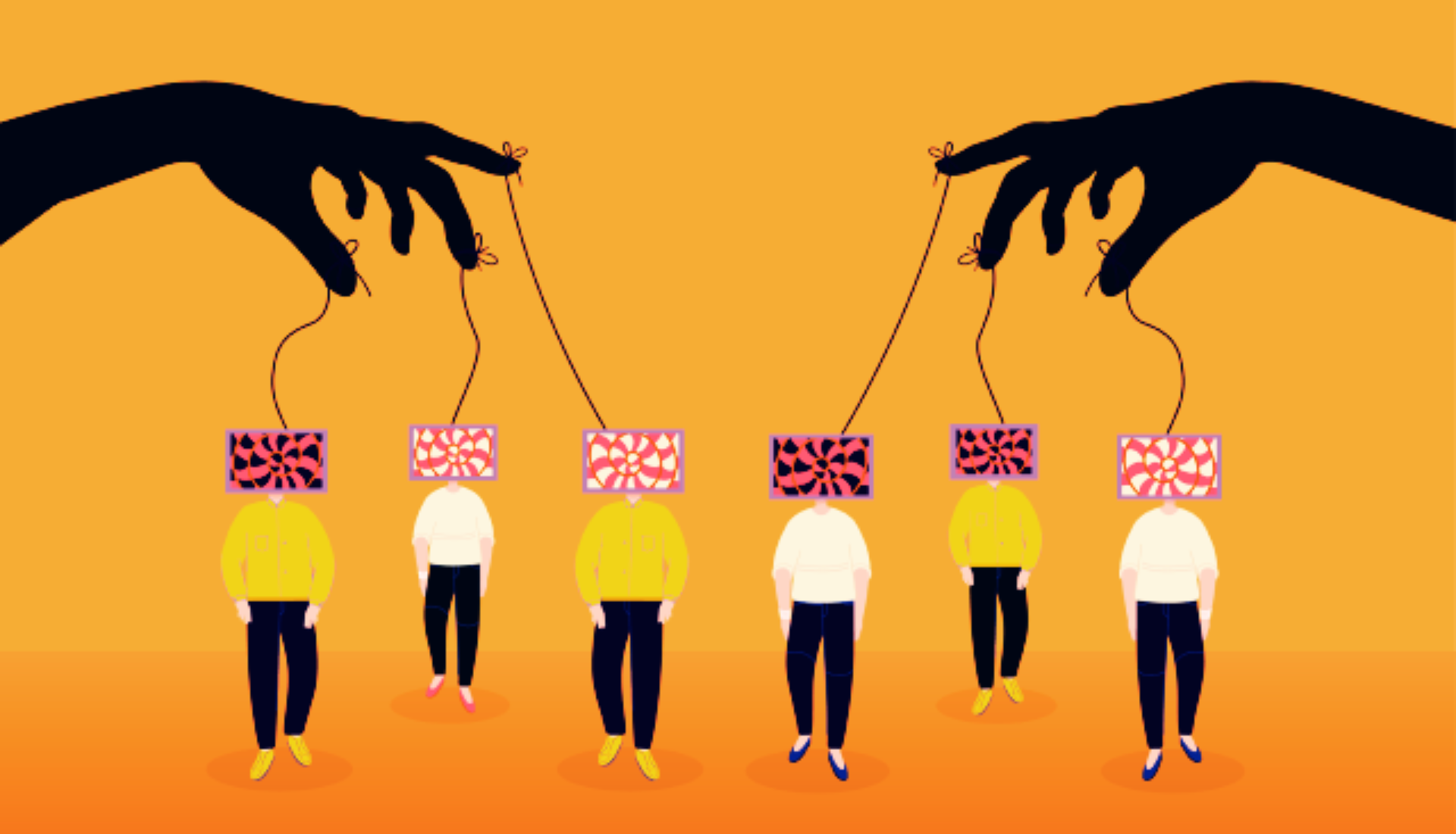
The Illusion of Control in the Age of Disinformation
Censoring information creates the illusion of control, but transparency, access, and critical thinking are key to combating disinformation.


Censoring information creates the illusion of control, but transparency, access, and critical thinking are key to combating disinformation.
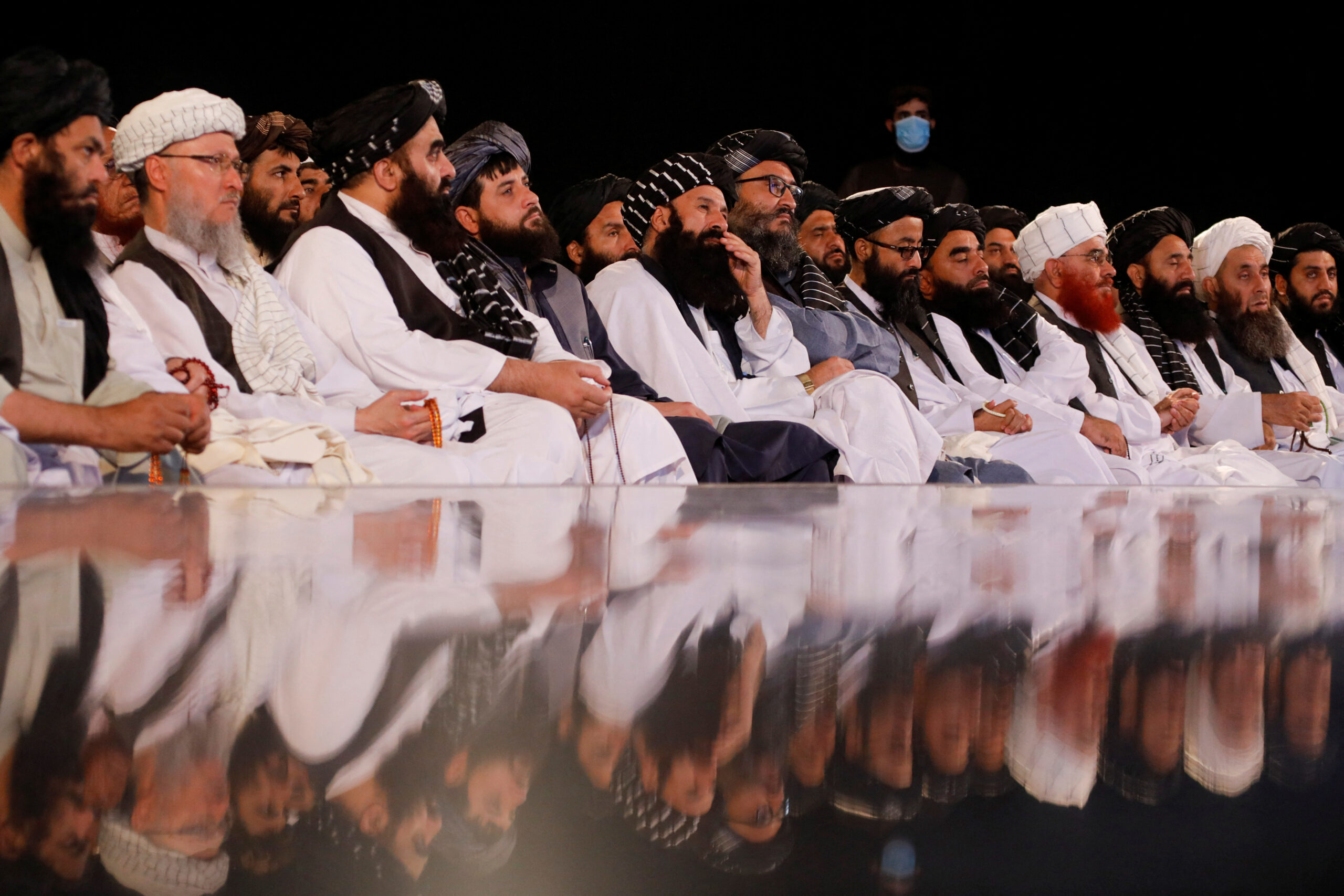
The Taliban govern through a stark duality: rigid Sharia enforcement at home paired with flexible, interest-driven diplomacy abroad. Domestically, religion is used to silence women, suppress dissent, and mask governance failures. Yet the same regime that polices Afghan society with severity adopts a pragmatic tone toward India, Russia, and the TTP. This selective morality reflects political survival rather than theology, with lasting implications for Afghanistan and the wider region.
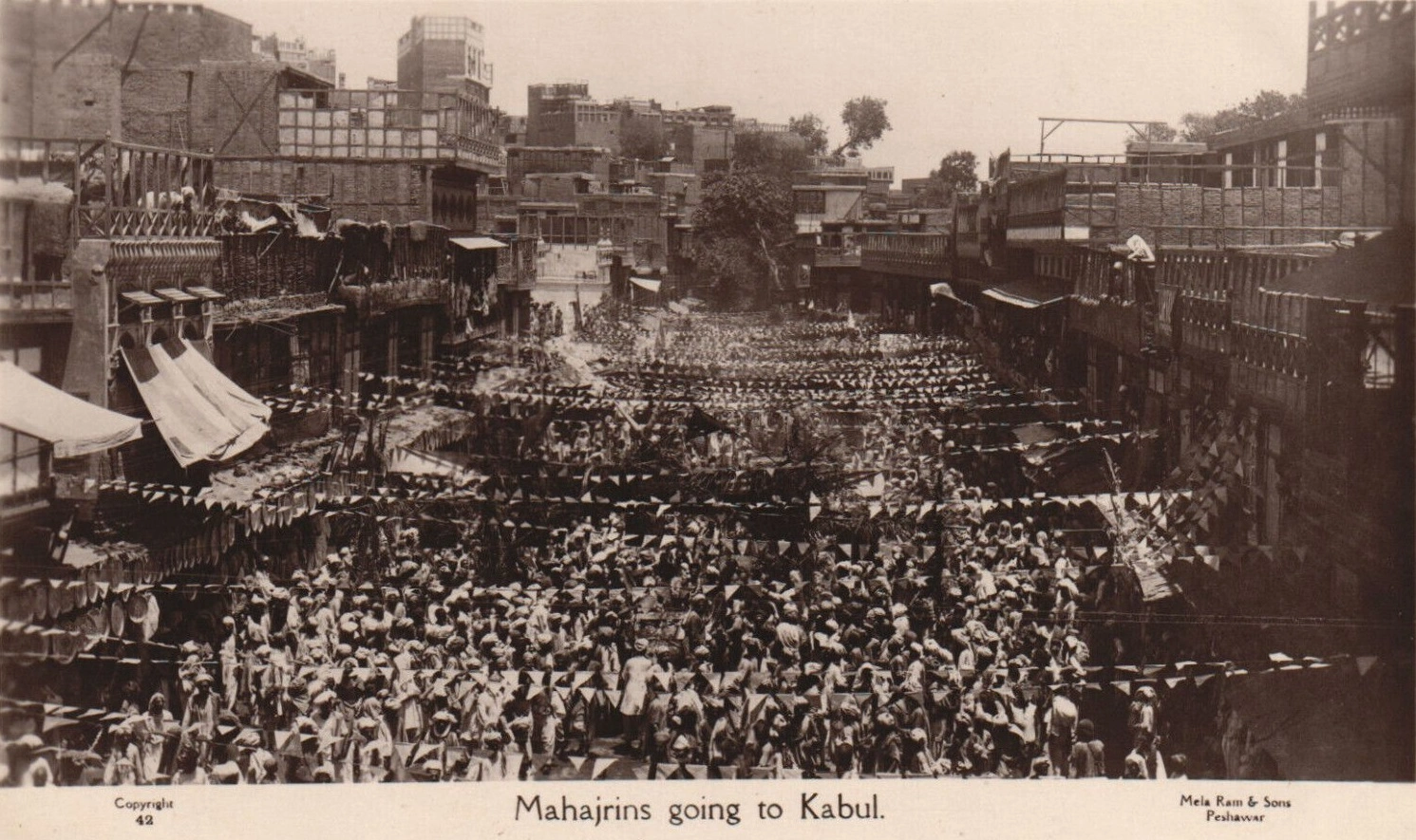
The Tehreek-e-Hijrat of 1920 saw thousands of Indian Muslims migrate to Afghanistan, only to be turned away when Kabul could no longer cope. A century later, Afghan officials criticise Pakistan’s refugee policies while ignoring their own historical refusal to host Muslim migrants. The parallel reveals not just irony, but the enduring challenge of compassion, capacity, and collective responsibility.