This article was originally published at Express Tribune
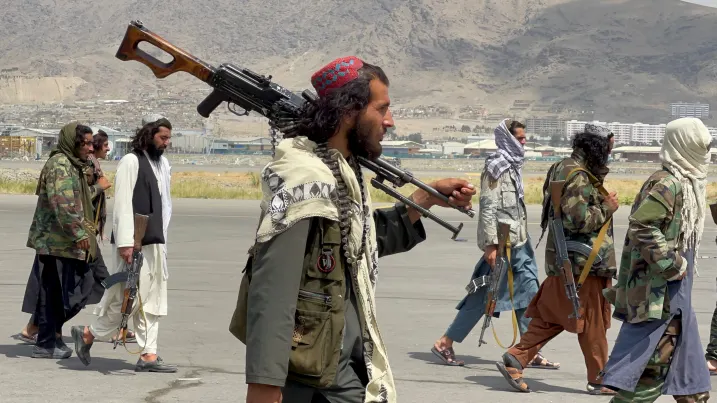
Recently, Taliban regime’s acting Foreign Minister Amir Khan Muttaqi asked a question that reveals profound ignorance and calculated denial: “If Afghanistan is really a centre of terrorism, why don’t Iran, Uzbekistan, Turkmenistan, Tajikistan and China complain? Why only Pakistan?” The answer is painfully simple: the world does complain. Pakistan as well as the international community are watching and speaking regarding resurgence of terrorism in Afghanistan since the Taliban takeover in 2021.
The Taliban regime remains unrecognised in every part of the world and among 193 United Nations member states. Many countries that restored diplomatic and economic engagements with Afghanistan, such as Russia, removed it from their terrorist list; China extended Belt and Road Initiative; Iran which shares faith and Pakistan which hosted five million of Afghan refugees for almost forty years do not recognise the Taliban regime. None of Saudi Arabia, Turkey, the UAE, Egypt and Indonesia have recognised the Taliban government as they see Afghanistan for what it is: a terrorist harbouring state where Tehrik-e-Taliban Pakistan (TTP) is nurtured to kill hundreds of children.
The Taliban hold a certain reputation within the global community where perception regarding Afghanistan is deteriorating every day. The world sees 1.5 million Afghan girls banned from secondary school and women erased from universities, hospitals and courtrooms, as public spaces for women reduce. The inhumane policies of the Taliban regime whereby Afghan women are forbidden from acquiring medical education and medical treatment have left female Afghan population in a dire state. The mothers are dying in childbirth because no female doctors remain and men are forbidden to treat them. These policies are not limited to the current population, but extends to thousands of years old human heritage, as the 1,700 years’ old Bamiyan Buddha statues were destroyed with explosives. It goes without saying that these statutes portrayed a rich historical heritage of Afghanistan. The genocidal ideology continued across the border in Army Public School Peshawar in 2014, when the Afghan-supported TTP killed 132 schoolchildren. The world sees a regime that claims to uphold Islam while violating every principle of mercy, justice and knowledge that faith commands.
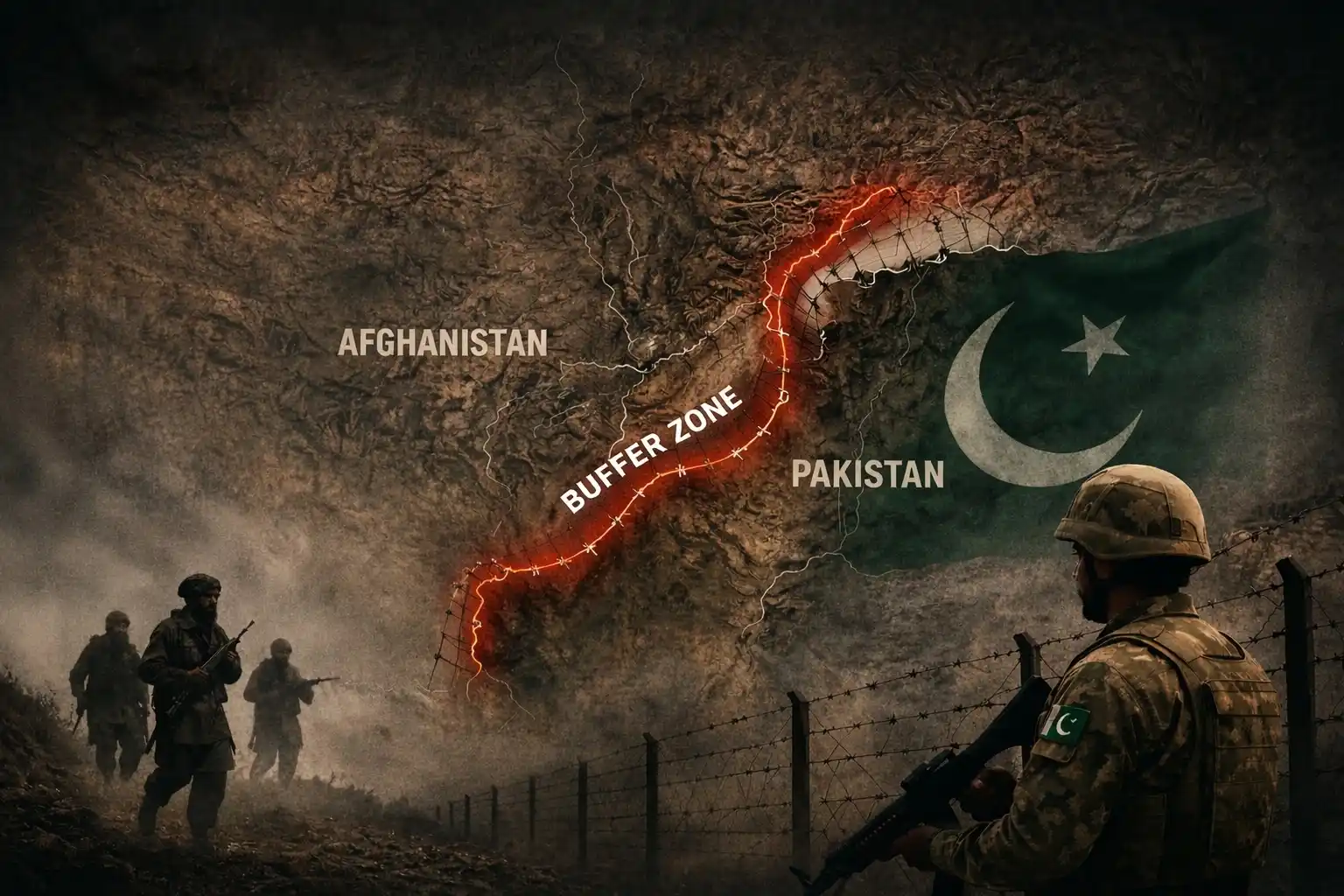
Amir Muttaqi’s question as to why Pakistan complains or why Pakistan’s voice is the loudest is because Pakistan suffers the most. Geography and history have made Pakistan’s pain unique. Pakistan shares the longest border with Afghanistan spanning 2,670 kilometers compared to 921 km with Iran, 1373 km with Tajikistan, 804 km with Turkmenistan, 144 km with Uzbekistan and 76 km with China. Through Khyber Pass and tribal lands, militants cross freely, exploiting bonds of kinship that no other neighbour shares. Iran, China and Tajikistan are shielded by deserts, mountains and high-altitude corridors, while Pakistan stands at the crossroads of chaos. The human cost is staggering as almost 90,000 Pakistanis have been killed since 2001. Besides, the cost of economic losses runs past $150 billion, as millions of Afghan refugees were also sheltered for decades. The Taliban invoke Pashtunwali and Islamic law which are violated on a daily basis. Afghanistan’s denial of border between Pakistan and Afghanistan depicts the latter’s ignorance of historic agreements of 1893, 1919 and 1921.
Afghanistan was once a land of poets and mystics, of Rumi, of pluralism, of promise where women flourished as doctors, teachers and parliamentarians; it has now turned into a sealed fort of terrorism and tyranny. Afghanistan is not destroyed by foreign armies or geopolitics, but by the choices of the Taliban regime, leaving it alone while the world moves forward.