Afghanistan’s descent into chaos is no longer a localized problem, it has transformed into a dynamic global crisis, driven by the unholy trinity of terrorism, narcotics, and immense human suffering. For decades, the country has endured instability, but since the Taliban’s return to power, the situation has sharply deteriorated. Afghanistan has once again become a dangerous incubator of extremist groups, offering sanctuary, resources, and networks that export violence far beyond its borders. This resurgence of terror has destabilizing consequences, particularly for regional states like Pakistan, Iran, and Central Asia, while also posing a broader threat to international security.
Parallel to this, Afghanistan has re-emerged as the world’s leading producer of narcotics, fueling a global drug trade that finances criminal syndicates and terrorist operations. The intertwining of narcotics with extremist networks creates a self-sustaining cycle that strengthens these groups while devastating societies worldwide through addiction, crime, and corruption.
The Terror Haven
Following the withdrawal of international forces, the promised stability has not materialized. Instead, the void has been filled by a resurgence of extremist ideologies, turning Afghanistan into a staging ground for groups that pose a direct threat far beyond its borders. According to a 2023 report by the UN Security Council’s Analytical Support and Sanctions Monitoring Team, a high concentration of terrorist groups now operates within the country, undermining security in the region and beyond. Among the most prominent are the Islamic State-Khorasan Province (ISKP), Tehreek-i-Taliban Pakistan (TTP), and the East Turkestan Islamic Movement (ETIM).
The Taliban’s relationship with these groups is complex. While they claim to combat ISKP, their actions against the TTP are often ambiguous. For instance, VOA News reported in July 2024 that a UN report found the TTP, with an estimated strength of 6,000-6,500 fighters, has intensified its attacks into Pakistan, from 573 in 2021 to 1,203 in 2023. Another report by the Pakistan Institute of Peace Studies reported that around 850 people died in different terror attacks in Pakistan in 2024.
This significant rise in cross-border violence has created immense friction between the two nations. Similarly, China, a key strategic partner for the Taliban, has repeatedly pressed the Taliban regime to take stronger measures against the ETIM, which Beijing views as a threat to its domestic security and to its ambitious Belt and Road Initiative (BRI). The Taliban, for their part, have provided reassurances but have yet to take decisive action against the group. This creates a permissive environment where terror networks can rebuild and plot attacks with relative impunity, threatening not only neighboring states but also Western interests abroad. The United States Institute of Peace has warned that the post-US withdrawal environment is highly favorable for terrorist groups, providing them with new opportunities for collaboration and recruitment.
The Global Narcotics Pipeline
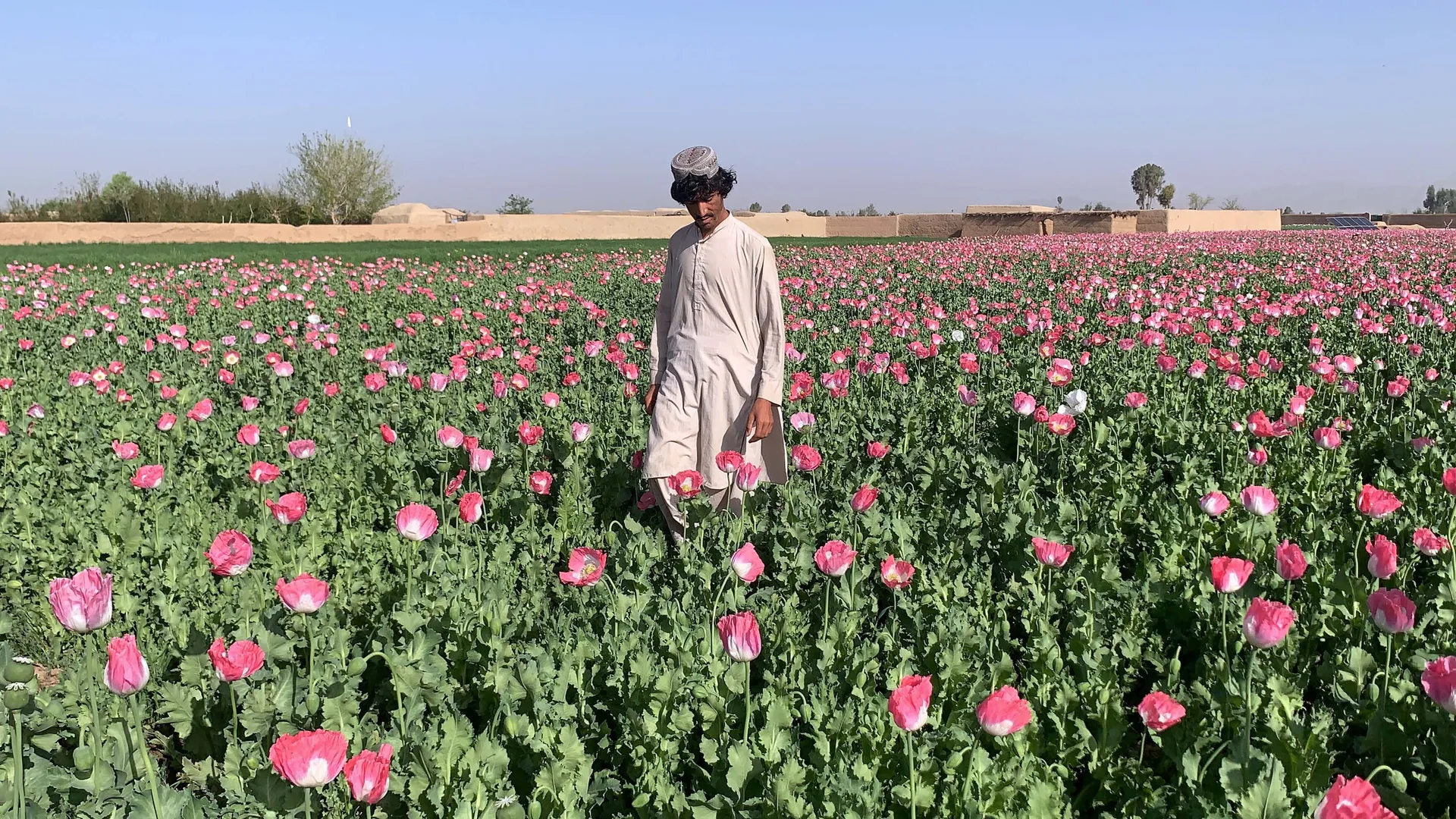
The second distinct threat is the explosion of illicit drug production and trafficking. The UN Office on Drugs and Crime (UNODC) has consistently warned that Afghanistan, traditionally a major opiate producer, is now also the world’s fastest-growing manufacturer of methamphetamine. According to a UNODC report from September 2023, methamphetamine seizures in and around the country saw a staggering 12-fold increase in just five years, from 2.5 tons in 2017 to 29.7 tons in 2021. Many in Pakistan are already talking about the dramatic rise of the use of methamphetamine, commonly called ice, among youth in Pakistan.
This shift is particularly concerning because methamphetamine is cheaper and easier to produce than opiates, requiring readily available chemical precursors rather than extensive land for cultivation. The drug trade is a critical source of funding for militant groups, creating a dangerous feedback loop where illicit commerce directly bankrolls global terrorism. The 2024 UNODC World Drug Report highlights that organized criminal groups are exploiting geopolitical instability to expand their drug trafficking operations. Globally, the consequences are stark. Drug usage has surged by 23% over the past decade, with 296 million users in 2021. Furthermore, the number of people suffering from drug use disorders jumped to 39.5 million, a 45% increase in the same period. These aren’t just abstract numbers; they represent a global health and security challenge that Afghanistan is now at the center of.
The Symbiosis
The rise of terror groups and the explosion of the illicit drug trade are not separate problems; they are two sides of the same coin, creating a vicious cycle of instability. Terror groups rely on drug trafficking for critical funding, a lifeline that allows them to sustain their operations, purchase weapons, and recruit fighters. While poor farmers may turn to poppy or ephedra cultivation due to a lack of viable economic alternatives, this reason is rooted in the presence of armed terror groups. Such groups are not conducive to economic activities or foreign investment. This creates a vicious cycle where the presence of terror groups limits economic opportunities, forcing many to grow poppy, which is then used by terror groups to increase their power. This, in turn, makes the environment more hostile for normal business activities.
The World Bank has pointed out that while the illicit drug economy provides a temporary coping mechanism for some, it is the most significant obstacle to long-term state-building and reconstruction. The cycle of conflict and poverty is therefore perpetuated, leaving Afghanistan in a state of perpetual instability.
The Global Effect
The problems in Afghanistan are deeply interconnected. The lack of governance and the economic collapse create fertile ground for the drug trade, which in turn finances the very extremist groups that destabilize the region and oppress the population. The systematic suppression of human rights, particularly against women and girls, is a fundamental component of this instability. The UN Human Rights Office has stated that Taliban policies are designed to completely erase women’s presence in public, while the UNOCHA has appealed for $2.4 billion to assist the 16.8 million Afghans in need.
The suffering of Afghanistan’s people and the external threats posed by the country’s instability are not a distant spectacle but a dangerous reality. Ignoring the situation is not a neutral act, it is a choice that allows the crisis to metastasize, demanding an urgent and coordinated global response before it fully erupts and engulfs us all.