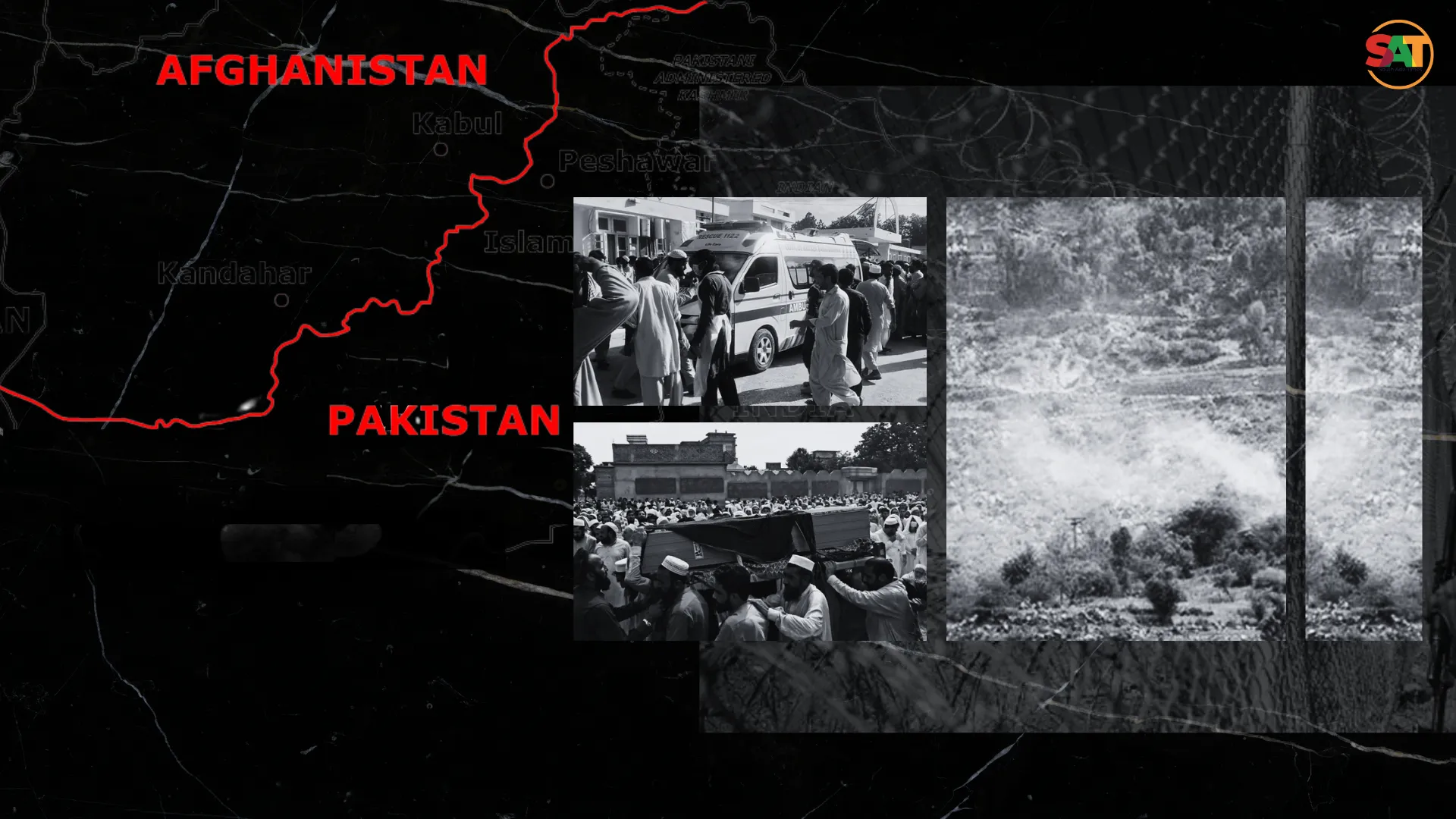
Any conflict is least desirable as the Islamic Emirate is near to completing its two years in power in Afghanistan. Meanwhile, the world also sees the rationale behind engaging with the Interim Government of Afghanistan, more clearly. The desirability to remain at peace is, however, different from the capacity to be able to execute and negotiate peace. The question arises, can the Interim Government of Afghanistan do both? The recent stability-instability spectrum with the immediate neighbor country, Pakistan, has some valuable answers to offer.
Engaging with Pakistan: Balancing Diplomacy and Counterterrorism
It would not be wrong to say that soon after the IEA came to power, Pakistan was one of the few countries in the region that did not hesitate to forge ties, but also helped the country in a near-chaos situation.
This spirit of engagement, however, eroded when Pakistan came on the receiving end of terrorist attacks one after the other. When the banned militant group, Tehrik e Taliban Pakistan (TTP), started claiming attacks, Pakistan had to diplomatically press the IEA to act, because the latter hosts the commanders’ cadre of TTP inside Afghanistan. The air gradually turned tense until the tipping point; the Bajaur attack claimed 55 lives in KP Province of Pakistan, on the last day of July 2023.
Islamic Emirate: Diplomacy and Terrorism
Claimed by Islamic State Khorasan (ISK), this attack on a political rally of a major religiopolitical party of the country, Jamiat Ulema Islam (JUI-F), received condemnation from the IEA as well. But a history of cordial relations between this party and the Taliban, that now form Afghanistan’s Interim Government, demanded more than just condemnation. For IEA, this was the moment to act responsibly and reaffirm their commitment to not harming any country by letting any terrorist faction flourish inside Afghanistan.
Before the unfortunate Bajaur tragedy, Pakistan’s Special Representative on Afghanistan, Asif Durrani, traveled to Kabul and had detailed talks with the officials in Afghanistan. The issue of TTP remained a focal point of the talks. However, no announcement of any decisive outcome regarding TTP was made public. Still, the visit was significant because it indicated an open channel of diplomacy and dialogue between the two countries; an open channel many feared would close after Kabul-mediated peace talks between Pakistan and TTP ended without bearing any remarkable success, in the second half of 2022.
A Push for Counterterrorism: Balancing Priorities
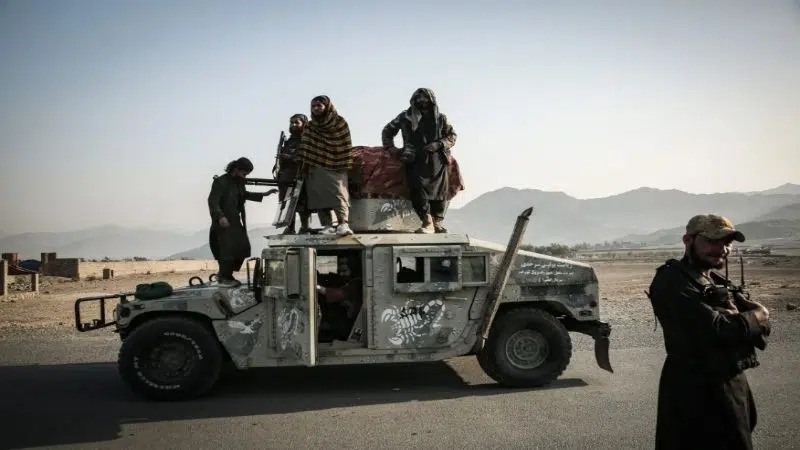
Act against TTP has dominated Pakistan’s Afghan policy for some time now. The push came even stronger when, following the Bajaur misfortune, JUI-F made a public statement pressing Afghanistan for effective action against terrorists. TTP certainly did not like this and condemned the statement in one of their press releases. But a tone was already set, and so Acting Defense Minister of Afghanistan, Mullah Yaqoob, addressing commanders of the Eastern zone, conveyed Amir’s message.
The message from IEA was loud and clear; fighting in other lands is not Jihad but war unless decreed by the Amir.
Apparently addressed to the Afghan forces and commanders, the message seems to be intended for a bigger audience. It highlights the very intent of the IEA to remain at peace and focus inwards. The country needs attention; any conflict would be costlier to handle. This, coupled with an official statement of Deputy Prime Minister for Foreign Affairs, Abbas Stanakzai, where he hinted at some intelligence agencies playing spoiler to disrupt IEA’s relations with its neighbors, is telling. Afghanistan wishes to ground its relations with its neighbors in firm and consistent diplomacy.
Instead of getting into chaos with Pakistan over the contested TTP issue, the IEA is, and perhaps must be more focused on preserving a space for dialogue. If the dialogue is accompanied by meaningful action, then this will certainly be a big evolution from Taliban 1.0 to Taliban 2.0. The sentiment of keeping the dialogue space alive is also shared by Pakistan, as in a recent statement, the Chief of Armed Forces, Asim Munir, reassured that Pakistan will talk and engage with the IEA only; and not any terrorist organization. Just as much as it is a message to the TTP, it is equally a gesture at peace with neighboring Afghanistan and its Interim Government.

Your go-to editorial hub for policy perspectives and informed analysis on pressing regional and global issues.