While India’s trade with Pakistan sees a decline, trade with its other neighbors reaches new heights.
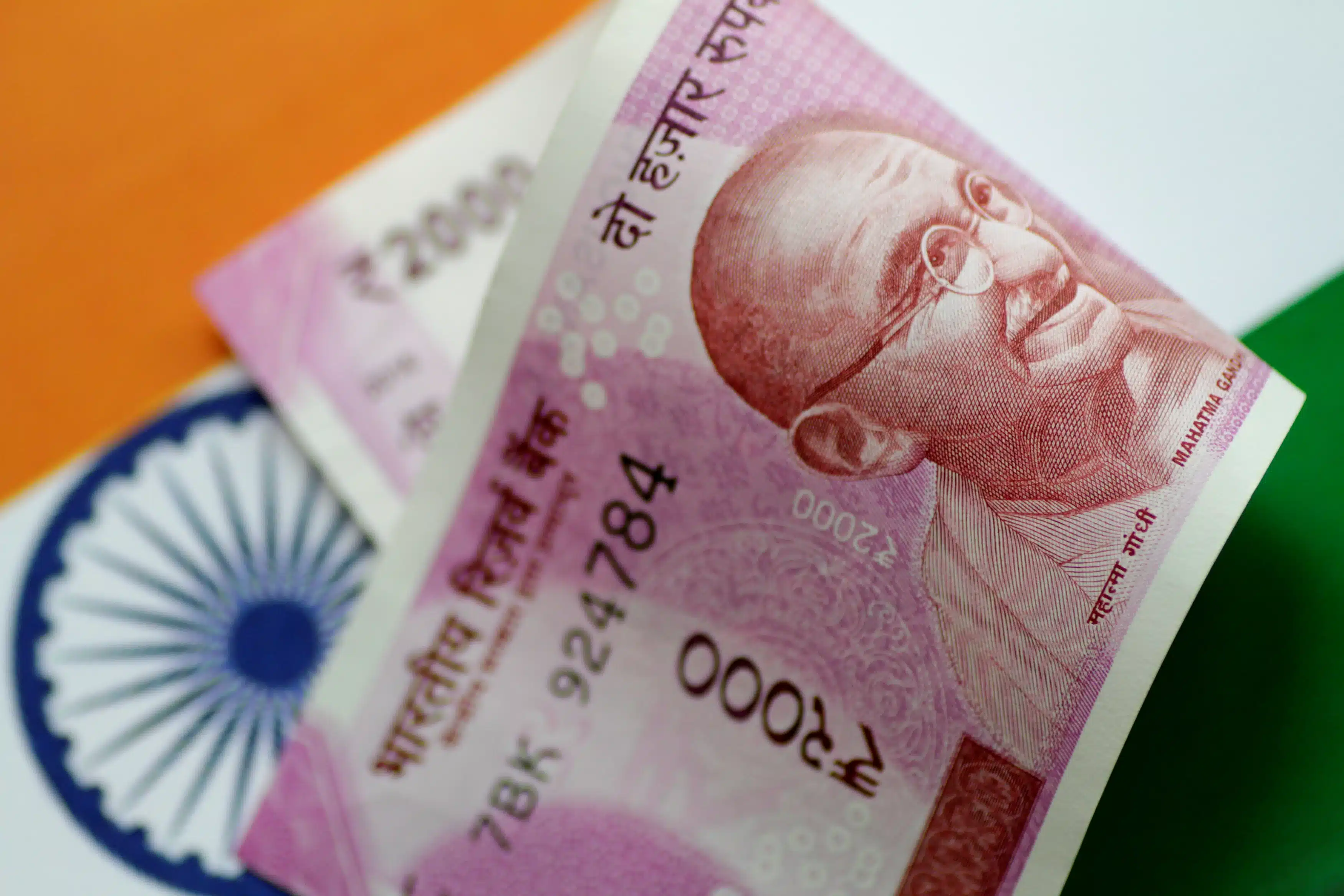
India’s trade with neighbors soars, reaching an all-time high in some cases, while the trade with Pakistan has seen a significant dip, the government data showed.
Rajkumar Ranjan Singh told Parliament that India’s bilateral trade increased from $27.9 billion in 2017-18 to $41.6 billion in 2021-22.
However, the trade with Pakistan reduced from $2.41 billion in 2017-18 to $0.52 billion in 2021-22, a government statement showed.
“India’s Neighborhood First policy guides its relations with Afghanistan, Bangladesh, Bhutan, Maldives, Myanmar, Nepal, Pakistan, and Sri Lanka.” The government noted this as India’s trade with neighbors soars.
Bilateral trade with Bangladesh grew from $9.3 billion in 2017-18 to $18.13 billion in 2021-22, and with Nepal from $7.05 billion to $11.02 billion.
For Pakistan, the bilateral trade fell from $2.41 billion in 2017-18 to 0.52 in 2021-22 and for Afghanistan, it fell from $1.14 billion in 2017-18 to 1.07 in 2021-22.
SEE ALSO: https://southasiatimes.org/cpec-expansion-projects-and-indian-influence/
India Desires Normal Relations With Pakistan
India, via the Ministry of External Affairs, stated its desire for normal neighborly relations with Pakistan and emphasized resolving issues bilaterally.
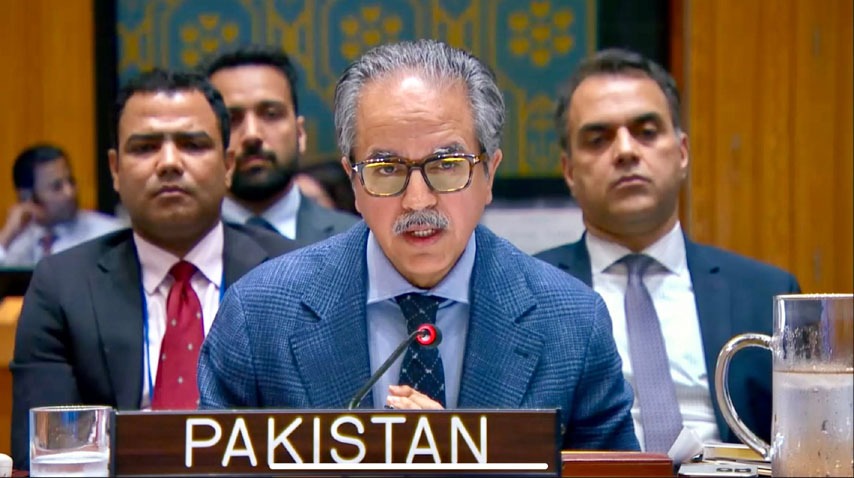
V. Murleedharan stated in Lok Sabha that Pakistan has not shown any sign of rapprochement with India.
“India desires normal neighborly relations with Pakistan,” Murleedharan said. “Issues between India and Pakistan should be resolved bilaterally and peacefully.”
Original Source: News 18

Your trusted source for insightful journalism. Stay informed with our compelling coverage of global affairs, business, technology, and more.