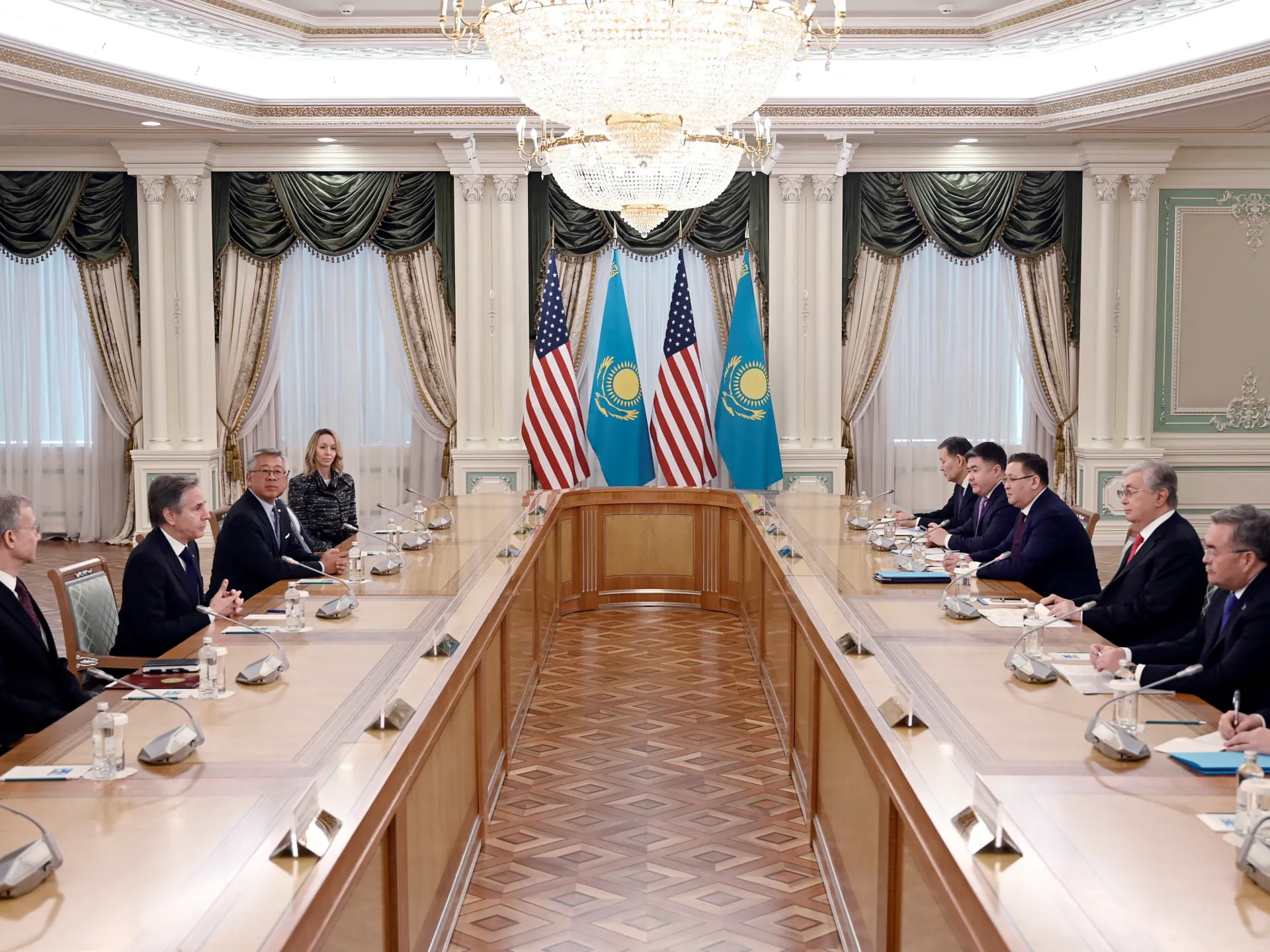
Blinken reinforces US engagement in Central Asia amidst fallout from the Ukraine war.
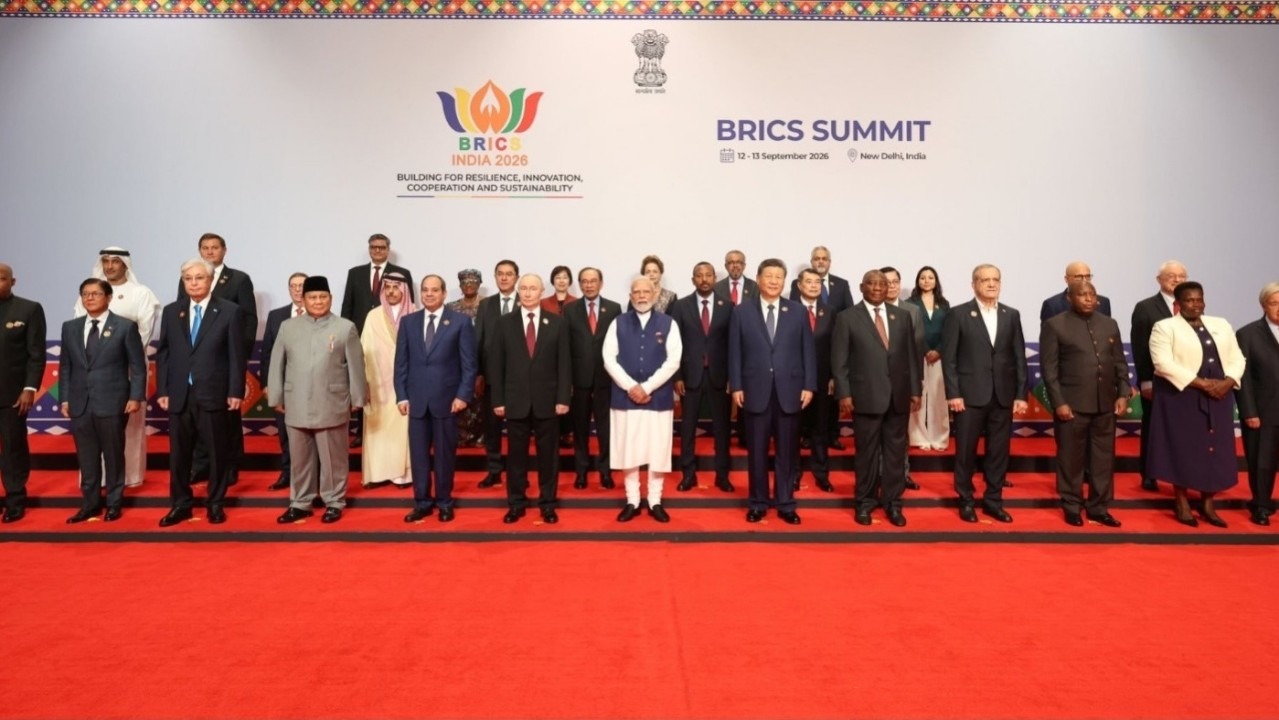
ASTANA, Feb 28 (Reuters) – U.S. Secretary of State Antony Blinken meets Central Asian leaders on Tuesday as Washington pursued deeper engagement with the region’s former Soviet republics in the wake of Russia’s invasion of Ukraine a year ago.
Blinken’s visit to the capitals of Kazakhstan and Uzbekistan was his first to the region as the Biden administration’s top diplomat.
It came just days after the Feb. 24 first anniversary of Russia’s invasion, which has tested Moscow’s influence in a region that also includes Kyrgyzstan, Tajikistan and Turkmenistan, as Blinken meets Central Asian leaders.
Leaders in the region have been emboldened to stand up to Russia but have also been buffeted by the fallout from the war, including rising food and fuel prices, and come under suspicion as potential routes for sanctioned goods reaching Russia.
“We are watching compliance with sanctions very closely and we’re having an ongoing discussion with number of countries, including our C5 partners, on the economic spillover effects,” Blinken said at a news conference after a meeting with officials of the five Central Asian states in the Kazakh capital Astana
Washington is issuing licenses to give companies time to wind down relationships with Russian firms that have been sanctioned in a Western effort to pressure Moscow to end the war, Blinken said.
He announced $25 million of new funding to support economic growth, including with new trade routes, and helping business find new export markets, on top of $25 million the Biden administration has already committed to the region.
U.S. officials say President Joe Biden’s administration has increased its stake in the region in an effort to demonstrate the benefits of U.S. cooperation to countries facing an economic hit from the Ukraine conflagration.
Also See: US warns China on arming Russia for Ukraine War
‘TERRITORIAL INTEGRITY’
In Astana on Tuesday, Blinken met Kazakh President Kassym-Jomart Tokayev, who was re-elected in a landslide in November and has pushed back publicly against territorial claims made by Russian President Vladimir Putin in Ukraine.
“We have built very good and reliable long-term partnerships in so many strategically important areas like security, energy, trade and investments,” Tokayev told Blinken as they met at the imposing presidential palace.
Blinken earlier told Foreign Minister Mukhtar Tileuberdi that Washington supports the sovereignty, independence and territorial integrity of Kazakhstan, which won independence from Moscow when the Soviet Union broke up in 1991.
“Sometimes we just say those words, but they actually have real meaning and of course we know in this particular time they have even more resonance than usual,” Blinken said in reference to Russia’s invasion of Ukraine, also an ex-Soviet republic.
Russia and Kazakhstan share the world’s longest continuous land border, prompting concern among some Kazakhs about the security of a country with the second-biggest ethnic Russian population among former Soviet republics after Ukraine.
Tileuberdi said at the news conference that Kazakhstan retained a “multi-vector” foreign policy that balances its ties to Russia with other nations. “We do not see or feel any risks or threats from the Russian Federation at the moment,” he said.
Source: Reuters

Your trusted source for insightful journalism. Stay informed with our compelling coverage of global affairs, business, technology, and more.