On August 01, 2022, President Biden of the United States announced the killing of Al-Qaeda’s leader Ayman Al-Zawahiri in a drone strike. POTUS went further remarking, “Now justice has been delivered, and this terrorist leader is no more.” We are witnessing quite an uproar in the media about the drone strike and its fruitful results. However, the fact that we should realize is that this event might end Al-Qaeda, but not terrorism.
Post-Zawahiri: Will Terrorism End?
This strike is a major setback for Al-Qaeda, which has devoted the last year to rebuild its operations in Afghanistan following the chaotic US pullout. The killing of Zawahiri has certainly created a leadership gap in Al-Qaeda, and this gap might annihilate the terror group into multiple factions. It is for sure that Zawahiri hasn’t been as enchanting as Osama bin Laden or Abu Bakr al-Baghdadi of the Islamic State of Iraq and Syria (ISIS).
Zawahiri’s death is a cause for celebration, but it also raises key concerns regarding the future of counterterrorism.
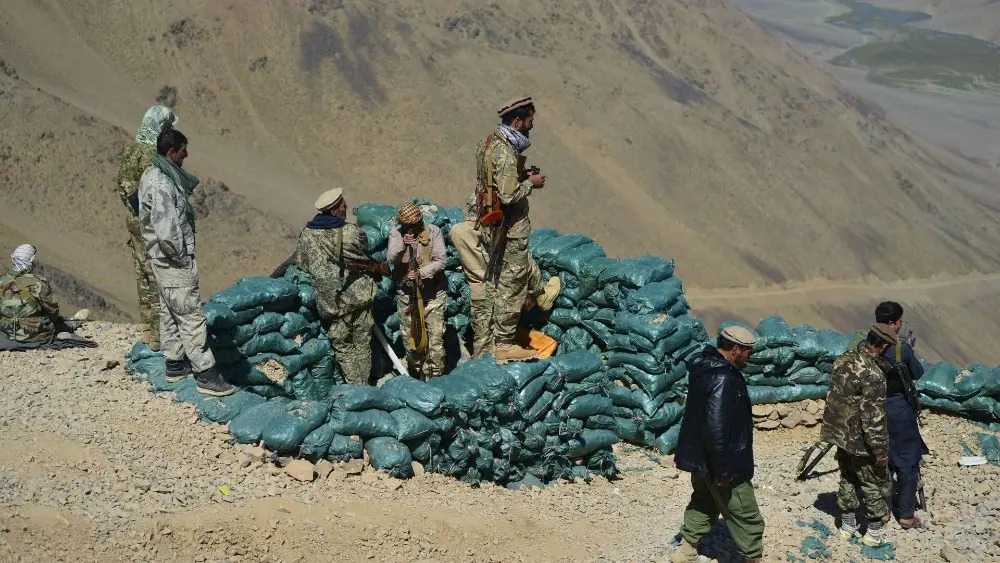
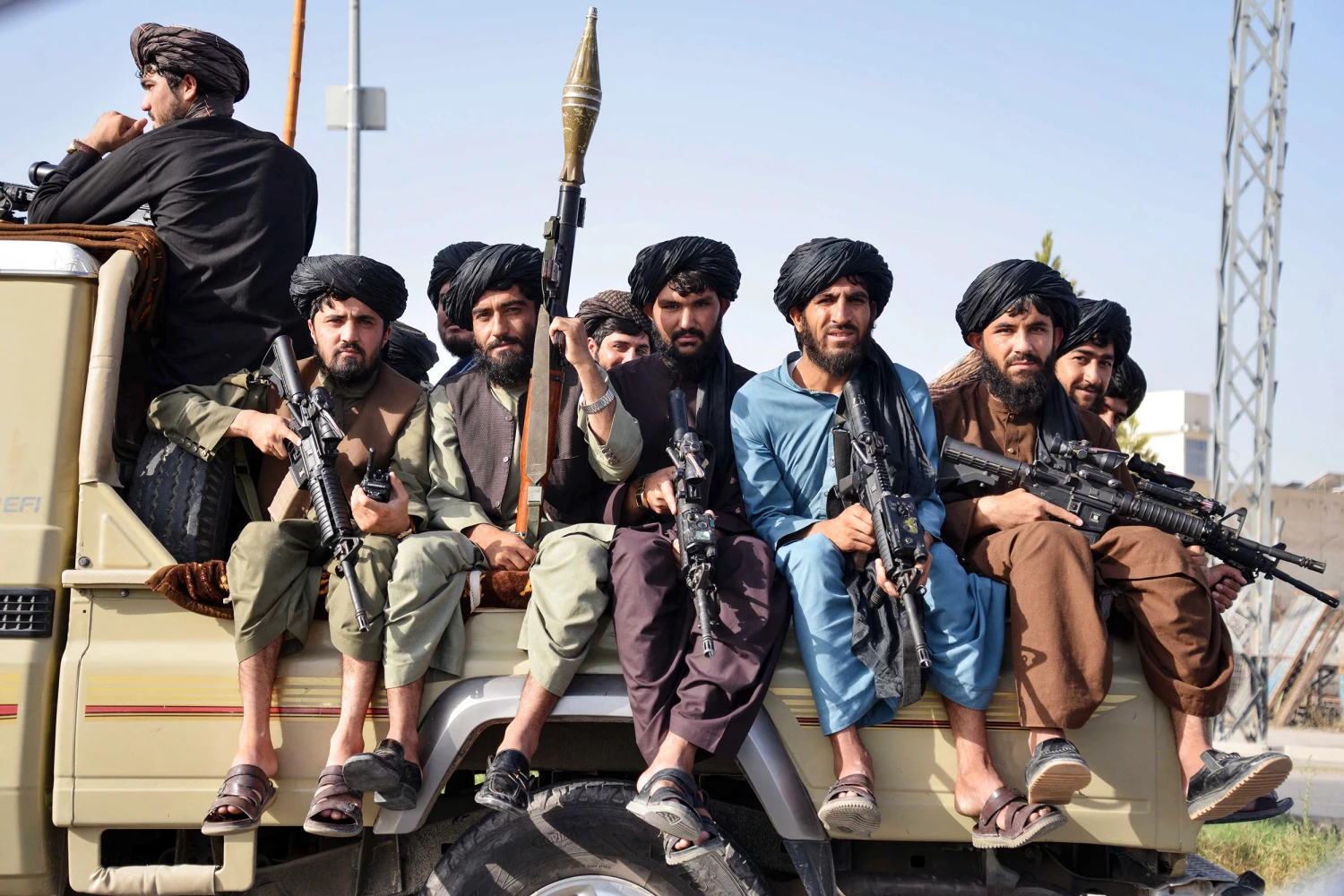
To begin with, the presence of Zawahiri in Afghanistan after the withdrawal of US troops indicates that the Taliban are once again providing a safe haven to the leaders of Al-Qaeda— an organization with which it has never broken. As long as the Taliban permits, Zawahiri can only live in such a safe house in Kabul\’s central business district.
If Sunday’s accomplishment can be emulated against other terrorist targets, we do not yet know how effective it will be elsewhere. Almost one year had passed since the last US drone strike in Afghanistan. It remains to be seen if President Biden’s administration is capable or willing to dismantle terror groups in Afghanistan systematically. We should resist the temptation to view the strike as a justification of “beyond the horizon” counterterrorism until the facts unfold themselves.
Saif al-Adel: Al-Qaeda’s Iran Factor
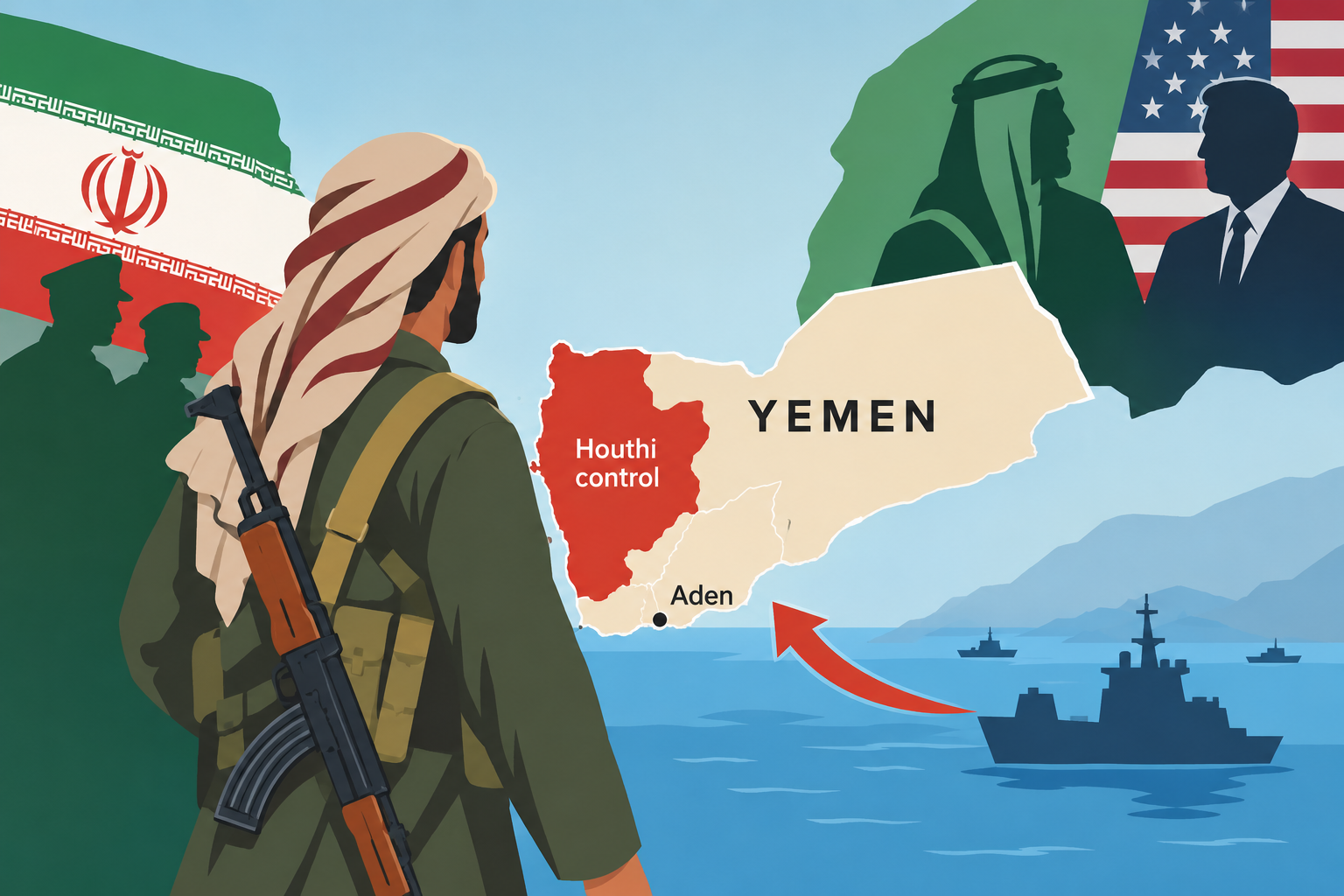
Saif al-Adel, Al-Qaeda’s second in command, followed by Zawahiri in rank, has long been an Iranian regime guest. Since then, the Islamic Republic of Iran and Al-Qaeda have joined forces to combat common foes. If Saif does indeed rise to the top of Al-Qaeda, the US will need to pay particular attention to how their relationship develops.
Al-Qaeda After Zawahiri
Besides the above three reasons, some other facts and dynamics may sound harsh but are true.
First of all, in recent years, Al-Qaeda has receded its operational capabilities. It has now become more of an ideological group mentoring numerous terror outfits across the sub-continent (AQIS), Africa (Al-Shabaab and AQIM), and the Middle Eastern peninsula (Al-Nusra Front and AQAP). These groups have metastasized the terror threats and operational capabilities, finding their ideological roots connected with Al-Qaeda.
Even though Al-Qaeda has been displaced as the leading global jihadist group owing to the rise of the Islamic State, there are still five groups operating in various parts of the world, including Yemen, Africa, and South Asia that identify themselves as franchisees of Al-Qaeda and are capable of carrying out attacks against US or Western interests in their respective regions.
Zawahiri’s death is likely to mark the beginning of a new and potentially final chapter in al-Qaeda’s history, which began in Afghanistan in the late 1980s. However, his death does not lessen the broader threat posed by Al-Qaeda-affiliated groups operating outside of the United States.
Secondly, the killing of Zawahiri in Kabul should worry us about the safe havens provided by the Taliban regime to Al-Qaeda and other terrorist groups. Take the example of Tehrik-i-Taliban Pakistan (TTP). Pakistan is highly critical of TTP’s sanctuaries across Eastern Afghanistan and has been negotiating simultaneously with the Afghan Taliban as well as TTP to draw a peace deal. Furthermore, the State Department has already issued a statement condemning the Taliban’s ‘gross’ violation of the Doha Agreement.
Thirdly, Islamic State’s affiliate ISKP/ISIS-K is continuously expanding across Central Asia and South Asia. This may lead to the confrontation of jihadist groups clinging to contending Islamic ideologies, which might result in a widespread spillover of terrorism, anarchy, and civil unrest, hence, worsening global security.
It would be premature to make any judgment yet about the outcomes of the strike, the Taliban’s perfidy, and the future of Al-Qaeda. We should not believe that Zawahiri’s death will halt terrorism. The safeguards should not be relaxed, otherwise, this bittersweet victory will turn completely bitter. It would not be inappropriate to quote Sun Tzu, as follow: “The wheels of justice grind slow, but grind fine.”
The article is originally published by GVS. The views expressed in this article are the author’s own and do not necessarily reflect the editorial policy of the South Asia Times.

Muhammad Saad is an ardent reader, writer, and researcher, keen to explore international relations, political science, and regional affairs.