Thes the 1st May deadline for foreign troop withdrawal is getting closer. Subsequently, the situation of peace in Afghanistan is becoming volatile. The deadline is part of a February 2020 agreement the United States signed with the Taliban. The deal signalled an end to the longest war in U.S. history.
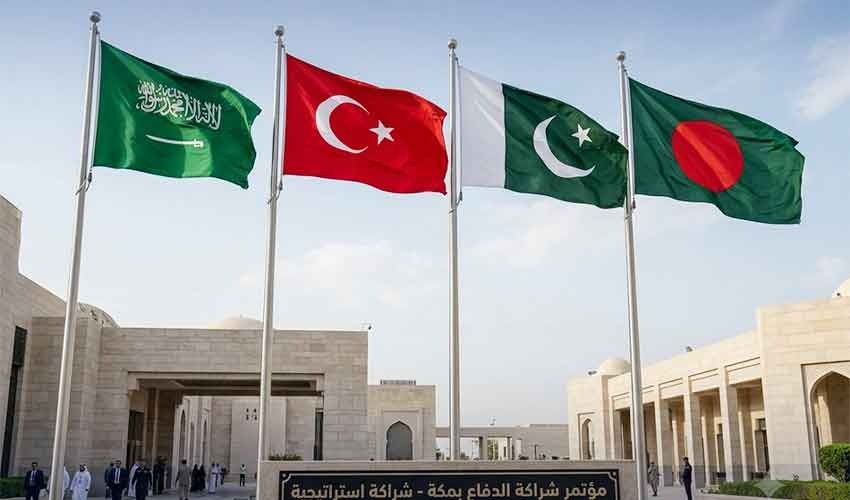
The upcoming peace talks in Turkey, which would have commenced from the 16th of April are surrounded by confusion. The 10-day talks are expected to be a watershed moment for perpetual Afghan peace.
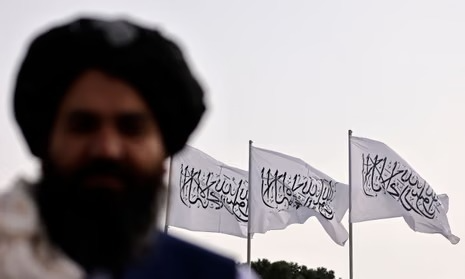
However, Afghan forces and Taliban have engaged in rising hostilities before the peace conference. The respective parties have claimed to inflict serious damages.
100 insurgent fighters killed, claims Afghan Defense Ministry
The Afghan ministry of defence stated that the Afghan army commanders have also evicted the Taliban from the Arghandab district. The district in southern Kandahar province had been occupied by the insurgents for months.
45 Killed of Afghan forces, claims Taliban spokesman
According to Taliban spokesman Zabihullah Mujahid, a group of insurgents staged \”tactical attacks on the convoy following the car bombing\”. He also claimed that the Taliban have \”killed/wounded up to 45 Afghan troops\”.
The Taliban have also escalated their attacks against security forces in districts such as Herat, Ghor, Ghazni, Helmand, and Kabul.
Intended skirmish?
Such hostilities just a few days before a seminal peace dialogue raise a lot of questions. Some analysts claim it to be a pressure tact by militant groups to achieve more leverage in peace talks. The two-decade war has devastated the economic potential of Afghanistan. This results in a void for militant groups that further damage any initiative for peace.