Harmony between ideals and interests is not unusual in foreign policy. States express power in multiple ways—through military strength, diplomatic persuasion, economic influence, and even the subtler tools of culture and narrative. In recent years, soft power has become increasingly prominent in global politics. Yet, in 2025, India appears to be moving in the opposite direction: toward coercion and interference.
Once seen as a secular nation, India in recent years has adopted a more interventionist posture. Its external engagement has shifted from perception management to explicit projection and the use of hard power, as its global ambitions have expanded. Scholars describe this evolution as the emergence of a “global bully,” characterized by transnational repression, covert influence operations, and coercive behavior.
This article argues that Indian foreign policy in 2025 reflects this transition. It analyzes four key case studies, Canada, Pakistan, Bangladesh, and Türkiye, to trace the trajectory of India’s new approach.
Canada: Transnational Repression and Diplomatic Strains
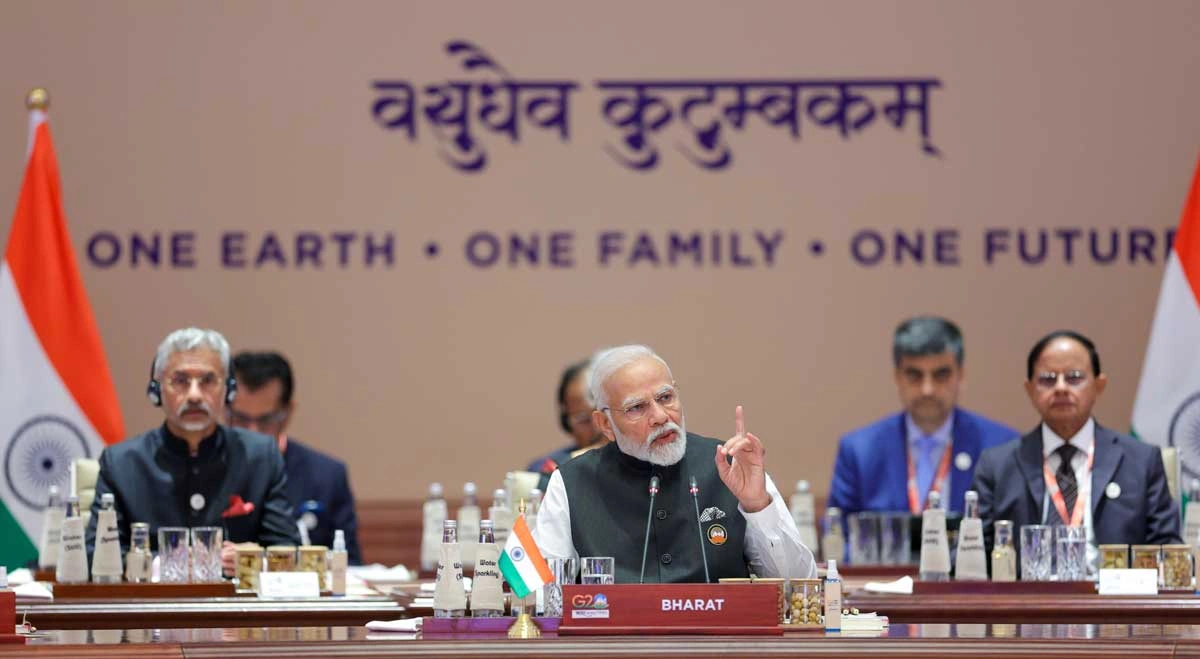
In an overture signaling a shift in direction in 2025, after bilateral relations were severely damaged in 2023 following the murder of Sikh activist Hardeep Singh Nijjar, Canada and India sought to “reset” their ties. The effort began with Indian Prime Minister Narendra Modi being invited by Canadian Prime Minister Mark Carney to attend as a guest at the June 2025 G7 Summit in Alberta.
Nonetheless, the tension did not subside, with Canada still expressing serious concerns about India. Canadian intelligence publicly indicated India was performing numerous acts of foreign interference and transnational repression in Canada. In 2025, the CSIS published an intelligence report that was leaked, alleging that India and its key agents had been actively targeting communities and politicians in Canada to suppress Sikh diaspora activists. Following the conflict, high commissioners were recalled and only reinstated in mid-2025. All this has impacted trade and relationships between people, particularly in the education and technology sectors. The Sikh diaspora has been severely affected by the tensions. The conflict is a clear example of transnational repression, where a state uses its coercive power beyond its borders to enforce its foreign policy.
Pakistan: Cross-Border Conflict and Proxy Warfare
Post May 2025, India instilled trade sanctions, suspended delivery of the postal service and parcels, and canceled visas of Pakistani nationals, effectively halting the movement of goods and people between the two countries. It also threatened to cancel the Indus Waters Treaty, which would pose a serious threat to Pakistan’s water security. The military was also involved as India launched Operation Sindoor, with the stated goal of destroying “so-called” terror infrastructure in Pakistan, though reports indicate only civilians were killed in the attacks. These actions by India indicate a strategic pattern of using water resources, diplomatic isolation, and unauthorized military force for regional disruption against Pakistan.
Furthermore, intelligence indicated that Indian-linked elements were attempting to exploit Afghanistan’s unstable security situation to conduct information operations and provide support for anti-state terrorism in Pakistan’s western sectors. These suspicions were heightened by attacks in Balochistan and Khyber Pakhtunkhwa, which Pakistani officials attributed to terrorists operating with Indian support from the Afghan side. This has led to increased mistrust, as Pakistan reasonably interprets such acts as a continuation of India’s long-standing policy to destabilize the country.
Bangladesh: Political Shift and Mutual Distrust
In 2025, India’s stance toward Bangladesh has been increasingly perceived as more coercive, driven by a confluence of political, economic, and social pressures aimed at preserving its traditional sphere of influence. The change in Dhaka’s foreign policy, following the replacement of Prime Minister Sheikh Hasina and the ascendancy of Chief Advisor Muhammad Yunus, signaled a shift toward closer ties with China and Pakistan. India nationally viewed this pivot as a threat to its established influence in Bangladesh and responded with what has been described as bullying tactics. Key measures undertaken by India include the manipulation and delayed sharing of water resources, the inappropriate postponement of a common project, and leveraging the voices of the diaspora and civil society to comment critically on domestic political changes and the rights of minorities. Collectively, these actions demonstrate a form of contemporary coercive diplomacy, utilizing economic and political pressure, water control, and civil society intervention to influence Bangladesh’s foreign and domestic policy, which has resulted in a strained and mistrustful relationship between the two nations.
Turkey: Coercion and Boycott
The India-Pakistan conflict in May 2025 significantly escalated tensions between India and Turkey. Turkey openly offered to align with Pakistan, denouncing the Indian military attacks as irresponsible provocations that jeopardized regional peace.
In response, India has recently adopted an increasingly aggressive stance towards Turkey, employing economic, diplomatic, and regulatory measures to exert pressure. The Indian government has promoted and encouraged consumer boycotts of Turkish products—including coffee, chocolates, fashion, and imports like marble—effectively using trade to convey a political message. Concurrently, the Indian aviation authority has been auditing Turkish Airlines for alleged safety lapses, imposing compliance requirements widely seen as punitive. Furthermore, Indian academic institutions have severed all connections with Turkish universities, citing national security concerns. This pattern of economic and diplomatic coercion suggests that India is unreservedly utilizing both domestic and foreign policy tools to intimidate Turkey in the geopolitical arena.
Conclusion
A distinct, and arguably aggressive or interventionist, trend is observable in India’s 2025 foreign policy, exhibiting what can be described as distinctly coercive or “bully-like” qualities. Across various theaters, including Canada, Pakistan, Bangladesh, and Turkey, India has consistently employed a combination of economic coercion, intelligence manipulation, and military posturing to further its strategic agenda. The cumulative effect of these actions positions India in 2025 as a global player increasingly inclined to use forceful practices to advance its national interests.
Disclaimer: The views expressed in this article are the author’s own. They do not necessarily reflect the editorial policy of the South Asia Times.

Farwa Imtiaz is an independent researcher from Pakistan, specializing in Conflict Analysis, South Asian Geopolitics, and International Relations. She focuses on regional security dynamics, state behavior, and the impact of international diplomacy on South Asia, providing insights for both academic and policy audiences.